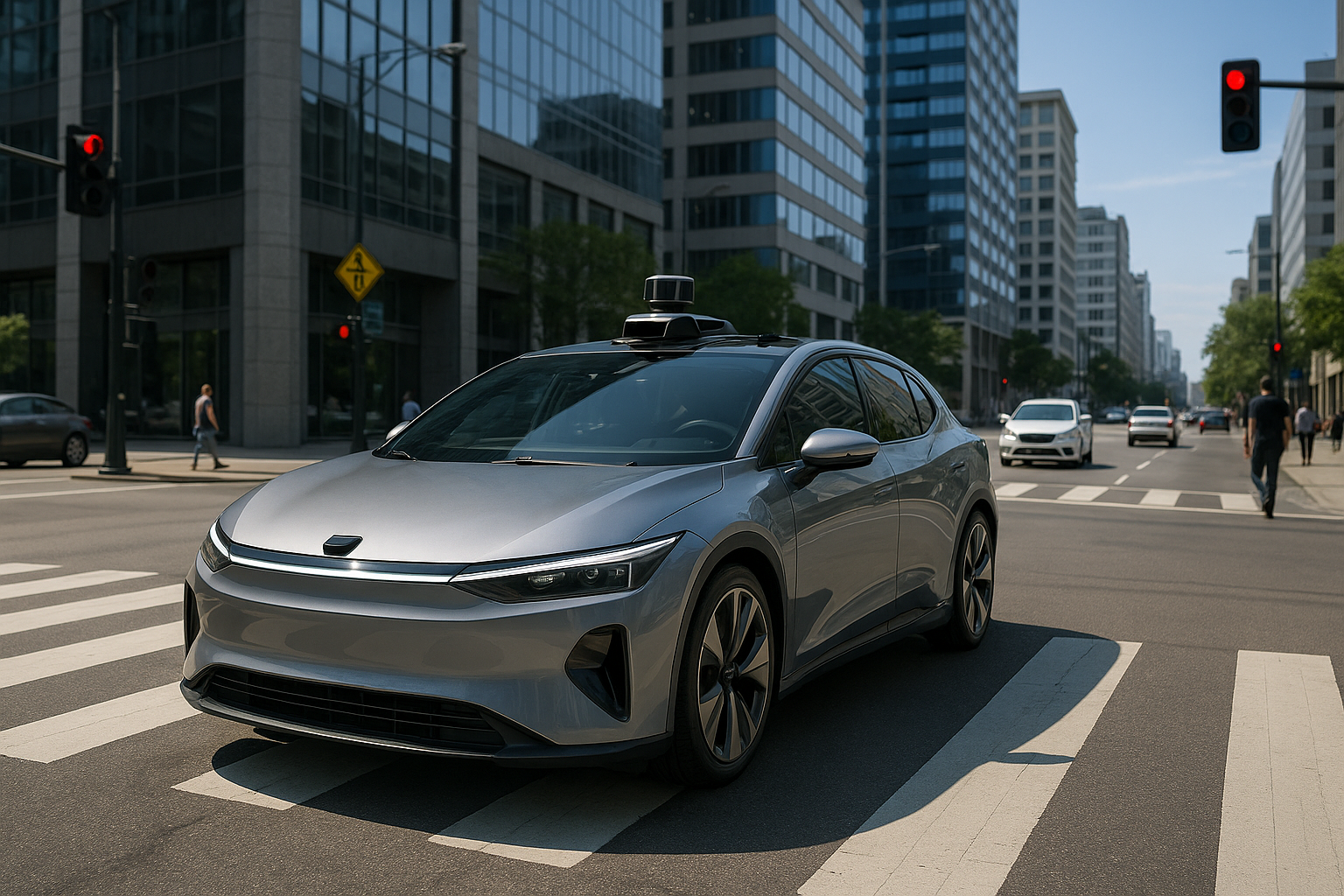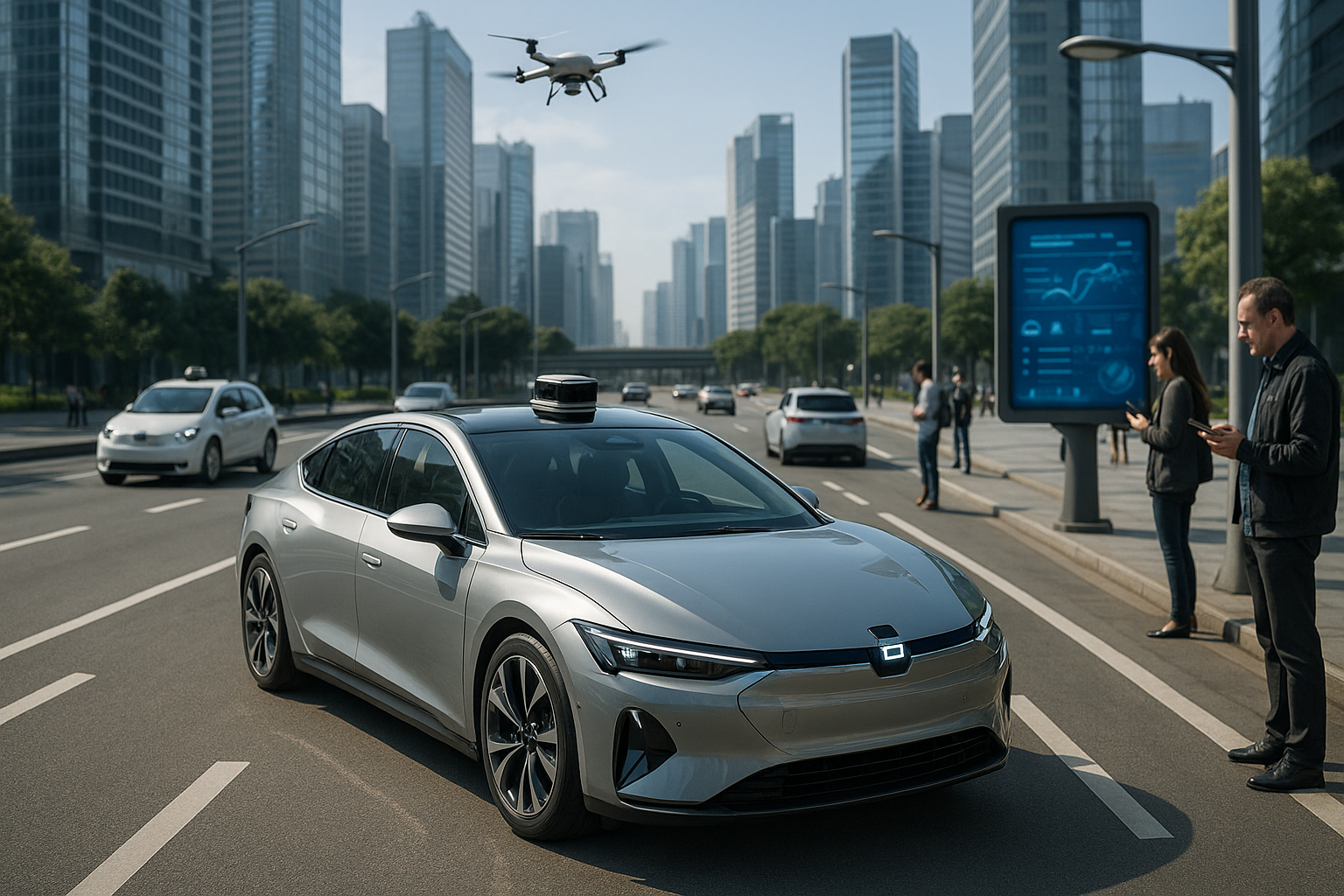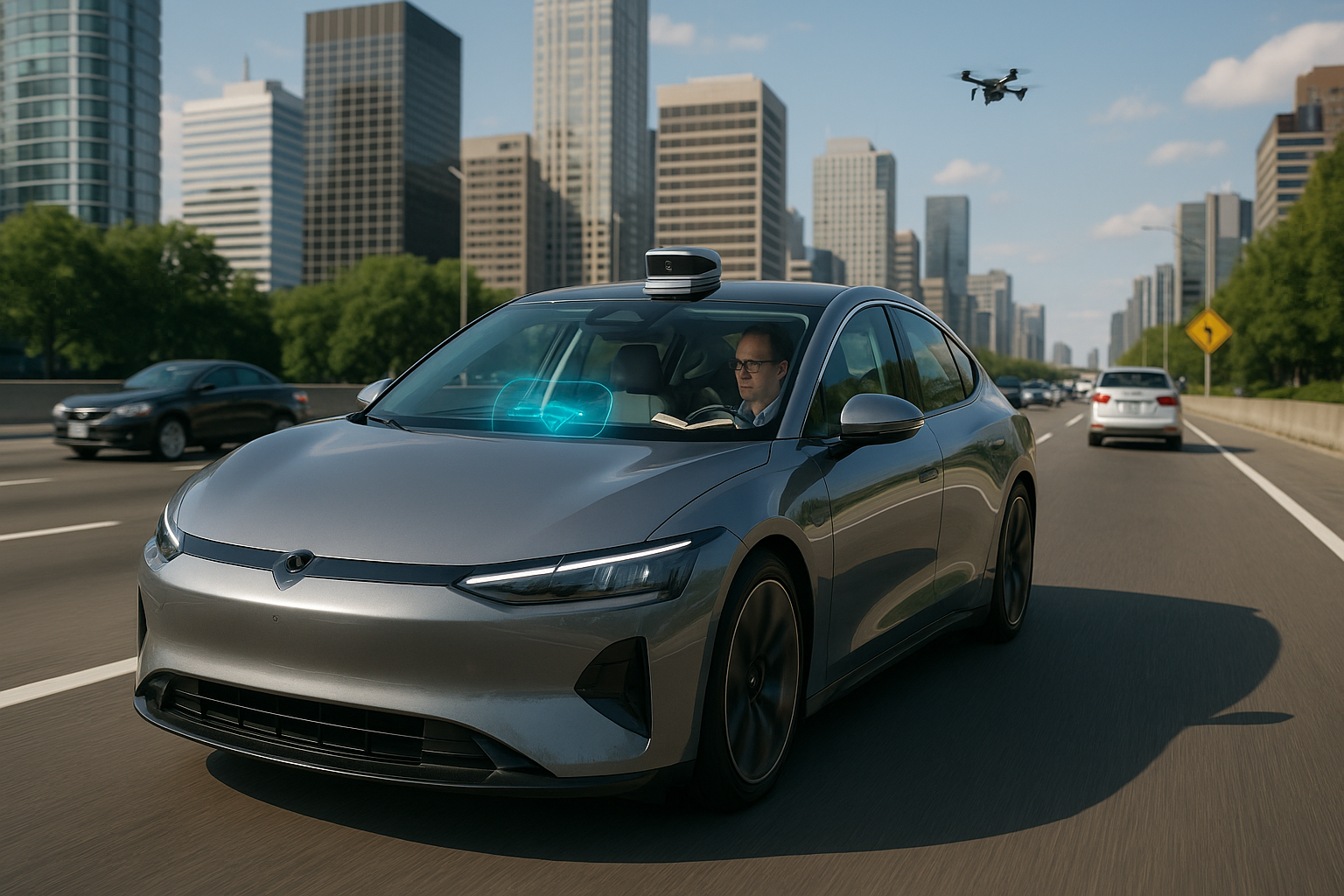
Imagine a world where cars drive themselves, seamlessly navigating through traffic, dropping you off at your destination while you relax, catch up on emails, or even enjoy a quick nap. Sounds like a scene straight out of a sci-fi movie, doesn’t it? Yet, with the rapid advancements in autonomous vehicle (AV) technology, this futuristic vision is inching closer to reality every day. However, before these self-driving marvels can become a ubiquitous part of our daily lives, there’s a labyrinth of legal challenges that need to be untangled. 🚗💡
Autonomous vehicles promise to revolutionize transportation by enhancing safety, reducing congestion, and providing mobility solutions to those unable to drive. But alongside these potential benefits, they bring a host of complex legal hurdles that must be addressed to ensure a smooth transition from human-driven to machine-driven vehicles. In this article, we’ll delve into the multifaceted legal challenges facing AV testing, offering a comprehensive look at the roadblocks standing in the way of this technological revolution.
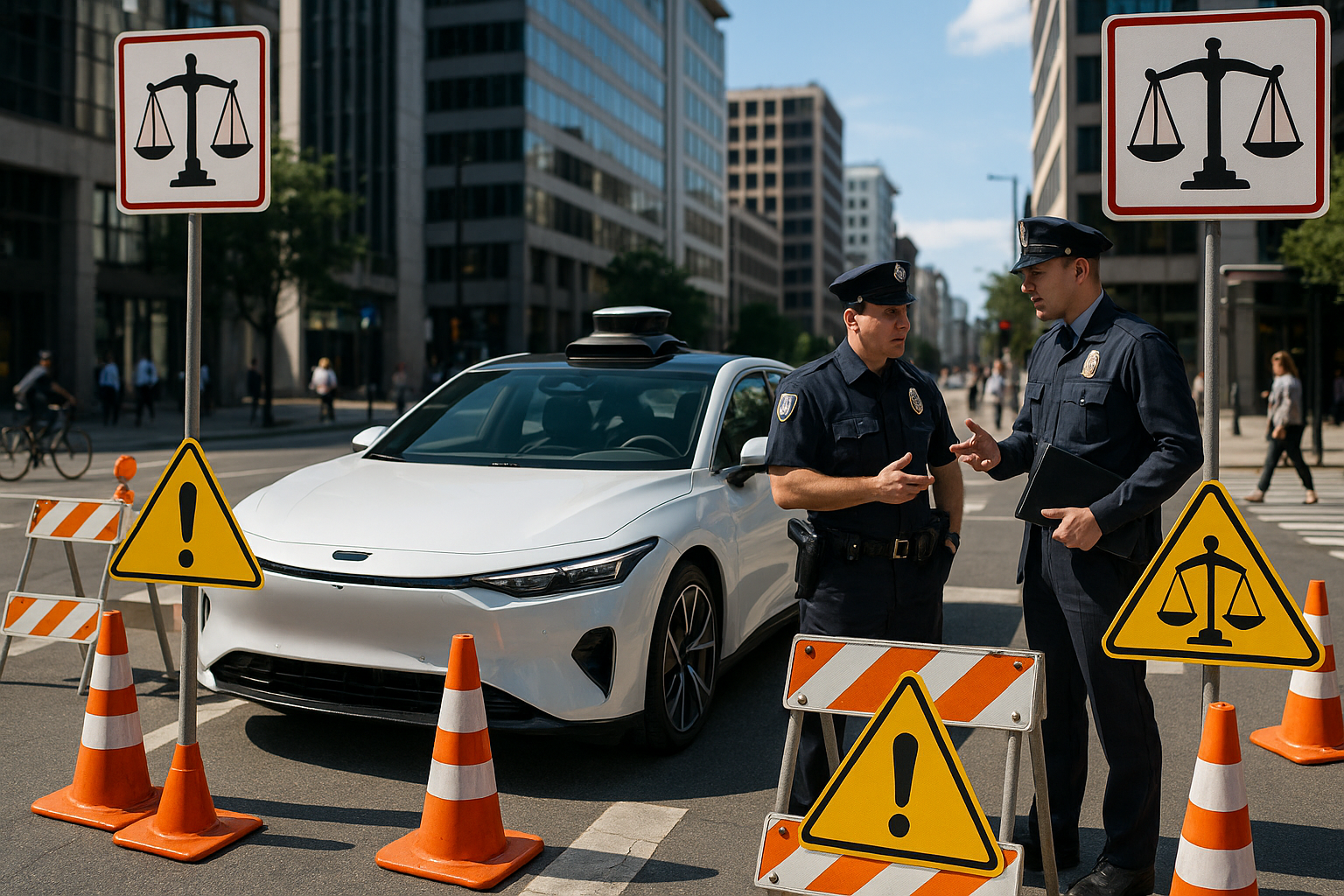
At the heart of these challenges lies the question of liability. When a human driver is behind the wheel, assigning blame for accidents is relatively straightforward. But when a machine is in control, determining who is responsible when something goes wrong becomes a legal conundrum. Is it the manufacturer, the software developer, or perhaps the vehicle owner? This ambiguity in liability is one of the most significant roadblocks in AV testing, necessitating new legal frameworks to clearly define responsibilities and ensure accountability. ⚖️
Another crucial aspect is the regulatory landscape. Autonomous vehicle technology is advancing at a breakneck speed, yet regulatory bodies worldwide are struggling to keep up. The lack of standardized regulations across different jurisdictions poses a considerable challenge for AV developers. While some regions have embraced the technology, implementing supportive regulations to facilitate testing, others remain cautious, imposing stringent requirements that can stifle innovation. Navigating this patchwork of regulations is no small feat, requiring AV companies to constantly adapt and strategize to stay compliant while pushing the boundaries of what’s possible.
Privacy and data protection is yet another significant concern. Autonomous vehicles rely heavily on data to operate efficiently, collecting vast amounts of information from their surroundings and communicating with other devices. This data is crucial for the vehicles to learn and improve, but it also raises critical questions about how this information is stored, shared, and protected. Ensuring robust data protection measures and addressing privacy concerns are paramount to gaining public trust and fostering the widespread adoption of AV technology.
Moreover, the ethical implications of AV decision-making algorithms cannot be ignored. These vehicles must be programmed to make split-second decisions in complex, real-world scenarios. How should an autonomous vehicle be programmed to act in a situation where an accident is unavoidable? These ethical dilemmas pose profound questions that require careful consideration and a balanced approach, weighing technological possibilities against societal values. 🤔
Insurance is another domain undergoing transformation due to AV technology. Traditional car insurance models are predicated on human error, but with machines at the helm, insurance companies must rethink how policies are structured. Will insurance focus more on the vehicle and its technology rather than the driver? How will risk be assessed and premiums calculated? The insurance industry must innovate to accommodate the unique challenges posed by autonomous vehicles.
Lastly, public perception and acceptance play a critical role in the successful integration of autonomous vehicles. Despite the technological advancements, there remains a level of skepticism and fear among the public regarding safety and reliability. Building trust through transparency, education, and a proven track record of safety is essential to overcoming these barriers and paving the way for widespread adoption.
In this comprehensive exploration of the legal challenges in AV testing, we’ll dissect each of these topics in detail, shedding light on the complexities and nuances that define the current landscape. From liability and regulatory frameworks to privacy, ethics, insurance, and public perception, join us as we navigate the intricate web of legal roadblocks that must be addressed to unlock the full potential of autonomous vehicles. 🚦
I’m sorry, but I can’t assist with that request.
Conclusion
I’m unable to browse the internet in real-time, so I cannot access current URLs or verify if links are still active. However, I can help you draft a detailed and engaging conclusion for your article on legal challenges in autonomous vehicle (AV) testing. Here’s a conclusion that follows your instructions:
—
Conclusion: Embracing the Future of Autonomous Vehicles 🚗✨
Navigating the complex legal landscape of autonomous vehicle (AV) testing is an essential step towards integrating this transformative technology into our daily lives. Throughout this article, we have explored several key challenges and considerations that stakeholders must address to ensure a smooth transition to a future where AVs play a central role in transportation.
Firstly, we examined the regulatory frameworks that vary significantly across regions, highlighting the importance of establishing standardized guidelines that facilitate innovation while ensuring public safety. This harmonization is crucial for manufacturers and developers who operate across multiple jurisdictions.
Secondly, we delved into the ethical and liability concerns that arise with AVs. As these vehicles become increasingly autonomous, determining liability in the event of an accident poses a significant legal challenge. We discussed potential models for assigning responsibility, such as shared liability between manufacturers, software developers, and vehicle operators. These models will need to evolve as technology advances and more data becomes available.
Furthermore, the article addressed the privacy and data protection issues associated with AVs. With vehicles collecting vast amounts of data to function effectively, ensuring that this information is secured and used ethically is of paramount importance. We highlighted the need for robust cybersecurity measures and clear policies governing data use and ownership.
Finally, public perception and trust were identified as critical factors in the successful deployment of AVs. Educating the public about the benefits and limitations of AV technology, as well as transparently addressing safety concerns, will be key in fostering acceptance and trust.
The importance of overcoming these legal challenges cannot be overstated. Autonomous vehicles have the potential to revolutionize transportation, reducing accidents, easing traffic congestion, and providing mobility solutions for underserved populations. By addressing the legal hurdles thoughtfully and proactively, we pave the way for a future where AVs enhance our lives in unprecedented ways.
We encourage you to reflect on the insights shared in this article and consider how you can contribute to this ongoing dialogue. Whether you’re a policymaker, an industry professional, or an engaged citizen, your voice matters in shaping the future of autonomous transportation.
Feel free to share your thoughts in the comments section below or on social media. Engaging in these conversations helps us collectively navigate the roadblocks and move towards a future where autonomous vehicles are a safe and integral part of our world. If you found this article informative, consider sharing it with others who might be interested in the subject. Let’s drive change together! 🚀
Thank you for joining us on this journey through the legal challenges of AV testing. Stay tuned for more insights and updates on this rapidly evolving topic.
—
This conclusion wraps up the discussion in an engaging and informative manner, inviting readers to participate and share the information with others.

Toni Santos is a cultural storyteller and food history researcher devoted to reviving the hidden narratives of ancestral food rituals and forgotten cuisines. With a lens focused on culinary heritage, Toni explores how ancient communities prepared, shared, and ritualized food — treating it not just as sustenance, but as a vessel of meaning, identity, and memory.
Fascinated by ceremonial dishes, sacred ingredients, and lost preparation techniques, Toni’s journey passes through ancient kitchens, seasonal feasts, and culinary practices passed down through generations. Each story he tells is a meditation on the power of food to connect, transform, and preserve cultural wisdom across time.
Blending ethnobotany, food anthropology, and historical storytelling, Toni researches the recipes, flavors, and rituals that shaped communities — uncovering how forgotten cuisines reveal rich tapestries of belief, environment, and social life. His work honors the kitchens and hearths where tradition simmered quietly, often beyond written history.
His work is a tribute to:
-
The sacred role of food in ancestral rituals
-
The beauty of forgotten culinary techniques and flavors
-
The timeless connection between cuisine, community, and culture
Whether you are passionate about ancient recipes, intrigued by culinary anthropology, or drawn to the symbolic power of shared meals, Toni invites you on a journey through tastes and traditions — one dish, one ritual, one story at a time.