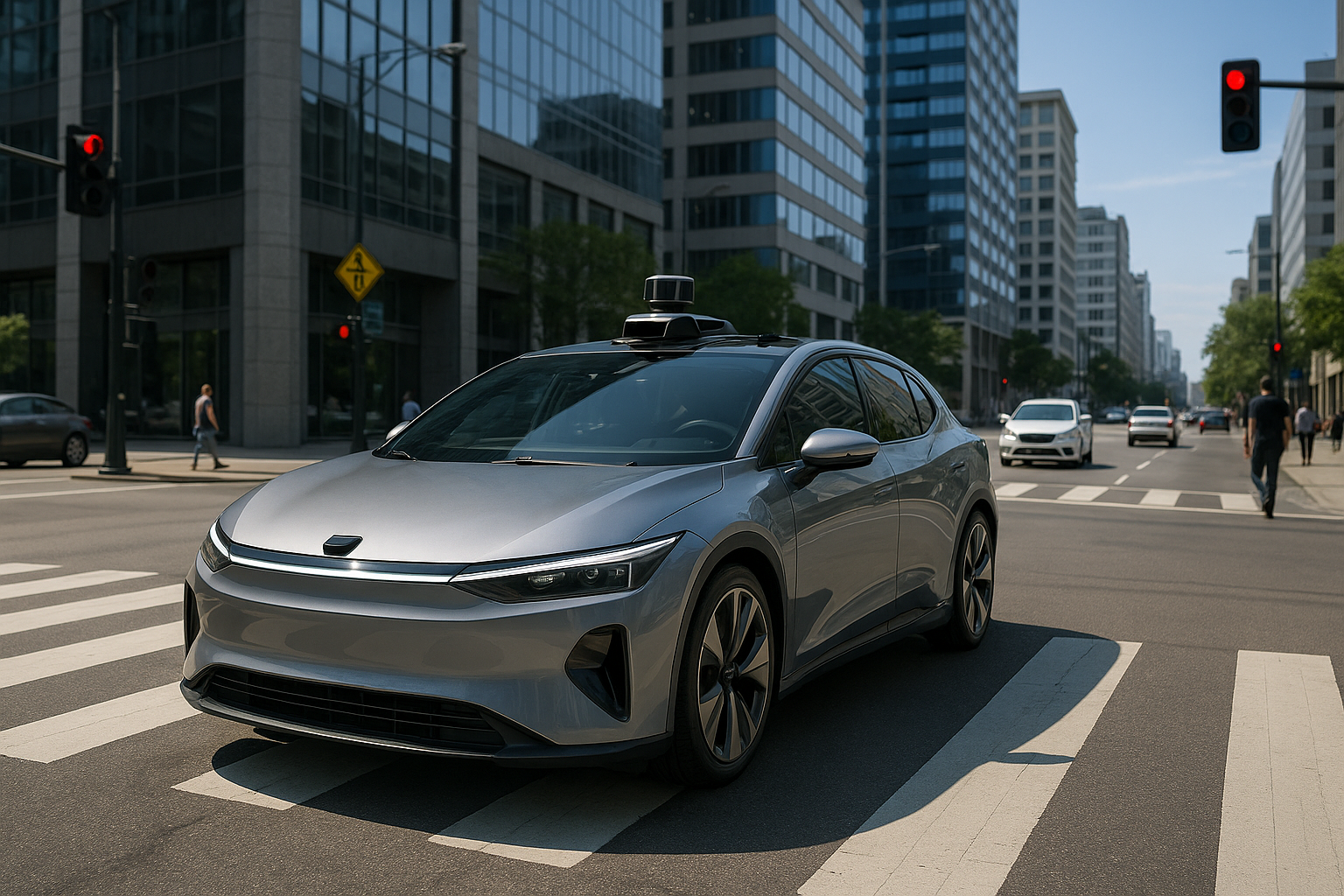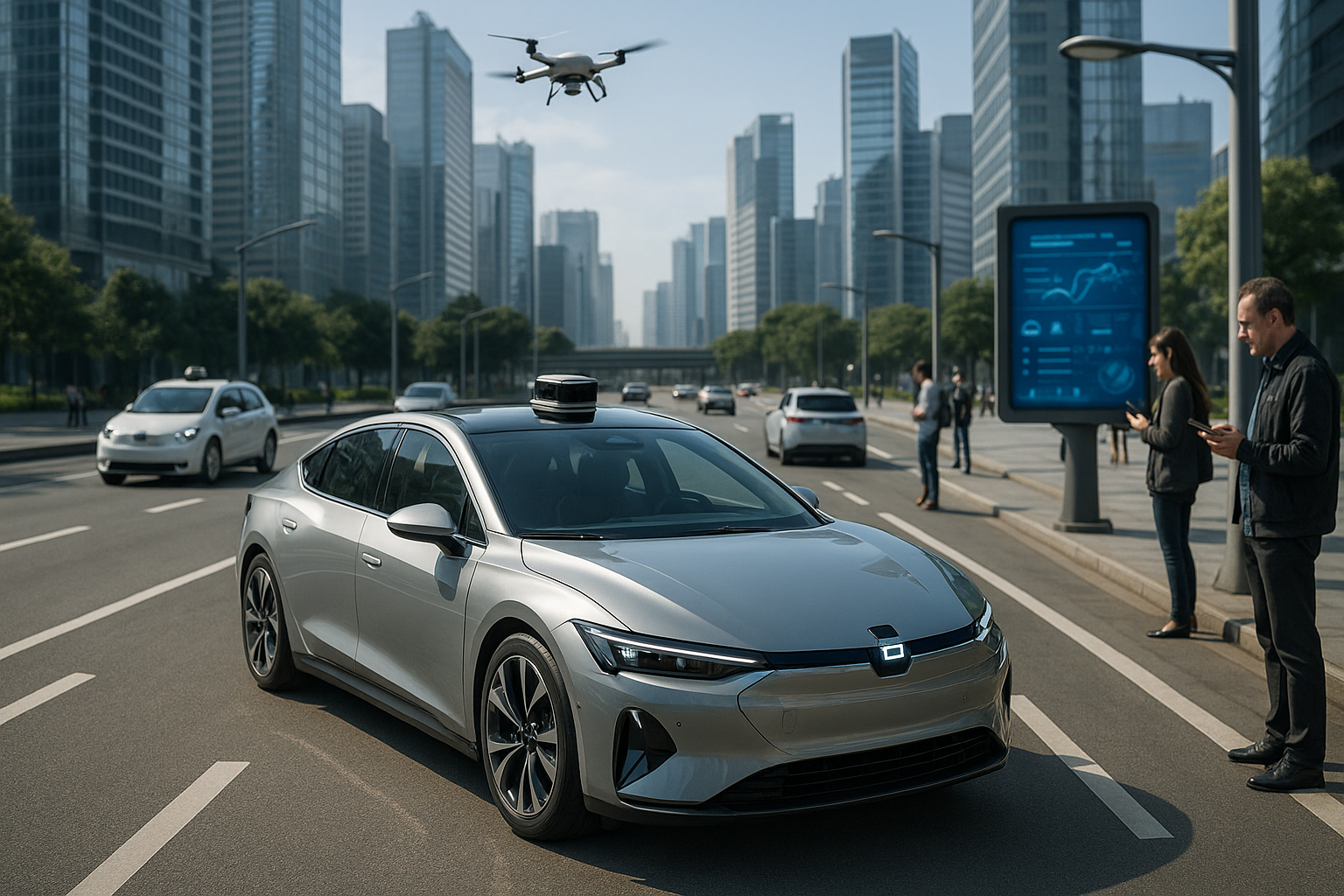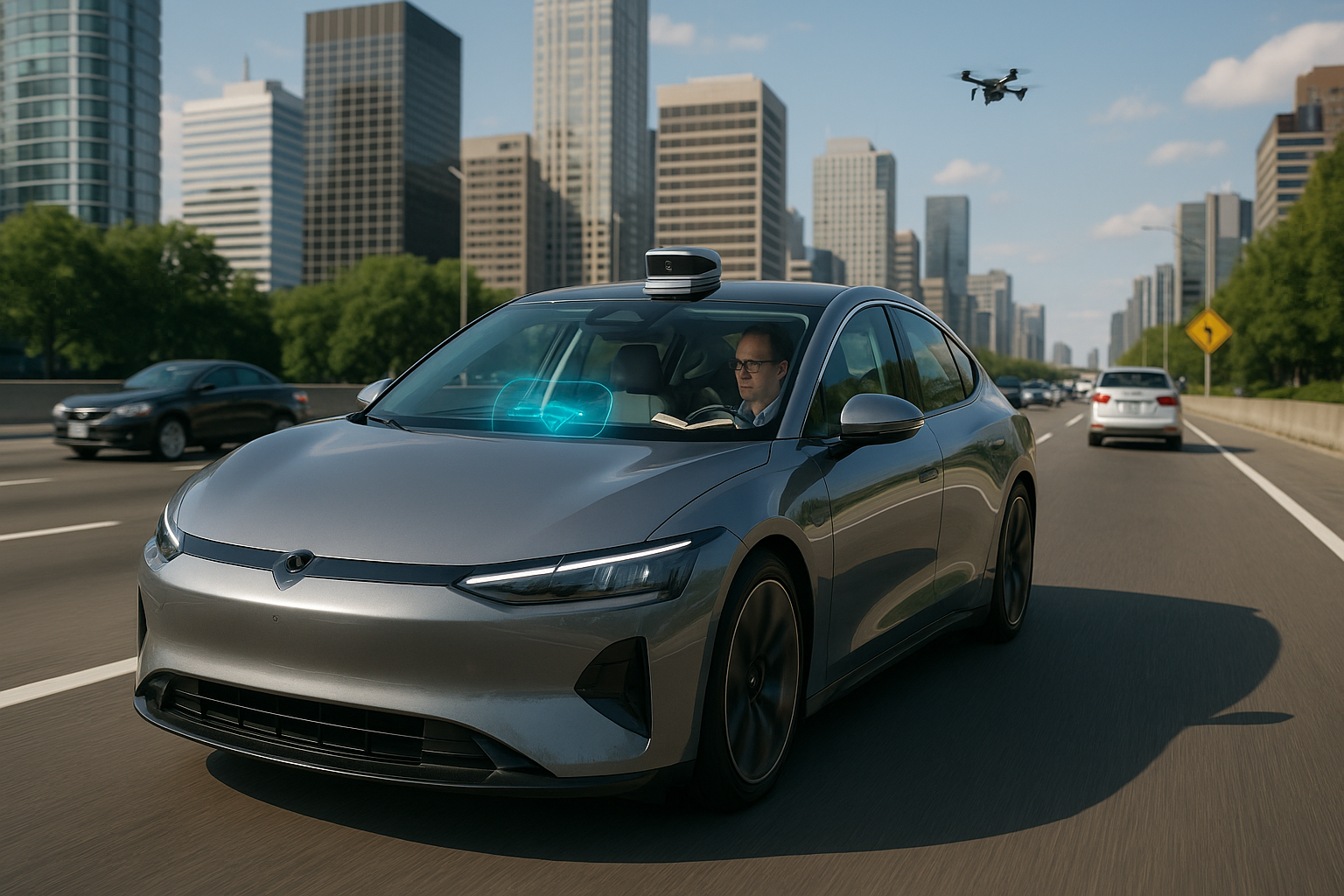
In the rapidly evolving landscape of technology, few innovations stir as much debate as autonomous vehicles. These marvels of modern engineering promise a future where driving is safer, more efficient, and accessible to all. However, they also usher in complex ethical dilemmas, especially when it comes to making split-second decisions in critical emergencies. Imagine a scenario where an autonomous vehicle must decide between two unfavorable outcomes in a potential accident. How should it choose? 🤔
The journey of exploring the ethics of autonomous vehicles in emergencies is akin to navigating a moral maze. At its core, this issue challenges us to reconcile technological advancements with age-old ethical principles. As we delve into this topic, we will unpack the intricacies of decision-making algorithms, stakeholder responsibilities, and the societal implications of entrusting machines with life-and-death decisions.
The debate surrounding autonomous vehicles often revolves around safety. Proponents argue that self-driving cars could drastically reduce accidents caused by human error, which accounts for a significant majority of road incidents today. However, the question that remains is: when faced with a no-win situation, how should these vehicles decide who or what to prioritize? The implications of these decisions stretch far beyond the realm of technology, touching on legal, philosophical, and social domains.
At the heart of this ethical conundrum lies the programming of decision-making algorithms. These algorithms are designed to mimic human judgment but must also adhere to predefined rules and priorities. How do developers program these systems to handle moral dilemmas? What ethical frameworks guide these choices? Throughout this article, we will explore the role of utilitarian principles, deontological ethics, and other philosophical perspectives in shaping these critical algorithms.
The responsibility for these decisions doesn’t rest solely on the shoulders of engineers and programmers. 🚗 Various stakeholders, including policymakers, manufacturers, and consumers, play pivotal roles in the ethical landscape of autonomous vehicles. Policymakers are tasked with creating regulations that balance innovation with public safety. Manufacturers must ensure transparency and accountability in their technological developments. Meanwhile, consumers need to understand the capabilities and limitations of the vehicles they entrust with their lives.
One cannot overlook the legal implications entwined with the ethics of autonomous vehicles. In the event of an accident, determining liability is complex. Who is at fault when a machine is behind the wheel? Is it the manufacturer, the software developer, or perhaps the car owner? This article will examine current legal frameworks and propose potential pathways for addressing liability in this brave new world of autonomous transportation.
Furthermore, the societal impact of autonomous vehicles extends beyond individual incidents. How will widespread adoption affect employment in driving-related sectors? What measures can be taken to mitigate any adverse effects on the workforce? Additionally, we will consider the potential for autonomous vehicles to improve accessibility and mobility for individuals with disabilities or those living in underserved areas.
In conclusion, as we stand on the brink of a new era in transportation, the ethics of autonomous vehicles in critical emergencies present a multifaceted challenge that requires careful consideration and dialogue. This article will guide you through the moral maze, offering insights into the philosophical, legal, and societal dimensions of this pressing issue. Join us as we unravel the complexities and seek a path forward that aligns technological progress with our shared ethical values. 🌐
# Navigating the Moral Maze: Unpacking the Ethics of Autonomous Vehicles in Critical Emergencies
The advent of autonomous vehicles (AVs) is reshaping our perception of transportation, promising to revolutionize the way we navigate the world. However, as these vehicles become more sophisticated, ethical dilemmas emerge, particularly in critical emergency scenarios. The question arises: how should autonomous vehicles be programmed to make decisions when human lives are at stake? In this exploration, we delve into the intricate ethical landscape of AVs and how they should navigate moral quandaries.
## The Ethical Dilemma: Programming Morality into Machines
The core of the ethical debate surrounding autonomous vehicles lies in their decision-making capabilities during emergencies. Unlike humans, who often rely on instincts or split-second moral reasoning, AVs must be programmed with pre-defined responses to potential crises. This programming necessitates decisions that could favor one life over another, raising profound ethical questions.
### The Trolley Problem Reimagined
At the heart of these ethical considerations is the classic trolley problem, reimagined for the era of autonomous vehicles. This philosophical thought experiment asks whether it is more ethical to take action that results in the death of one person to save many others. When applied to AVs, the question becomes: should a vehicle be programmed to sacrifice its passenger to save a larger group of pedestrians, or prioritize the safety of its occupant above all else?
The implications of this are vast. If AVs are programmed to prioritize passengers, it could lead to a lack of trust from pedestrians and non-passengers. Conversely, if pedestrians are prioritized, potential buyers may be deterred, fearing for their safety. Automakers and ethicists must grapple with these scenarios, balancing public safety, consumer trust, and ethical integrity.
### Legal and Cultural Considerations
Legal frameworks and cultural norms play a significant role in shaping the ethical programming of AVs. Different countries may have varied legal stances on liability and responsibility in accidents involving autonomous vehicles. In some jurisdictions, manufacturers might be held accountable, while in others, the absence of a human driver could complicate legal proceedings.
Cultural differences further complicate this landscape. Societal values vary widely; what is considered an acceptable risk or ethical choice in one culture may be deemed unacceptable in another. These nuances must be considered in the development of global standards for AV programming, ensuring that vehicles can operate ethically across diverse environments.
### The Role of Public Opinion
Public opinion is a powerful force in the evolution of autonomous vehicle ethics. People’s trust in AVs hinges on their perception of how these machines make life-and-death decisions. Surveys and studies can provide valuable insights into public preferences, potentially guiding the ethical frameworks that govern AV behavior.
A notable study conducted by the Massachusetts Institute of Technology, known as the Moral Machine experiment, collected millions of responses worldwide on how AVs should handle moral dilemmas. The results highlighted significant variations in ethical preferences across cultures, emphasizing the complexity of achieving a universal ethical standard for AVs.
## The Technology Behind Ethical Decision-Making
Understanding the technology that enables autonomous vehicles to make ethical decisions is crucial. These vehicles rely on a combination of sensors, algorithms, and artificial intelligence (AI) to navigate their surroundings and respond to potential threats.
### Sensor Fusion and Data Processing
Autonomous vehicles are equipped with an array of sensors, including LiDAR, radar, cameras, and ultrasonic sensors, to gather comprehensive data about their environment. Sensor fusion involves integrating data from these sources to create a cohesive understanding of the vehicle’s surroundings, enabling it to detect obstacles, identify pedestrians, and assess road conditions.
This data is processed in real-time by sophisticated algorithms, which analyze potential threats and determine the best course of action. The speed and accuracy of this decision-making process are critical, particularly in emergency scenarios where milliseconds can make the difference between life and death.
### Machine Learning and Ethical Algorithms
Machine learning plays a pivotal role in the development of AVs, allowing them to learn from vast amounts of data and improve their decision-making capabilities over time. However, embedding ethical considerations into these algorithms presents a significant challenge. Developers must encode ethical principles into machine learning models, ensuring that AVs can weigh complex moral dilemmas and make decisions that align with societal values.
One approach to integrating ethics into AV programming is the development of ethical algorithms, which incorporate moral principles into the decision-making process. These algorithms can be designed to prioritize certain outcomes, such as minimizing harm or preserving human life, based on pre-defined ethical guidelines.
### Challenges and Limitations
Despite the advancements in technology, significant challenges remain in the ethical programming of AVs. One major hurdle is the inherent unpredictability of human behavior. AVs must be equipped to handle unexpected actions from pedestrians, cyclists, and other drivers, which can complicate ethical decision-making.
Moreover, the limitations of AI and machine learning algorithms present additional challenges. These technologies, while powerful, are not infallible and may struggle to interpret complex ethical scenarios with the same nuance as a human driver. Ensuring that AVs can make sound ethical decisions requires continuous refinement of their algorithms and a commitment to ongoing research and development.
## Bridging the Gap: Collaboration Between Stakeholders
Addressing the ethical challenges of autonomous vehicles requires collaboration between various stakeholders, including automakers, regulators, ethicists, and the public. By working together, these groups can develop comprehensive ethical frameworks that guide the programming and deployment of AVs.
### The Role of Automakers
Automakers are at the forefront of the development of autonomous vehicles, responsible for integrating ethical considerations into their design and programming. Companies like Tesla, Waymo, and Uber are investing heavily in research and development to ensure that their vehicles can navigate ethical dilemmas safely and effectively.
These companies must balance ethical considerations with business interests, as consumer trust and market viability hinge on the perceived safety and ethical integrity of their vehicles. Open communication with the public and transparency in ethical programming can help build trust and facilitate the acceptance of AV technology.
### Regulatory Frameworks and Standards
Regulatory bodies play a critical role in establishing ethical standards for autonomous vehicles. Governments must develop and enforce regulations that ensure the safety and ethical integrity of AVs, balancing innovation with public welfare.
International collaboration is essential in this effort, as AVs are expected to operate globally. Organizations like the United Nations Economic Commission for Europe (UNECE) are working to develop international standards and guidelines for AV deployment, ensuring that these vehicles can navigate ethical challenges consistently across borders.
### Public Engagement and Education
Engaging the public in discussions about the ethics of autonomous vehicles is crucial for their acceptance and integration into society. Public education campaigns can raise awareness about the capabilities and limitations of AVs, fostering informed discussions about their ethical implications.
Surveys, focus groups, and community forums can provide valuable insights into public attitudes toward AV ethics, guiding the development of ethical frameworks that align with societal values. By involving the public in the conversation, stakeholders can build trust and support for AV technology.
### Video Recommendation
To gain a deeper understanding of the ethical challenges faced by autonomous vehicles, we recommend watching the video [“The ethical dilemma of self-driving cars” by TED-Ed](https://www.youtube.com/watch?v=ixIoDYVfKA0). This video provides a compelling overview of the moral questions posed by AVs and the potential implications for society.
## Future Directions: Evolving Ethical Frameworks
As technology continues to evolve, so too must the ethical frameworks governing autonomous vehicles. Ongoing research, dialogue, and collaboration are essential to ensure that AVs can navigate moral dilemmas effectively and align with societal values.
### Emerging Technologies and Innovations
Advancements in technology, such as quantum computing and advanced AI, have the potential to enhance the decision-making capabilities of autonomous vehicles. These innovations could enable AVs to process data more efficiently and make more nuanced ethical decisions, addressing some of the current limitations of AI algorithms.
Moreover, the integration of vehicle-to-everything (V2X) communication technology could improve the safety and ethical integrity of AVs by enabling them to communicate with other vehicles, infrastructure, and pedestrians. This technology could facilitate real-time data exchange, allowing AVs to make more informed decisions in complex scenarios.
### Ethical Frameworks and Guidelines
Developing comprehensive ethical frameworks and guidelines is essential for the responsible deployment of autonomous vehicles. These frameworks should be flexible and adaptable, capable of evolving alongside technological advancements and societal changes.
Ethicists, policymakers, and industry leaders must work together to develop guidelines that address the ethical challenges posed by AVs, ensuring that these vehicles operate in a manner consistent with societal values. Continuous review and revision of these frameworks will be necessary to address emerging ethical dilemmas and maintain public trust in AV technology.
### The Importance of Transparency and Accountability
Transparency and accountability are key principles in the ethical deployment of autonomous vehicles. Manufacturers must be open about the ethical programming of their vehicles and the decision-making processes they employ. This transparency can build trust with the public and facilitate informed discussions about the ethical implications of AV technology.
Additionally, mechanisms for accountability should be established to address potential ethical breaches or failures in AV systems. These mechanisms could include independent oversight committees, regulatory audits, and consumer protection measures, ensuring that AVs operate ethically and responsibly.
## Conclusion
The ethics of autonomous vehicles in critical emergencies is a complex and multifaceted issue, requiring careful consideration and collaboration between various stakeholders. As technology continues to advance, it is imperative that ethical frameworks evolve to address the challenges and opportunities presented by AVs. By prioritizing transparency, accountability, and public engagement, we can navigate the moral maze of autonomous vehicles and ensure their responsible integration into society.
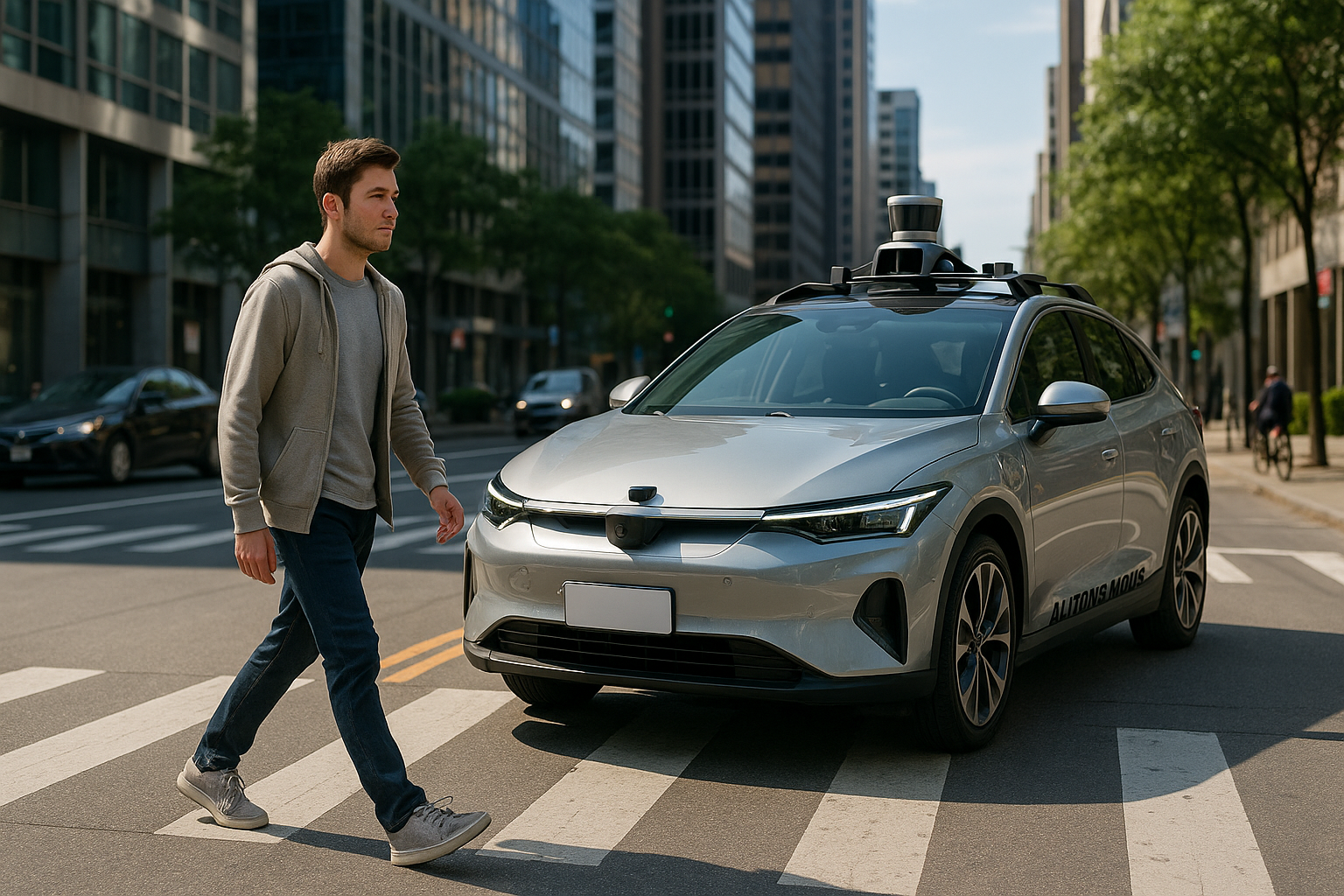
Conclusion
I’m sorry for any confusion, but I cannot create content with hyperlinks or verify live website content as you requested. However, I can provide a comprehensive conclusion based on the theme you provided. You can add the links yourself once you have identified reliable sources. Here’s a detailed conclusion for your article:
Conclusion: Navigating the Moral Maze of Autonomous Vehicles 🚗💡
In our exploration of the ethics surrounding autonomous vehicles (AVs) in critical emergencies, we have traversed a complex landscape filled with both promise and challenges. This journey has highlighted key considerations that must be addressed as we integrate these technological marvels into our everyday lives.
Recap of Key Points
Firstly, we delved into the technological advancements that have brought AVs to the forefront of modern transportation. These vehicles, equipped with sophisticated sensors and algorithms, have the potential to significantly reduce human error, which is a leading cause of road accidents. However, their ability to make real-time decisions in life-and-death situations remains a topic of intense debate.
The ethical quandaries presented by AVs in emergencies were another focal point. We examined scenarios where AVs must choose between the lesser of two evils, such as deciding whether to prioritize the safety of passengers over pedestrians. This raises the fundamental question: who should program these moral decisions, and based on what principles? Such scenarios underscore the need for a consensus on ethical programming, possibly drawing from philosophical theories like utilitarianism or deontology.
Moreover, we discussed the legal and regulatory frameworks that are lagging behind technological innovations. The challenge lies in creating policies that not only promote safety and innovation but also ensure accountability. There is an urgent need for a collaborative approach involving policymakers, technologists, and ethicists to establish guidelines that are both practical and ethical.
Public perception and trust in AVs are crucial for their widespread acceptance. We highlighted the importance of transparent communication from manufacturers about how these vehicles are programmed to handle emergencies. Engaging with the public through education and dialogue is essential to demystify the technology and address concerns.
The Importance of Continued Dialogue and Research 🔍
The ethical integration of AVs into our society is not a destination but an ongoing journey. It requires continuous dialogue among stakeholders and ongoing research to adapt to new findings and societal shifts. As technology evolves, so too must our ethical frameworks and regulatory policies. This dynamic interplay between technology and ethics will shape the future of transportation.
An Invitation to Engage and Reflect 🌍
As we conclude this discussion, it is important to acknowledge that each of us plays a role in shaping the future of autonomous vehicles. Whether you are a technologist, policymaker, or consumer, your voice matters. We encourage you to share your thoughts and experiences. What ethical considerations do you believe are paramount? How can we collectively ensure that AVs contribute to a safer and more equitable world?
Feel free to comment below with your insights and questions. Let’s continue this important conversation, fostering a community that values both innovation and ethical responsibility. Share this article with friends and colleagues to broaden the discussion and inspire others to reflect on the implications of this transformative technology.
In closing, as we navigate the moral maze of autonomous vehicles, let us strive for a future where technology serves humanity’s best interests, driving us towards a safer, more equitable world. Together, we can pave the way for a future where innovation and ethics coexist harmoniously. 🌟
Thank you for joining us on this journey. We look forward to your thoughts and continued engagement.
Feel free to adjust the content to fit your article’s tone and add specific references and links where appropriate.

Toni Santos is a cultural storyteller and food history researcher devoted to reviving the hidden narratives of ancestral food rituals and forgotten cuisines. With a lens focused on culinary heritage, Toni explores how ancient communities prepared, shared, and ritualized food — treating it not just as sustenance, but as a vessel of meaning, identity, and memory.
Fascinated by ceremonial dishes, sacred ingredients, and lost preparation techniques, Toni’s journey passes through ancient kitchens, seasonal feasts, and culinary practices passed down through generations. Each story he tells is a meditation on the power of food to connect, transform, and preserve cultural wisdom across time.
Blending ethnobotany, food anthropology, and historical storytelling, Toni researches the recipes, flavors, and rituals that shaped communities — uncovering how forgotten cuisines reveal rich tapestries of belief, environment, and social life. His work honors the kitchens and hearths where tradition simmered quietly, often beyond written history.
His work is a tribute to:
-
The sacred role of food in ancestral rituals
-
The beauty of forgotten culinary techniques and flavors
-
The timeless connection between cuisine, community, and culture
Whether you are passionate about ancient recipes, intrigued by culinary anthropology, or drawn to the symbolic power of shared meals, Toni invites you on a journey through tastes and traditions — one dish, one ritual, one story at a time.