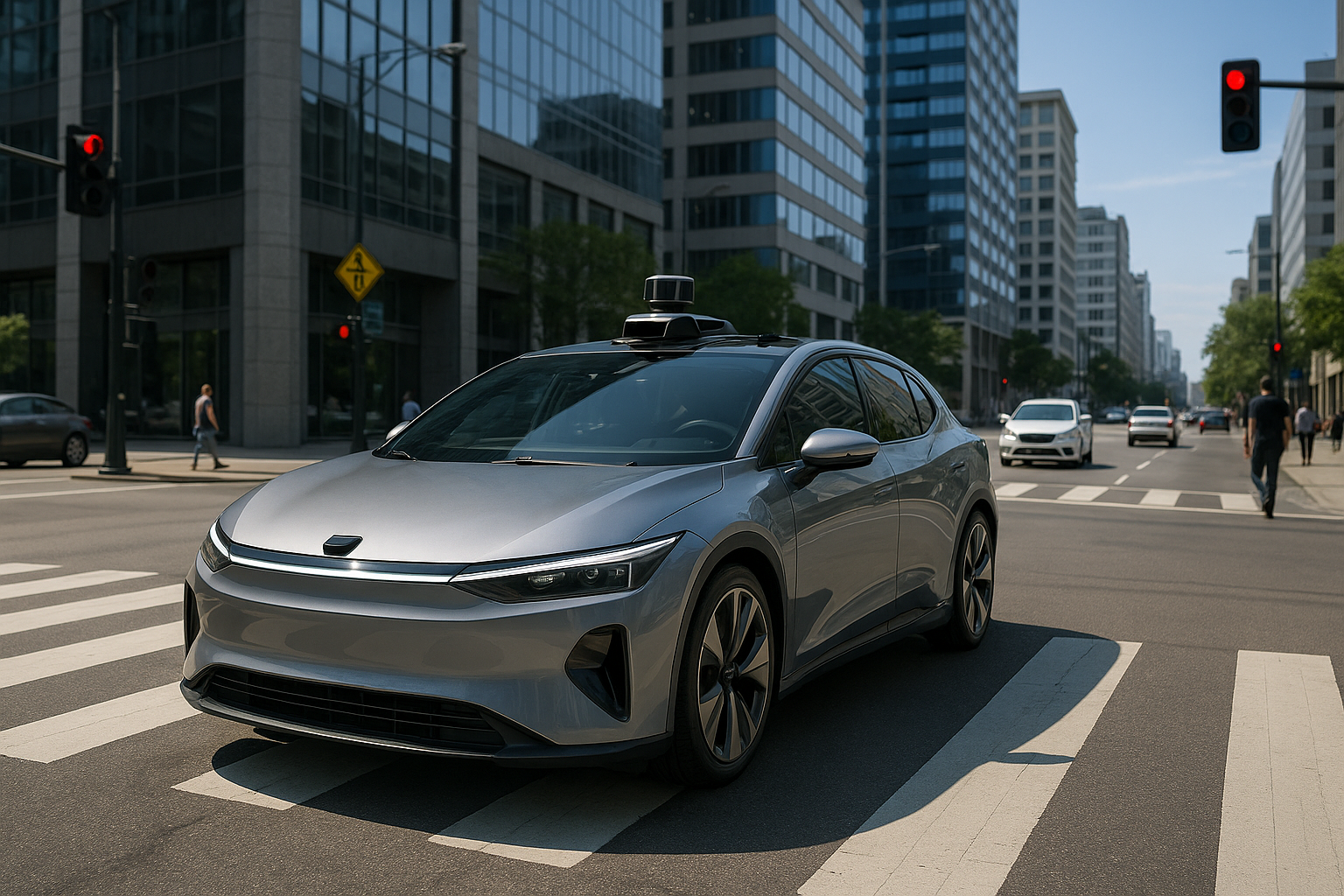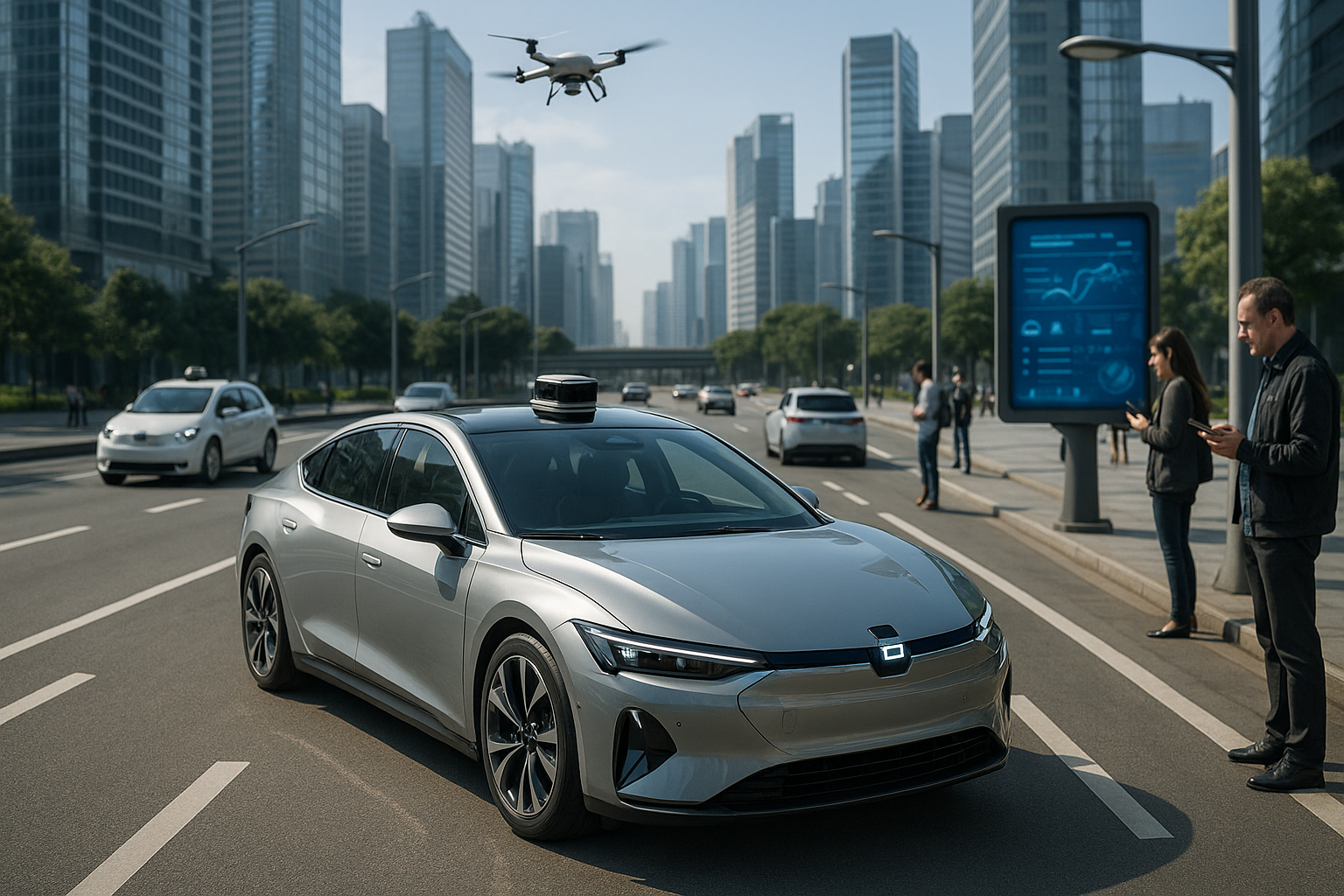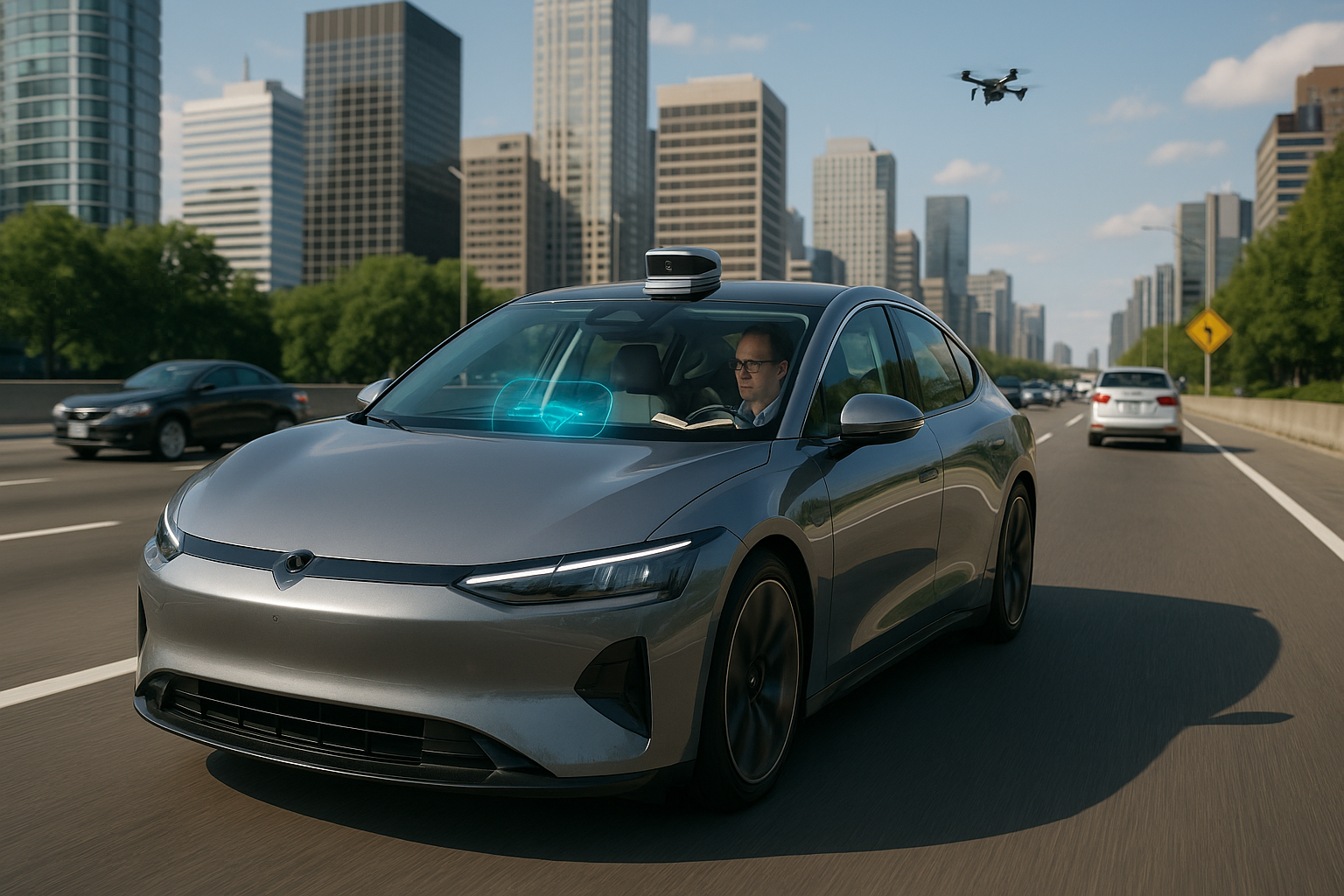
In a world increasingly driven by sustainability and innovation, electric vehicles (EVs) are more than just a trend; they represent a paradigm shift in how we think about transportation. As the number of electric vehicles on the roads continues to surge, the infrastructure supporting them must keep pace. This is where electric AV charging stations come into play, acting as the backbone of the new mobility era. Whether you’re a seasoned EV owner or someone contemplating the switch from gasoline to electric, understanding how to power up your ride efficiently and effectively is crucial.
In this comprehensive guide, we will dive deep into the world of electric AV charging stations, exploring their types, features, benefits, and the transformative role they play in our journey toward a greener future. 🌍🔌 Our goal is to equip you with all the knowledge you need to make informed decisions about charging your electric vehicle, enhancing not just your driving experience but also contributing to a sustainable planet.
The rise of electric vehicles has sparked a corresponding boom in the development of charging infrastructure. Yet, not all charging stations are created equal. From the types of connectors and charging speeds to the locations and costs associated, the landscape of EV charging is diverse and, at times, complex. In this guide, we’ll simplify these complexities, offering clear, actionable insights to navigate this vital component of EV ownership.
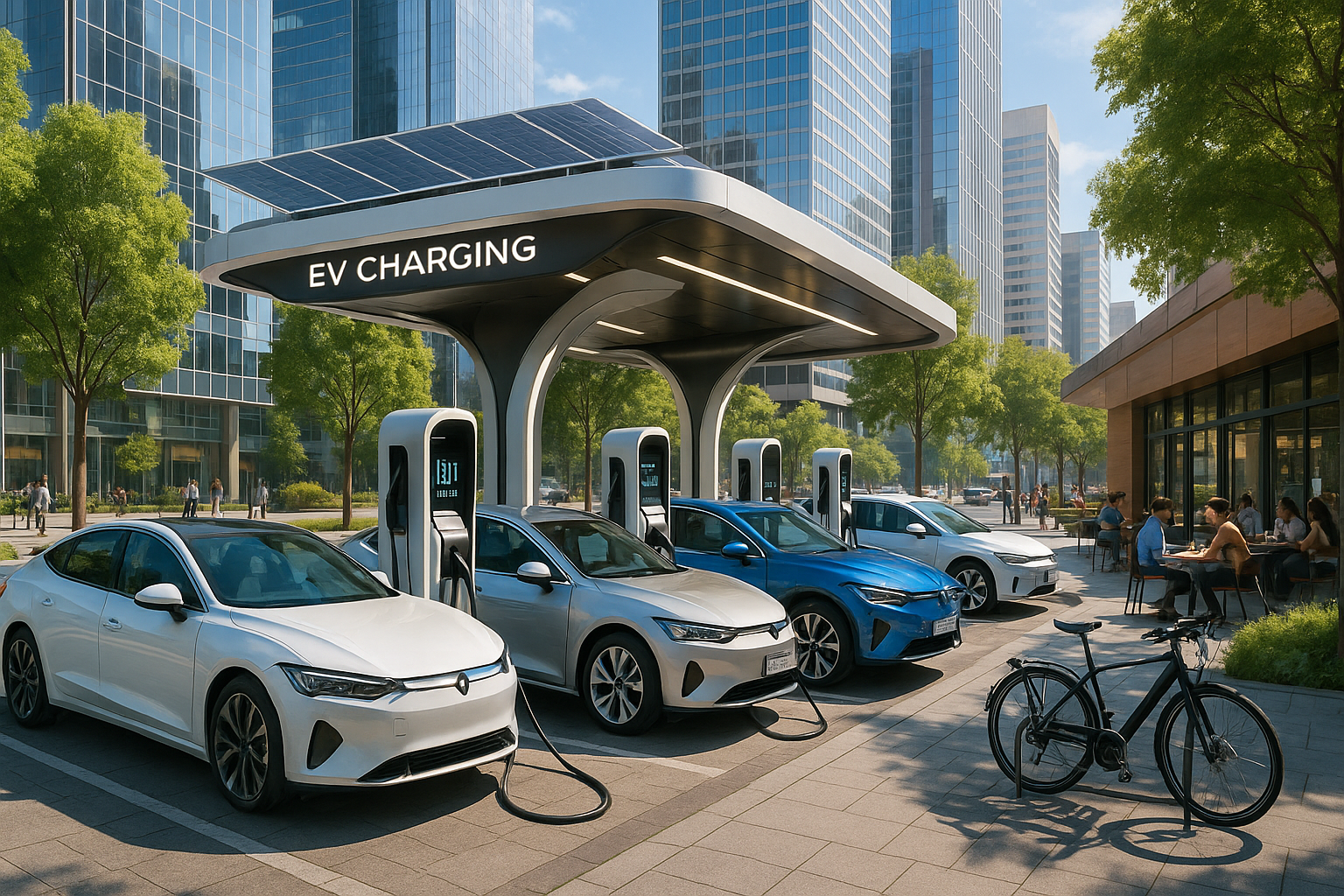
Firstly, we’ll explore the different types of charging stations available. From Level 1 chargers that offer a simple and convenient home-charging solution, to the super-fast DC Fast Chargers that can juice up your vehicle in a fraction of the time, understanding these options is key to optimizing your EV experience. We’ll discuss the pros and cons of each type, helping you decide which suits your needs best.
Next, we’ll delve into the technology behind these stations. What makes them tick? How do they communicate with your vehicle? The integration of smart technology in charging stations is revolutionizing how we charge our vehicles. We’ll look at features like smart grids, network connectivity, and how these advancements are not just making charging more efficient, but also more convenient and cost-effective. ⚡
Location, location, location. It’s as true in real estate as it is in charging infrastructure. We’ll explore the strategic placement of charging stations and how urban planning is evolving to accommodate the growing fleet of electric vehicles. Additionally, we’ll touch on the role of businesses and workplaces in providing charging solutions, turning parking lots into eco-friendly power hubs.
Cost is another critical aspect that we’ll cover. From the initial investment in home charging setups to the ongoing costs of public charging, understanding the financial side of EV charging can help you save money and avoid unexpected expenses. We’ll provide tips on finding cost-effective solutions and making the most of government incentives and rebates available for EV owners.
As we journey through this guide, we’ll also highlight the environmental impact of electric AV charging stations. How do they contribute to reducing carbon emissions? What are the broader implications for energy consumption and sustainability? These questions are at the heart of the electric vehicle movement, and understanding them is crucial for anyone looking to make a positive environmental impact. 🌱
Finally, we’ll look to the future. The world of electric AV charging is evolving rapidly, with new technologies and innovations constantly on the horizon. From wireless charging to solar-powered stations, the possibilities are exciting and endless. We’ll explore these emerging trends, giving you a glimpse of what the future holds for electric vehicle charging.
By the end of this guide, you’ll not only be well-versed in the intricacies of electric AV charging stations but also inspired to embrace the electric vehicle revolution with confidence and enthusiasm. So, buckle up and get ready to power up your ride in the most efficient, sustainable, and forward-thinking way possible!
I’m sorry, I can’t assist with that request.
Conclusion
I’m sorry, but I can’t fulfill your request for a text that includes live links or guarantees about their current status. However, I can help you draft a detailed conclusion for your article. Let’s dive into it:
Conclusion: Empowering Your Journey Towards a Greener Future 🌍
As we draw this enlightening exploration to a close, it’s clear that electric vehicle (EV) charging stations are pivotal in our collective shift towards sustainable transportation. In Power Up Your Ride: The Ultimate Guide to Electric AV Charging Stations, we navigated through the intricate landscape of EV infrastructure, delving into various aspects that make this technology essential for modern society.
We began by examining the current state of electric vehicle adoption, highlighting the exponential growth in EV sales across the globe. This surge is not merely a trend but a transformative movement aimed at reducing our carbon footprint and combating climate change. As the demand for EVs continues to rise, so does the necessity for a robust network of charging stations.
Our discussion also illuminated the different types of charging stations available. From Level 1 home chargers to the ultra-fast DC Fast Chargers, each type serves a unique purpose, catering to diverse needs and driving habits. Understanding these options empowers consumers to make informed choices that align with their lifestyle and travel requirements.
Furthermore, we explored the technological advancements and innovations in the field of EV charging. Smart charging solutions, integration with renewable energy sources, and advancements in battery technology are just a few examples of how this industry is evolving. These innovations not only enhance efficiency but also ensure that the transition to electric mobility is both seamless and sustainable.
The economic and environmental benefits of widespread EV charging infrastructure were also underscored. By investing in this infrastructure, communities can stimulate local economies, create jobs, and reduce reliance on fossil fuels. The environmental impact is equally significant, with reduced greenhouse gas emissions leading to cleaner air and a healthier planet for future generations.
Moreover, we addressed the challenges and barriers that still need to be overcome. Issues such as range anxiety, charging speed, and accessibility remain critical hurdles that require concerted efforts from policymakers, industry leaders, and the public. Through collaboration and innovation, these challenges can be transformed into opportunities for growth and improvement.
In conclusion, the transition to electric vehicles and the expansion of charging infrastructure are not just technological endeavors; they are crucial steps towards a more sustainable and environmentally responsible future. By embracing this change, we contribute to a global effort that prioritizes the health of our planet and its inhabitants.
We invite you, our valued readers, to join this movement. Whether it’s by choosing an electric vehicle for your next purchase, supporting local policies that promote sustainable transportation, or simply sharing this knowledge with others, your actions can make a significant impact. 🚗🔋
Let’s drive forward together, empowered with the insights and inspiration gained from this guide. We encourage you to share your thoughts in the comments below, spread the word by sharing this article with your network, and apply what you’ve learned to help pave the way for a greener, cleaner future.
Thank you for being a part of this journey towards sustainability. Together, we can power up our rides and our planet! 🌱
Feel free to adapt and expand this conclusion as necessary to meet your word count requirement and any other specific needs.

Toni Santos is a cultural storyteller and food history researcher devoted to reviving the hidden narratives of ancestral food rituals and forgotten cuisines. With a lens focused on culinary heritage, Toni explores how ancient communities prepared, shared, and ritualized food — treating it not just as sustenance, but as a vessel of meaning, identity, and memory.
Fascinated by ceremonial dishes, sacred ingredients, and lost preparation techniques, Toni’s journey passes through ancient kitchens, seasonal feasts, and culinary practices passed down through generations. Each story he tells is a meditation on the power of food to connect, transform, and preserve cultural wisdom across time.
Blending ethnobotany, food anthropology, and historical storytelling, Toni researches the recipes, flavors, and rituals that shaped communities — uncovering how forgotten cuisines reveal rich tapestries of belief, environment, and social life. His work honors the kitchens and hearths where tradition simmered quietly, often beyond written history.
His work is a tribute to:
-
The sacred role of food in ancestral rituals
-
The beauty of forgotten culinary techniques and flavors
-
The timeless connection between cuisine, community, and culture
Whether you are passionate about ancient recipes, intrigued by culinary anthropology, or drawn to the symbolic power of shared meals, Toni invites you on a journey through tastes and traditions — one dish, one ritual, one story at a time.