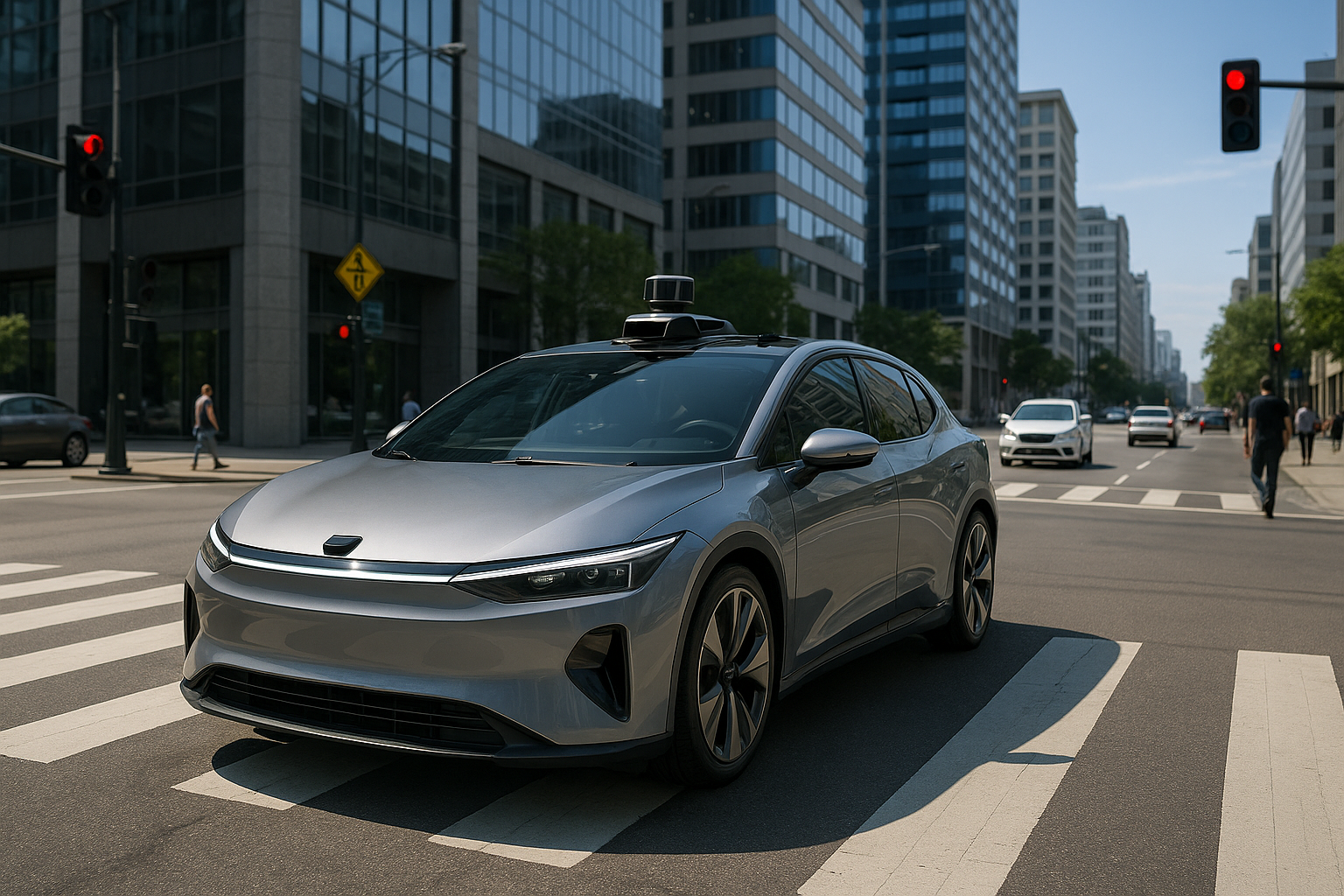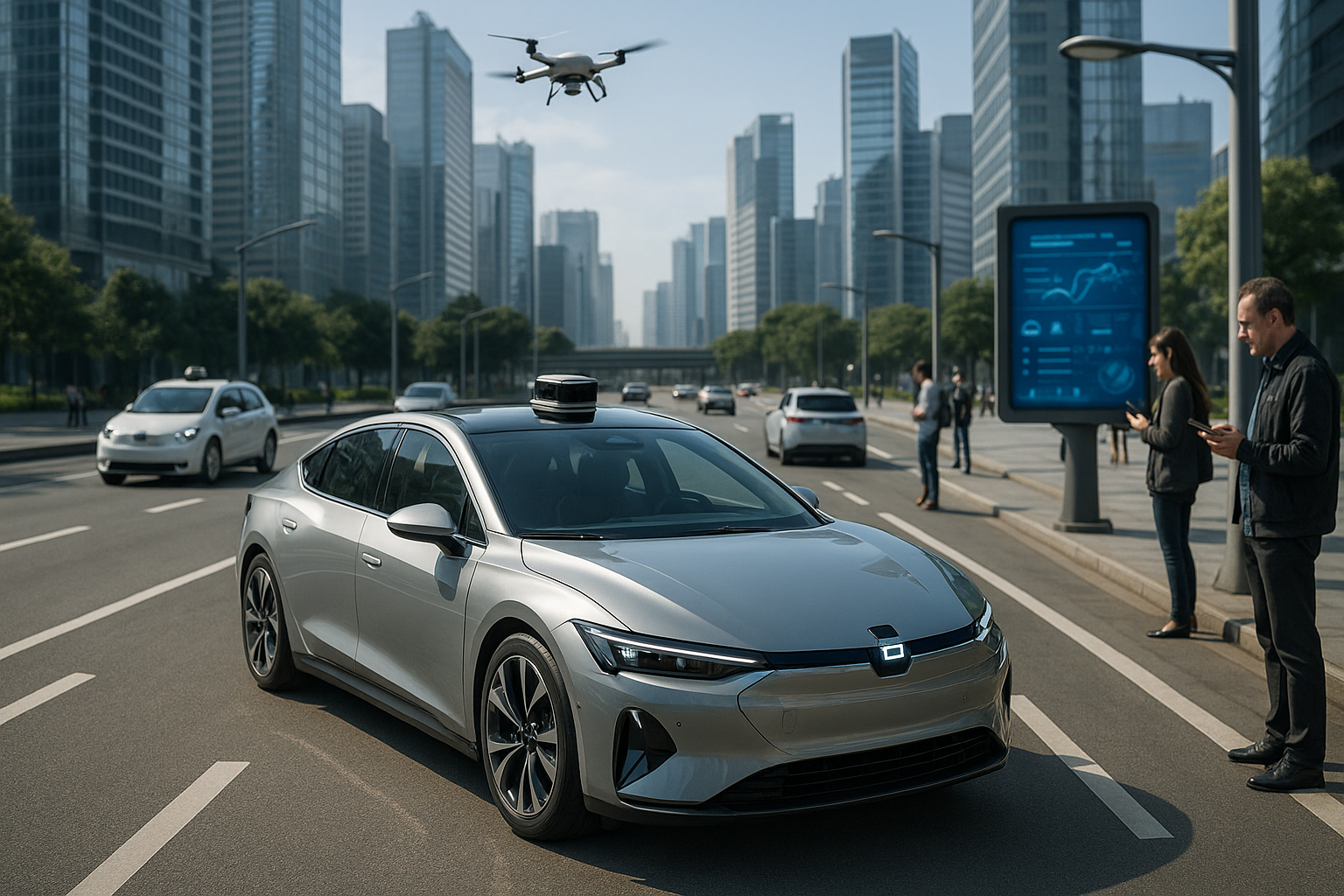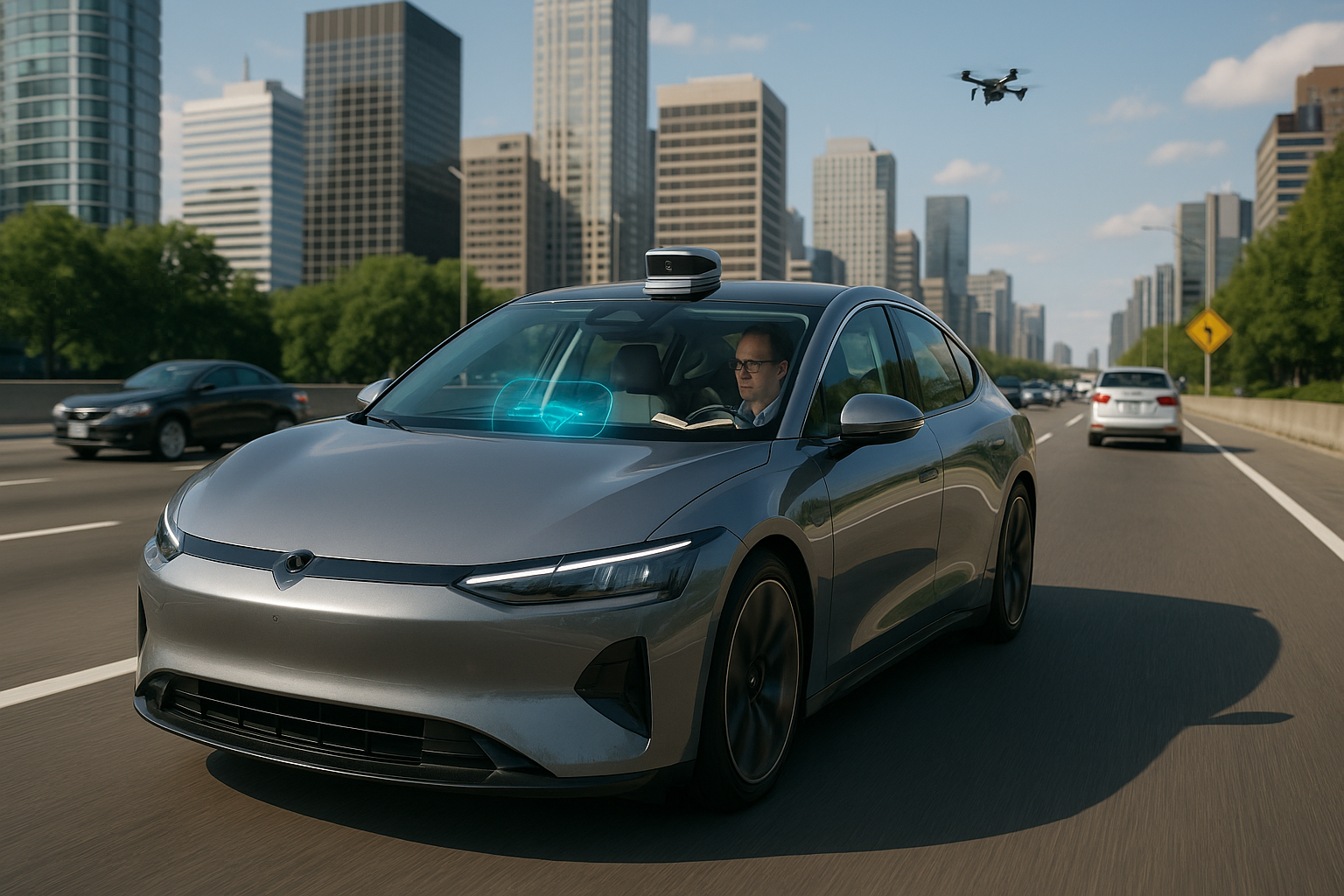
Imagine a world where traffic jams are a thing of the past, road trips are more relaxing, and our highways are not just pathways of concrete, but arteries of innovation. 🚗💡 As we stand on the brink of a transportation revolution, the dawn of self-driving cars integrated seamlessly with our highway systems promises to redefine our daily commutes, our cities, and our lives.
In this article, we will explore the fascinating journey of autonomous vehicles and their potential to transform transportation. We will delve into the key technologies that make these vehicles possible, discuss the challenges and opportunities of highway integration, and examine the broader impact on society. Along the way, we’ll encounter the pioneers driving this change, and glimpse the future of mobility.
Self-driving cars, once a concept relegated to science fiction, are now on the verge of becoming a reality. Thanks to rapid advancements in artificial intelligence, machine learning, and sensor technologies, these vehicles are becoming increasingly sophisticated. They are equipped to navigate complex environments, interpret traffic signals, and make split-second decisions, all without human intervention. This evolution is not just technological—it’s a paradigm shift in how we perceive and interact with the world around us.
But why focus on highways? Highways are the backbone of modern transportation, carrying millions of vehicles daily across vast distances. Integrating autonomous vehicles with these crucial infrastructures offers a unique opportunity to optimize traffic flow, enhance safety, and reduce congestion. With the right technology and policy frameworks in place, our highways could become dynamic ecosystems that communicate with self-driving cars to deliver smoother, faster, and greener travel experiences.
However, this ambitious vision comes with its own set of challenges. For one, the technology behind autonomous vehicles must be foolproof, ensuring safety and reliability in every conceivable scenario. This requires extensive testing and validation, as well as robust cybersecurity measures to protect against potential threats. Moreover, legal and regulatory hurdles must be navigated to create a supportive framework for deployment and operation.
Beyond the technical and regulatory challenges, there are significant societal implications to consider. The integration of self-driving cars into our highways will impact employment, urban planning, and environmental sustainability. How will this shift affect the job market for drivers? What changes will cities need to make to accommodate this new mode of transportation? And how can we ensure that these innovations contribute to a greener planet?
As we journey through these topics, we’ll also explore the human side of this technological revolution. How will our relationship with cars change when we’re no longer the ones driving? What new freedoms and possibilities will this unlock for individuals and communities? And how can we ensure that this transformation is inclusive, benefiting all segments of society?
The road ahead is both exciting and complex, filled with potential pitfalls and incredible possibilities. By the end of this article, you’ll have a comprehensive understanding of the future of self-driving cars and highway integration. You’ll be equipped with insights into the technological advancements, policy considerations, and societal impacts that will shape the future of transportation. So buckle up and join us as we navigate the twists and turns of this exciting journey into the future of mobility. 🚀
# Revolutionizing Transportation: The Future of Self-Driving Cars with Highway Integration
Self-driving cars have become one of the most captivating advancements in modern technology. The idea of vehicles that drive themselves without human intervention has fascinated the public and prompted significant investment and research. As this technology continues to evolve, integrating self-driving cars onto highways presents unique challenges and opportunities. This article delves deep into the future of self-driving cars, particularly focusing on their integration with highways, offering a comprehensive exploration of the subject.
## The Evolution of Self-Driving Technology 🚗
The journey towards self-driving cars has been both thrilling and complex. The concept dates back several decades, but it is only in recent years that technological advancements have made autonomous vehicles a tangible reality. This progress is driven by improvements in artificial intelligence, machine learning, and sensor technologies, which are crucial components in the development of self-driving systems.
One of the most significant milestones in this journey was the DARPA Grand Challenge in the early 2000s, which pushed the boundaries of what was thought possible for autonomous navigation. Since then, numerous companies, including tech giants like Google and traditional automotive manufacturers like Ford and Tesla, have invested heavily in autonomous vehicle research and development.
Despite these advancements, the integration of self-driving cars onto public highways presents unique challenges. Highways, with their high-speed traffic and complex infrastructure, require sophisticated systems capable of making rapid decisions. Additionally, issues such as regulatory compliance, public safety, and cybersecurity remain critical hurdles that need addressing.
## Highway Integration: Opportunities and Challenges
Integrating self-driving cars onto highways offers a plethora of opportunities, from reducing traffic congestion to decreasing the number of road accidents caused by human error. However, it also presents several challenges that need to be meticulously addressed.
Opportunities of Highway Integration
- Improved Traffic Flow: Self-driving cars have the potential to optimize traffic flow by maintaining consistent speeds and safe following distances, reducing bottlenecks, and preventing accidents caused by sudden braking.
- Enhanced Safety: Autonomous vehicles can significantly reduce human error, which is a leading cause of road accidents. Equipped with sensors and AI, these cars can react faster than humans to avoid collisions.
- Environmental Benefits: With improved traffic flow, self-driving cars can contribute to reduced emissions by minimizing stop-and-go traffic and optimizing fuel consumption.
Challenges of Highway Integration
- Regulatory Hurdles: Implementing self-driving cars on highways requires substantial regulatory changes and the establishment of new safety standards.
- Infrastructure Compatibility: Current highway infrastructure needs to adapt to accommodate autonomous vehicles, which includes updating signage, road markings, and communication systems.
- Public Perception and Trust: Gaining public trust in self-driving technology is crucial. Misunderstandings and fears about safety and reliability need to be addressed through education and demonstration.
## The Role of AI and Machine Learning in Autonomous Vehicles
Artificial Intelligence (AI) and Machine Learning (ML) are the backbone of self-driving technology. These advanced systems enable autonomous vehicles to perceive their environment, make decisions, and learn from experiences, mirroring human cognitive functions.
Perception and Environment Mapping
Self-driving cars utilize a combination of cameras, LIDAR, radar, and ultrasonic sensors to perceive their surroundings. These sensors gather data about road conditions, obstacles, and other vehicles, creating a comprehensive map of the vehicle’s environment. AI algorithms process this data in real-time, allowing the car to navigate safely.
Decision Making and Path Planning
Once the environment is mapped, AI systems use complex algorithms to make driving decisions. These systems analyze potential scenarios, calculate risks, and determine the safest and most efficient path forward. The integration of neural networks allows these vehicles to improve their decision-making capabilities over time by learning from past experiences.
Adapting to Real-World Scenarios
The true test of AI in autonomous vehicles is its ability to adapt to unpredictable real-world scenarios. This includes reacting to the sudden appearance of obstacles, changes in weather conditions, or unexpected human behavior on the road. The continuous improvement of AI and ML technologies is crucial for overcoming these challenges and ensuring the reliability of self-driving systems.
## Real-World Applications and Testing Grounds
Several cities and regions around the world are serving as testing grounds for self-driving cars, providing valuable insights into their real-world applications. These tests help in refining the technology, addressing unforeseen challenges, and gathering data to support the case for broader implementation.
Pilot Programs and Test Cities
Countries like the United States, Germany, and China are at the forefront of autonomous vehicle testing. Cities such as San Francisco, Phoenix, and Beijing have become hotspots for pilot programs, where companies like Waymo, Uber, and Baidu are conducting extensive tests. These programs offer critical feedback on vehicle performance, safety, and interaction with human-driven vehicles.
Collaborations and Partnerships
Collaborations between tech companies, automotive manufacturers, and government agencies are essential in advancing self-driving technology. Partnerships allow for resource sharing, expertise exchange, and the development of standardized protocols for autonomous vehicle operation.
Case Study: Waymo’s Journey
Waymo, a subsidiary of Alphabet Inc., has been a pioneer in the self-driving car industry. Its autonomous vehicles have clocked millions of miles on public roads, providing invaluable data for the improvement of self-driving systems. Waymo’s approach, which includes extensive simulation testing and real-world trials, highlights the importance of a comprehensive testing strategy.
## The Future Landscape of Highways with Self-Driving Cars
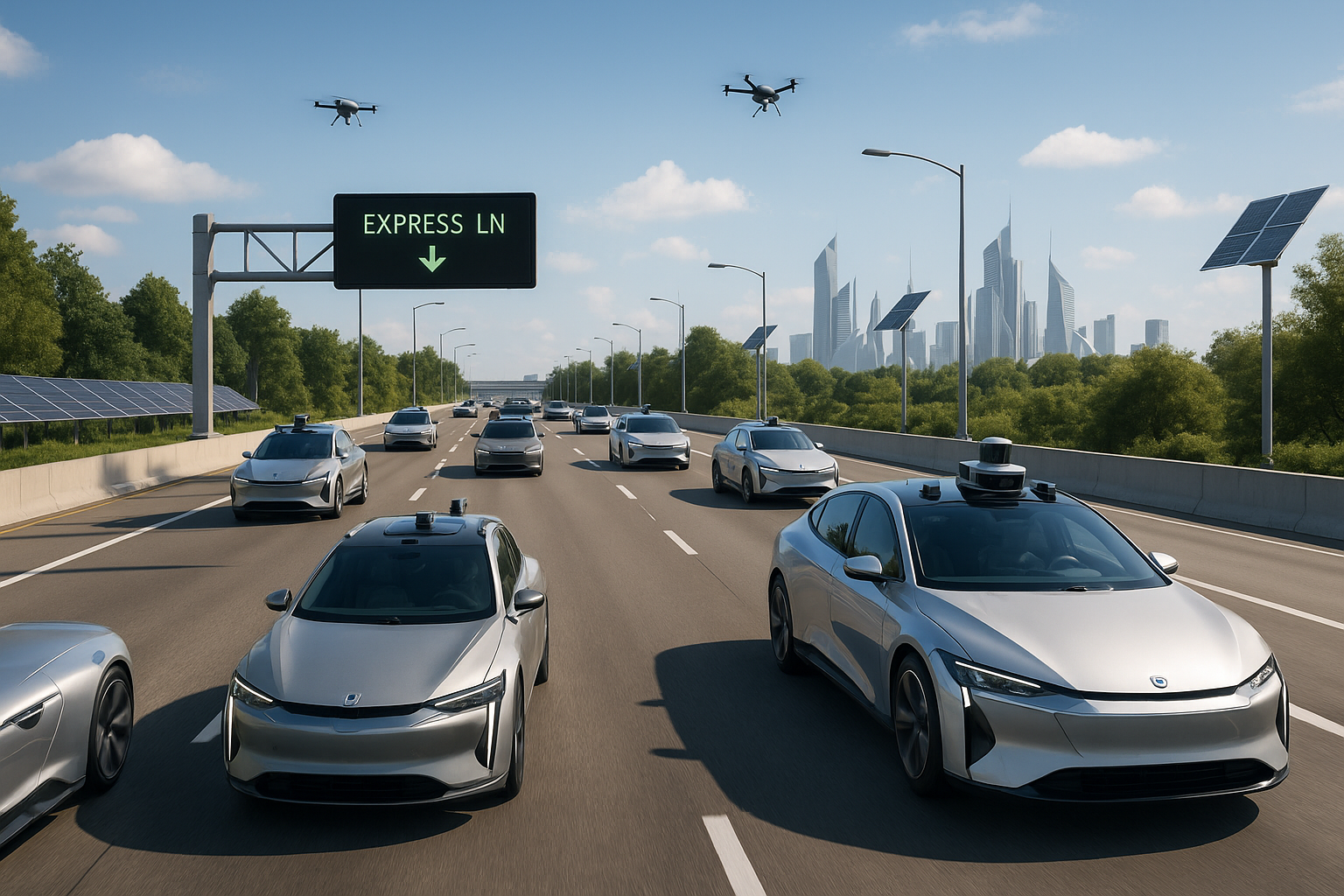
As self-driving technology matures, the landscape of highways is expected to transform dramatically. From dedicated lanes for autonomous vehicles to smart infrastructure that communicates with cars, the future holds numerous possibilities.
Dedicated Autonomous Lanes
One potential development is the creation of dedicated lanes for self-driving cars on highways. These lanes would be optimized for autonomous vehicle operation, with infrastructure designed to enhance communication between vehicles and the road. This could significantly improve traffic flow and safety.
Smart Highway Infrastructure
Smart highways equipped with sensors and communication systems could interact with self-driving cars, providing real-time data on traffic conditions, weather, and road hazards. This infrastructure would enable autonomous vehicles to make more informed decisions and improve overall efficiency.
Integration with Public Transportation
The integration of self-driving cars with public transportation systems presents opportunities for creating seamless, efficient transit networks. Autonomous vehicles could serve as first-mile/last-mile solutions, complementing traditional public transport and enhancing accessibility.
## Conclusion: A New Era of Transportation Awaits
The integration of self-driving cars onto highways marks a new era in transportation. While the journey is fraught with challenges, the potential benefits are immense. As technology continues to evolve, the vision of safer, more efficient highways with autonomous vehicles at the forefront is becoming increasingly attainable. The road ahead requires collaboration, innovation, and a commitment to addressing the challenges that lie in wait. The future of transportation is autonomous, and it promises to revolutionize how we travel.
The transformation of highways with the integration of self-driving cars presents a future where transportation is not only more efficient but also safer and more sustainable. As we stand on the brink of this new era, it is crucial to embrace the challenges and opportunities that lie ahead. By continuing to innovate and collaborate, the dream of autonomous highways can become a reality, heralding a new chapter in the history of transportation.
Conclusion
Certainly! Here’s a conclusion that fits your requirements:
—
Conclusion: The Transformative Journey of Self-Driving Cars on Highways 🚗
As we draw this exploration of the future of self-driving cars integrated with highways to a close, it is crucial to revisit the pivotal elements that define this technological revolution. The convergence of autonomous vehicle technology and highway infrastructure promises a transformative shift in how we perceive and experience transportation. This journey, albeit filled with challenges, is marked by innovation, safety advancements, and environmental benefits.
Key Takeaways
In this article, we delved into the multifaceted landscape of self-driving cars, exploring how these vehicles are set to reshape our highways and cities. Here’s a concise recap of the main points discussed:
1. **Technological Advancements:** We explored the cutting-edge technologies powering self-driving cars, such as advanced sensors, AI algorithms, and machine learning. These technologies enable vehicles to navigate complex highway environments autonomously, enhancing efficiency and safety.
2. **Safety and Efficiency:** A significant focus was placed on how autonomous vehicles can potentially reduce traffic accidents, which are predominantly caused by human error. By integrating these vehicles on highways, we can look forward to smoother traffic flow and reduced congestion.
3. **Environmental Impact:** The potential environmental benefits of self-driving cars were also highlighted. By optimizing driving patterns and reducing the need for excessive acceleration and braking, these vehicles can lower emissions and contribute to a cleaner environment.
4. **Economic Implications:** The integration of autonomous vehicles into our transportation systems could reshape economies by reducing costs associated with accidents, increasing productivity, and opening new markets for tech innovations.
5. **Challenges and Considerations:** Despite the promising outlook, challenges such as regulatory hurdles, cybersecurity threats, and ethical considerations were addressed. These aspects are crucial in ensuring a responsible and sustainable deployment of self-driving technology.
The Importance of Embracing Change
The integration of self-driving cars with highway systems is not just a technological upgrade; it’s a paradigm shift with profound implications for society. Embracing this change is vital for multiple reasons:
– **Safety:** With road safety being a paramount concern, the deployment of autonomous vehicles could dramatically reduce fatalities and injuries on highways. It is an opportunity to save lives and enhance the well-being of millions.
– **Sustainability:** As climate change remains a pressing global issue, the environmental benefits of autonomous driving offer a tangible solution to reduce our carbon footprint. This technology aligns with global sustainability goals and paves the way for greener urban landscapes.
– **Innovation and Progress:** The evolution of transportation through self-driving cars epitomizes human ingenuity and the relentless pursuit of progress. It serves as a testament to what can be achieved when technology and vision converge.
Join the Conversation and Drive Change 🚀
As we stand on the cusp of this new era in transportation, your engagement is crucial. We invite you to reflect on the insights shared and consider how they may apply to your own life and community. What are your thoughts on the future of self-driving cars? How do you envision their impact on your daily commute or urban planning?
Feel free to share your thoughts in the comments section below. Your perspective is invaluable, and together, we can foster a community that is informed and empowered to embrace the future of transportation.
Additionally, if you found this article insightful, consider sharing it with your network. The more people engage with this topic, the more robust and diverse the conversation becomes. Let us be the drivers of change and innovation, inspiring others to imagine and shape the future of transportation.
Resources for Further Exploration
For those interested in diving deeper into this fascinating subject, here are some resources to explore:
– [National Highway Traffic Safety Administration on Automated Vehicles](https://www.nhtsa.gov/equipment/automated-vehicles-safety)
– [Waymo’s Latest Developments](https://blog.waymo.com/)
– [Tesla’s Approach to Full Self-Driving](https://www.tesla.com/support/full-self-driving-capability)
Thank you for joining us on this journey. Let’s accelerate towards a future where highways are not just roads, but pathways to innovation and sustainability. 🌍
—
This conclusion is designed to engage readers, prompting them to reflect on the content and take action, whether by sharing the article or participating in discussions.

Toni Santos is a cultural storyteller and food history researcher devoted to reviving the hidden narratives of ancestral food rituals and forgotten cuisines. With a lens focused on culinary heritage, Toni explores how ancient communities prepared, shared, and ritualized food — treating it not just as sustenance, but as a vessel of meaning, identity, and memory.
Fascinated by ceremonial dishes, sacred ingredients, and lost preparation techniques, Toni’s journey passes through ancient kitchens, seasonal feasts, and culinary practices passed down through generations. Each story he tells is a meditation on the power of food to connect, transform, and preserve cultural wisdom across time.
Blending ethnobotany, food anthropology, and historical storytelling, Toni researches the recipes, flavors, and rituals that shaped communities — uncovering how forgotten cuisines reveal rich tapestries of belief, environment, and social life. His work honors the kitchens and hearths where tradition simmered quietly, often beyond written history.
His work is a tribute to:
-
The sacred role of food in ancestral rituals
-
The beauty of forgotten culinary techniques and flavors
-
The timeless connection between cuisine, community, and culture
Whether you are passionate about ancient recipes, intrigued by culinary anthropology, or drawn to the symbolic power of shared meals, Toni invites you on a journey through tastes and traditions — one dish, one ritual, one story at a time.