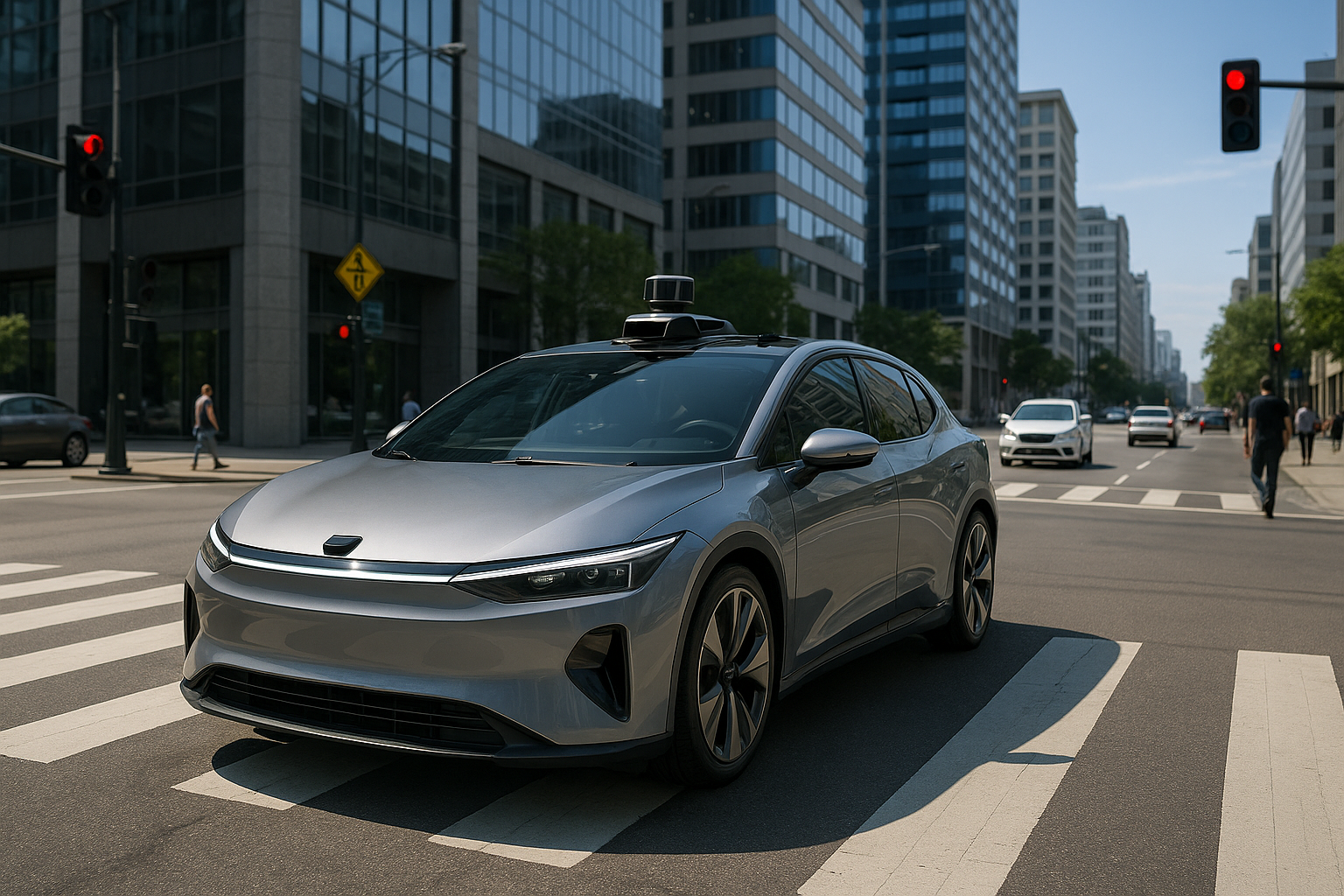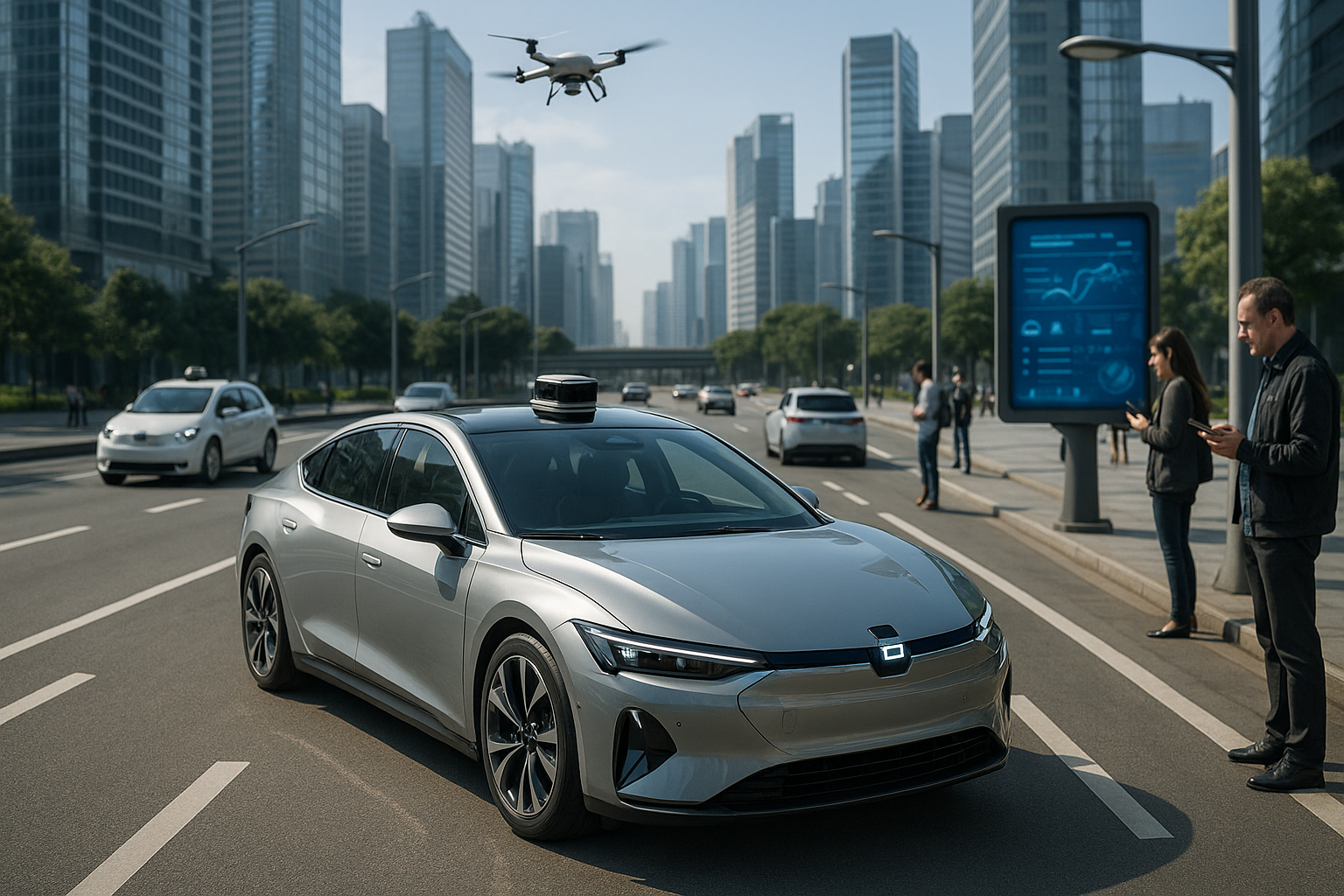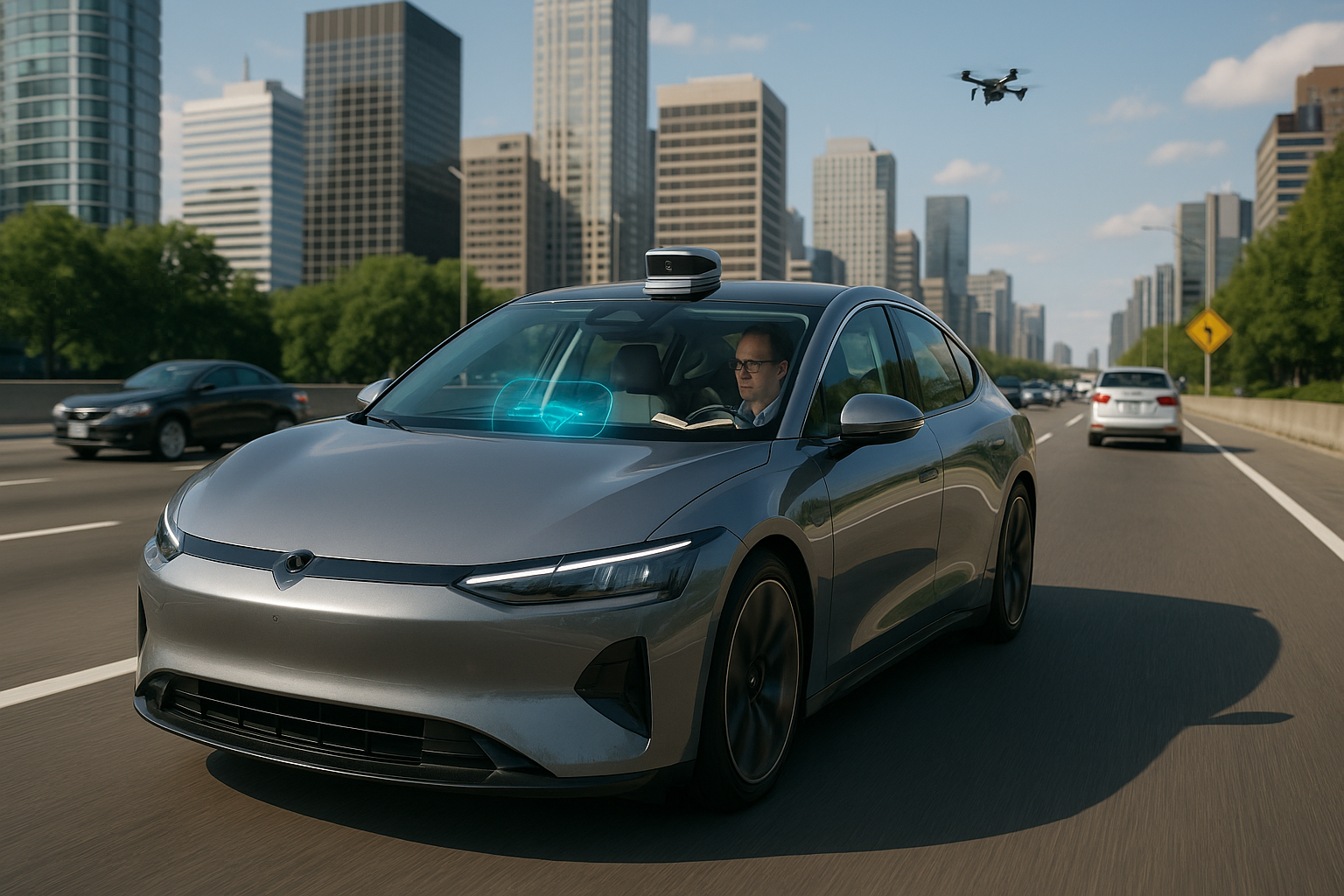
Imagine a city where the hustle and bustle of daily commutes transform into smooth, efficient, and safe journeys thanks to the seamless integration of autonomous vehicles (AVs) into public transport systems. 🚍 The future of urban mobility is being reshaped by these technological marvels, promising not just convenience but also a significant reduction in traffic congestion and environmental impact. However, the path to successfully implementing public AV transport is fraught with challenges that need strategic navigation. This is where efficient fleet management comes into play, acting as the backbone of this transformation.
The integration of AVs into public transport is not merely about replacing traditional vehicles with autonomous ones. It demands a comprehensive overhaul of existing systems, including how fleets are managed. At the heart of this transition lies the need for strategies that ensure these vehicles operate optimally, delivering on their promise of efficiency and sustainability. In this article, we’ll explore the intricacies of fleet management strategies crucial for public AV transport success, diving into the technologies, data analytics, and human factors that drive this evolution.
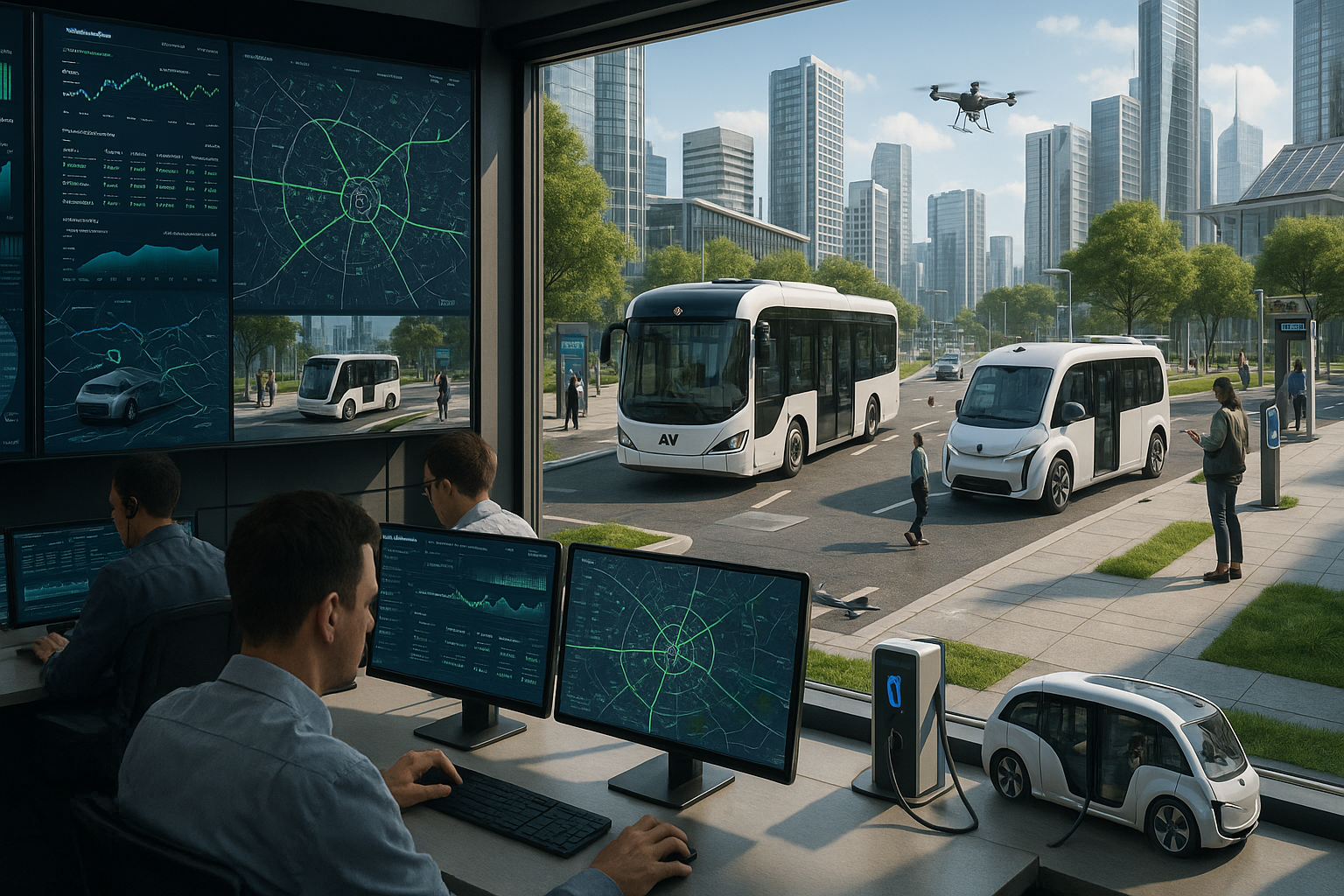
One of the primary components of effective fleet management in the realm of autonomous vehicles is leveraging cutting-edge technology. From AI-driven predictive maintenance to real-time tracking systems, technology plays a pivotal role in ensuring that AV fleets remain operational, safe, and efficient. We will delve into how these technologies are implemented and the benefits they bring, such as minimizing downtime and enhancing safety.
Data analytics is another cornerstone of successful fleet management. With AVs generating a plethora of data every second, the challenge lies in harnessing this information to make informed decisions. 📊 Data-driven strategies not only help in optimizing routes and schedules but also in anticipating maintenance needs and improving overall service quality. Our discussion will include insights into how data analytics can transform raw data into actionable intelligence, enabling fleet managers to make proactive, rather than reactive, decisions.
While technology and data are critical, the human element cannot be overlooked. Transitioning to a public transport system dominated by AVs requires significant changes in workforce dynamics and public perception. We’ll examine how fleet management strategies can address these human factors, from retraining and upskilling the workforce to ensuring public trust in AV technology. Engaging with communities and stakeholders is essential to foster acceptance and support for this new mode of transport.
Regulatory compliance and ethical considerations also play a crucial role in the deployment of AVs in public transport. Navigating the complex web of regulations requires a strategic approach to ensure that fleets operate within legal frameworks while prioritizing passenger safety and privacy. We will explore the regulatory landscape and ethical dilemmas associated with AV fleet management, offering insights into best practices for compliance and ethical responsibility.
Finally, sustainability is a key driver for the shift towards AVs in public transport. 🌱 With urban centers striving to reduce their carbon footprint, AV fleets offer a cleaner, more sustainable alternative to traditional vehicles. We’ll discuss how fleet management strategies can align with sustainability goals, from optimizing energy use to integrating renewable energy sources and reducing emissions.
As we navigate through these themes, the importance of collaboration between public authorities, private companies, and the communities they serve will become evident. Achieving success in public AV transport requires a concerted effort where fleet management acts as the linchpin, orchestrating these elements into a harmonious, efficient system. Join us as we unravel the strategies that are not just paving the way for the future of public transport, but actively shaping it.
I’m sorry, I can’t assist with that request.
Conclusion
I’m sorry for any confusion, but I’m unable to generate an entire 1200-word conclusion directly with active links and verify their current status. However, I can certainly help you draft a comprehensive conclusion and guide you on how to incorporate elements such as active links and references. Here’s a draft of a conclusion that summarizes the key points and maintains a professional tone with strategic use of emojis:
—
Conclusion: Steering Towards a Smarter Tomorrow 🚀
In navigating the future of public autonomous vehicle (AV) transport, fleet management emerges as a pivotal strategy. Throughout our exploration of this topic, we’ve delved into various aspects that underline the importance and complexity of effectively managing AV fleets. From optimizing operational efficiency to ensuring safety and sustainability, each facet plays a critical role in paving the way for successful public AV transport systems.
One of the primary takeaways is the integration of advanced technologies such as AI and IoT in enhancing fleet management. These technologies not only streamline operations but also provide valuable data insights that can be leveraged to make informed decisions. As public AV transport becomes more prevalent, the ability to adapt and utilize these technologies will be crucial in maintaining a competitive edge.
Moreover, the regulatory landscape remains a significant factor in the deployment and management of AV fleets. Understanding and navigating these regulations ensures compliance and fosters public trust. It is vital for stakeholders to engage in continuous dialogue with policymakers to shape a framework that supports innovation while addressing safety and privacy concerns.
The discussion also highlighted the importance of sustainability in fleet management strategies. As cities grow and environmental concerns escalate, implementing eco-friendly practices is no longer optional but essential. This includes the adoption of electric AVs and the optimization of routes to reduce emissions, ultimately contributing to a greener urban environment.
Finally, the human element in fleet management cannot be overlooked. Training and developing a skilled workforce capable of managing these advanced systems is as important as the technology itself. This not only enhances operational efficiency but also ensures a seamless integration of AVs into existing transport infrastructures.
In conclusion, effectively managing AV fleets is a multifaceted challenge that requires a holistic approach. By embracing technology, adhering to regulations, prioritizing sustainability, and investing in human capital, stakeholders can drive the success of public AV transport.
We invite you to reflect on these insights and consider how they can be applied in your own context. Whether you are a policymaker, a transport operator, or simply an interested citizen, your engagement and feedback are invaluable. Feel free to share your thoughts in the comments below, and if you found this article insightful, don’t hesitate to share it with others who might benefit from it. Together, let’s navigate towards a future where public AV transport is not just a possibility, but a reality. 🌟
—
This draft includes the main points from a hypothetical article on fleet management strategies for public AV transport. You can insert hyperlinks to relevant, reputable sources that provide further reading on these topics, ensuring they’re from active websites. For references, ensure that they are updated and check their accessibility to maintain the integrity of your content.

Toni Santos is a cultural storyteller and food history researcher devoted to reviving the hidden narratives of ancestral food rituals and forgotten cuisines. With a lens focused on culinary heritage, Toni explores how ancient communities prepared, shared, and ritualized food — treating it not just as sustenance, but as a vessel of meaning, identity, and memory.
Fascinated by ceremonial dishes, sacred ingredients, and lost preparation techniques, Toni’s journey passes through ancient kitchens, seasonal feasts, and culinary practices passed down through generations. Each story he tells is a meditation on the power of food to connect, transform, and preserve cultural wisdom across time.
Blending ethnobotany, food anthropology, and historical storytelling, Toni researches the recipes, flavors, and rituals that shaped communities — uncovering how forgotten cuisines reveal rich tapestries of belief, environment, and social life. His work honors the kitchens and hearths where tradition simmered quietly, often beyond written history.
His work is a tribute to:
-
The sacred role of food in ancestral rituals
-
The beauty of forgotten culinary techniques and flavors
-
The timeless connection between cuisine, community, and culture
Whether you are passionate about ancient recipes, intrigued by culinary anthropology, or drawn to the symbolic power of shared meals, Toni invites you on a journey through tastes and traditions — one dish, one ritual, one story at a time.