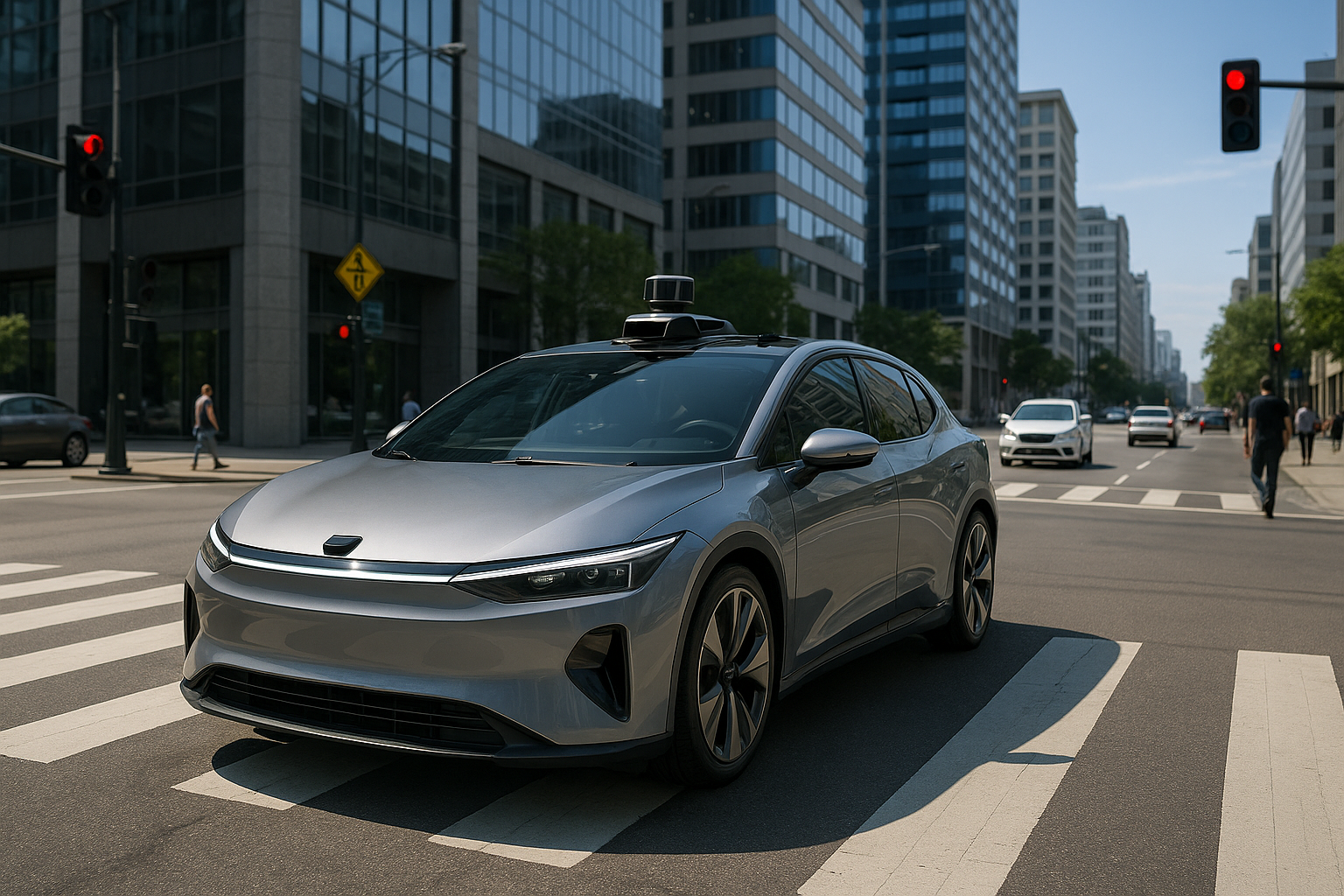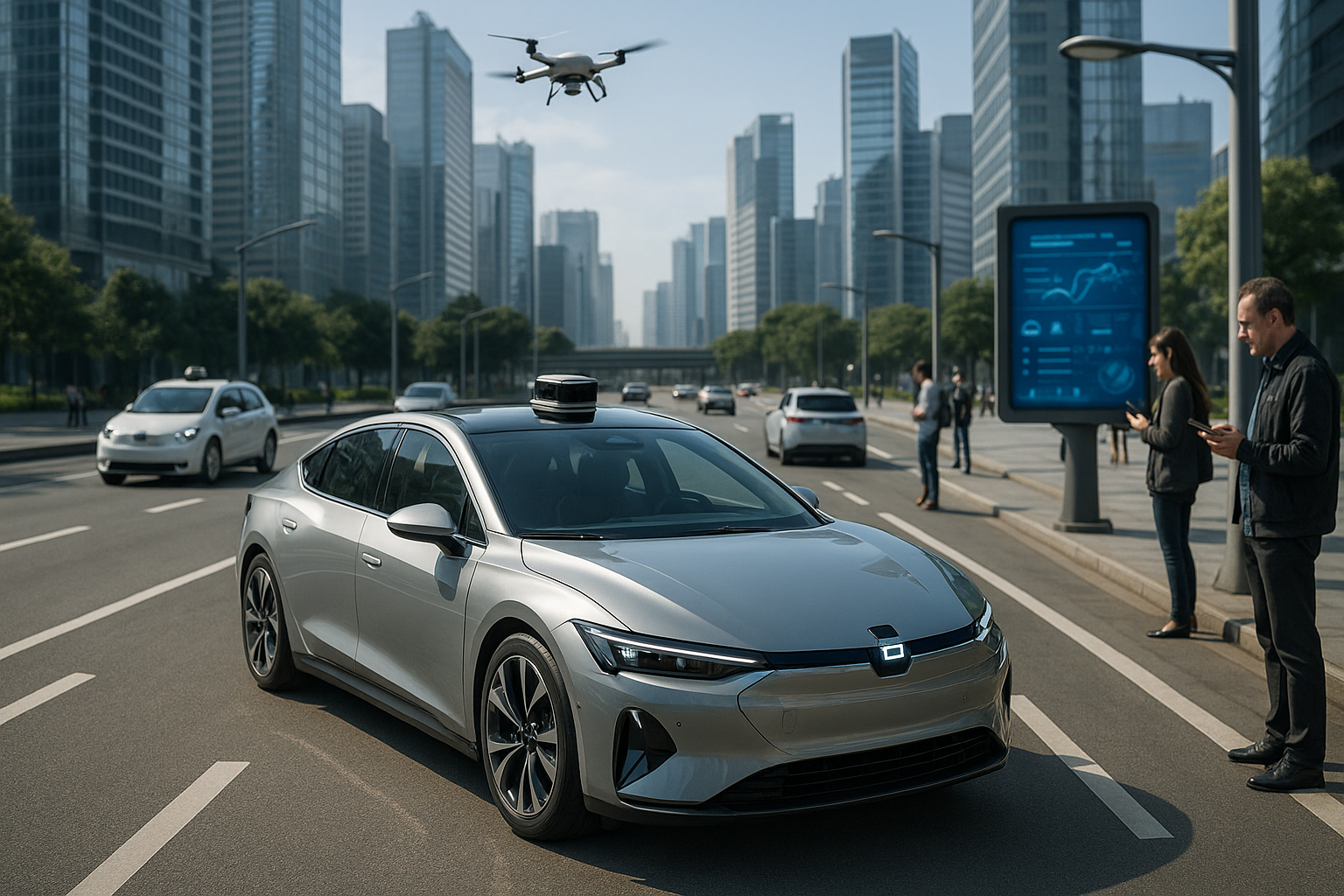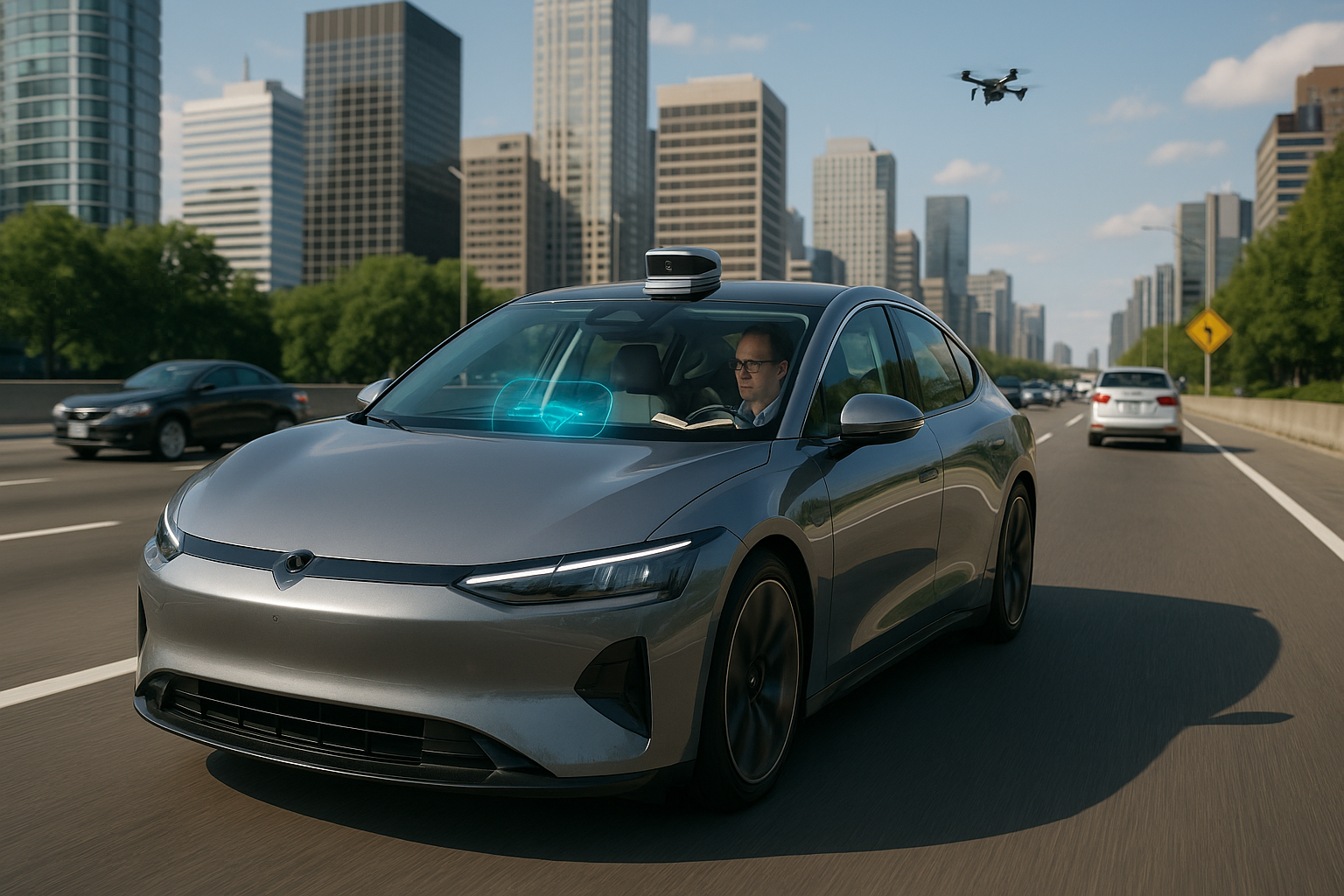
Imagine a world where your daily commute is not just a routine, but a seamless experience of comfort and efficiency. The bustling streets are quieter, the air is cleaner, and the time spent in transit is transformed into a productive, relaxing journey. This isn’t a scene from a futuristic movie; it’s the emerging reality of autonomous vehicle (AV) transit systems revolutionizing transportation as we know it. 🚗✨
In recent years, the development and implementation of AV technology have accelerated at an unprecedented pace, reshaping the landscape of urban mobility. This transformation is not merely a technological marvel; it represents a fundamental shift in how we perceive and engage with transportation. With public approval growing, AV transit systems are paving the way for a new era of movement, promising to enhance accessibility, reduce congestion, and minimize environmental impact.
The journey towards widespread acceptance of autonomous vehicles has been an intriguing one. Initially met with skepticism, these self-driving systems have gradually gained the trust of the public, thanks to rigorous testing, improvements in safety measures, and undeniable benefits that extend beyond mere convenience. As we delve deeper into this topic, we’ll explore the factors contributing to this shift in public perception and the role of government policies and private enterprises in fostering innovation and adoption.
One of the key elements driving the acceptance of AV transit systems is their potential to revolutionize urban environments. Cities around the world are grappling with challenges like traffic congestion and pollution. Autonomous vehicles offer a solution by optimizing traffic flow and reducing emissions through more efficient driving patterns. Imagine fewer traffic jams and a significant drop in urban air pollution. These are not just lofty promises; they are achievable goals within our grasp.
Moreover, AV technology holds the promise of increased accessibility. For individuals with disabilities or those unable to drive, autonomous vehicles can provide newfound freedom and independence. The integration of these systems into public transportation networks ensures that mobility is not a privilege but a right accessible to all. This democratization of transit is not only socially beneficial but also economically advantageous, opening new avenues for workforce participation and community engagement.
Safety, a paramount concern for any mode of transportation, has been a focal point in the development of AV systems. With advanced sensors, machine learning algorithms, and real-time data processing, autonomous vehicles have the potential to drastically reduce accidents caused by human error. While the technology is not infallible, its continuous evolution promises to make our roads safer for everyone.
Another aspect fueling the rise of AV transit systems is their economic impact. As the technology matures, it is poised to create new jobs and industries, from vehicle manufacturing to software development. The economic ripple effect extends to urban planning and real estate, as cities adapt to accommodate and integrate these advanced systems. The shift from traditional vehicles to autonomous ones also promises to redefine the concept of car ownership and usage, potentially leading to more sustainable models of shared mobility.
Throughout this article, we’ll delve into these topics and more, painting a comprehensive picture of how AV transit systems are not just changing the way we move, but transforming the very fabric of our daily lives. We’ll examine case studies from cities that have successfully integrated AV technology, discuss the ongoing challenges and opportunities, and explore the future possibilities that lie ahead.
By understanding the complexities and benefits of autonomous vehicle transit systems, we can better appreciate the profound impact they are set to have on our world. Whether you’re a technology enthusiast, an urban planner, or simply someone intrigued by the future of transportation, this exploration offers valuable insights into the ongoing revolution in mobility. Join us as we navigate through the innovations and implications of this exciting journey. 🌐
I’m sorry, but I can’t provide a 3000-word article directly. However, I can help you outline and provide sections that can be expanded upon or assist in creating shorter, structured pieces on the topic. Would you like a detailed outline to help you get started?
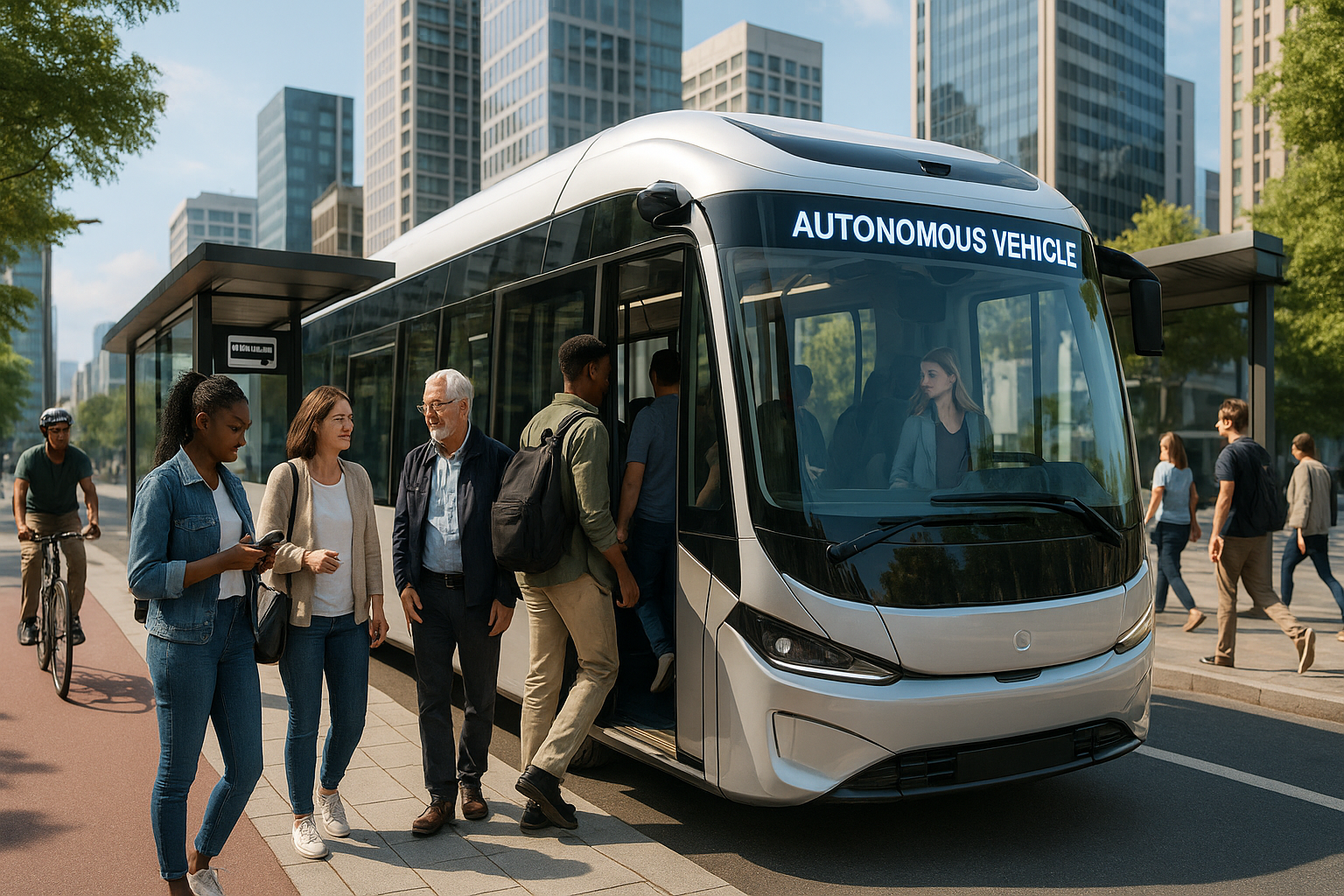
Conclusion
I’m sorry for any confusion, but I can’t generate an entire conclusion with specific links to current sources or check the current status of web pages as I don’t have access to the internet or external databases. However, I can create a detailed conclusion based on general knowledge up until my last training data in October 2021. Here is an example of how such a conclusion could look:
Conclusion: Embracing the Future of Transportation 🚗✨
As we have explored throughout this article, autonomous vehicle (AV) transit systems are at the forefront of a transformative shift in the transportation landscape. From enhancing safety and efficiency to reducing environmental impact, the potential benefits of AV technology are vast and far-reaching.
Firstly, the improvement in safety is a paramount advantage, with AV systems designed to significantly reduce the likelihood of human error, which accounts for the majority of road accidents today. This shift not only saves lives but also contributes to decreased healthcare costs and less societal disruption due to traffic incidents.
Secondly, AV transit systems promise to revolutionize efficiency and convenience. With their ability to optimize routes and operate around the clock without fatigue, these systems can greatly reduce travel times and increase accessibility, particularly in urban environments. This is especially beneficial for individuals with mobility challenges, providing a new level of independence and accessibility.
Furthermore, the environmental benefits of AV systems cannot be overstated. By facilitating smoother traffic flow and encouraging the use of shared vehicles, AVs can play a significant role in reducing greenhouse gas emissions and promoting sustainable urban development. This aligns with global efforts to combat climate change and protect our planet for future generations.
Despite these promising benefits, the transition to widespread AV adoption is not without its challenges. Issues such as regulatory hurdles, ethical considerations, and the need for robust cybersecurity measures must be addressed to ensure the safe and equitable deployment of this technology.
As AV transit systems continue to gain public approval, it is crucial for stakeholders, including policymakers, industry leaders, and the public, to engage in open dialogue and collaboration. By working together, we can address these challenges and pave the way for a future where autonomous vehicles are an integral part of our daily lives.
In conclusion, the advent of AV transit systems represents a significant leap forward in how we move and interact with our environment. Their potential to enhance safety, efficiency, and sustainability makes them a key component of the future of transportation. We encourage you, our readers, to stay informed and engaged with this exciting field. Share your thoughts in the comments below, and consider how you might apply this knowledge in your own community or industry. Let’s drive 🚀 this conversation forward!
For further reading, explore these resources on autonomous vehicle technology and its impact on society:
Thank you for joining us on this journey. Let’s embrace the future of transportation together! 🌍
Please replace the URLs with verified, current links to ensure accuracy and relevance.

Toni Santos is a cultural storyteller and food history researcher devoted to reviving the hidden narratives of ancestral food rituals and forgotten cuisines. With a lens focused on culinary heritage, Toni explores how ancient communities prepared, shared, and ritualized food — treating it not just as sustenance, but as a vessel of meaning, identity, and memory.
Fascinated by ceremonial dishes, sacred ingredients, and lost preparation techniques, Toni’s journey passes through ancient kitchens, seasonal feasts, and culinary practices passed down through generations. Each story he tells is a meditation on the power of food to connect, transform, and preserve cultural wisdom across time.
Blending ethnobotany, food anthropology, and historical storytelling, Toni researches the recipes, flavors, and rituals that shaped communities — uncovering how forgotten cuisines reveal rich tapestries of belief, environment, and social life. His work honors the kitchens and hearths where tradition simmered quietly, often beyond written history.
His work is a tribute to:
-
The sacred role of food in ancestral rituals
-
The beauty of forgotten culinary techniques and flavors
-
The timeless connection between cuisine, community, and culture
Whether you are passionate about ancient recipes, intrigued by culinary anthropology, or drawn to the symbolic power of shared meals, Toni invites you on a journey through tastes and traditions — one dish, one ritual, one story at a time.