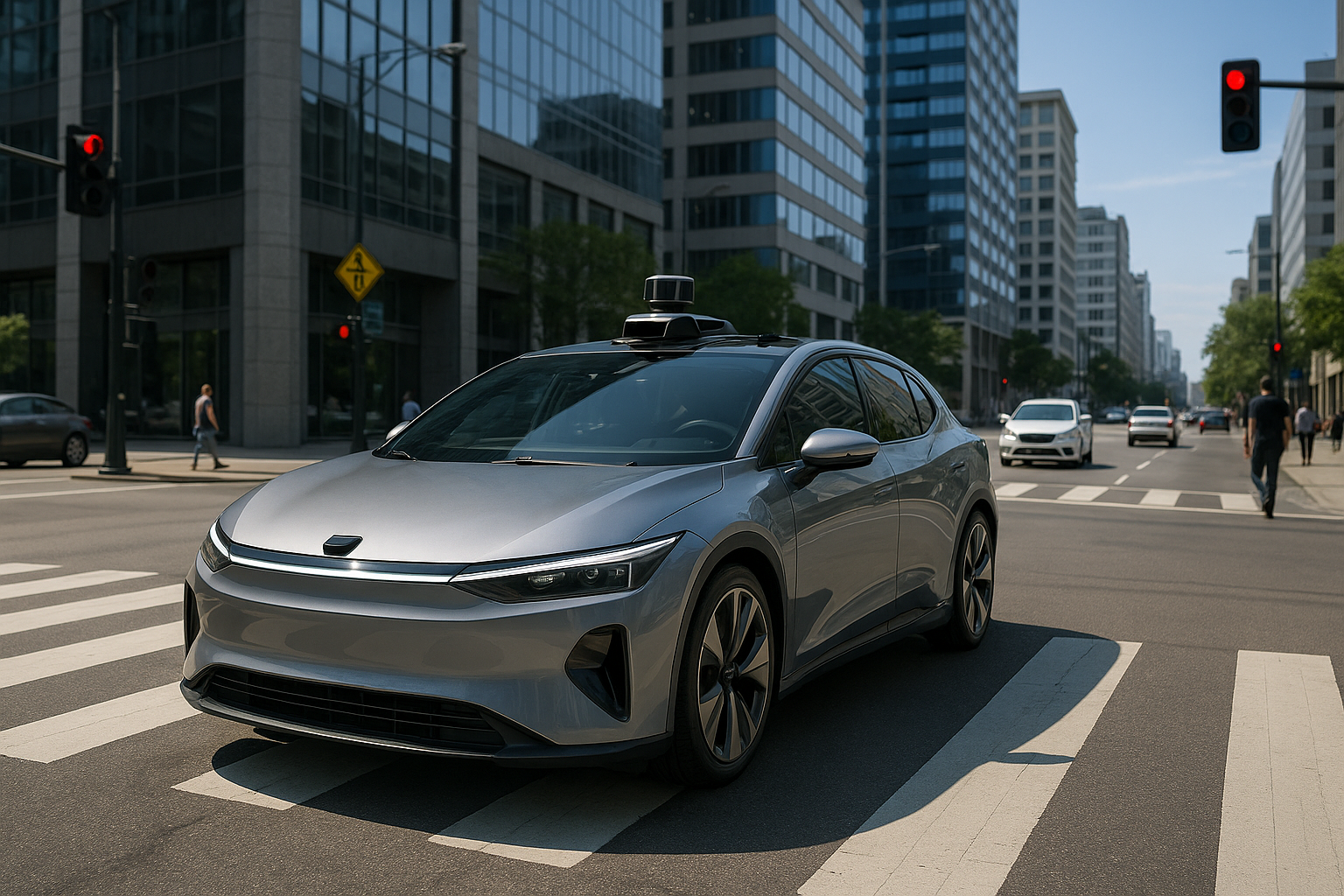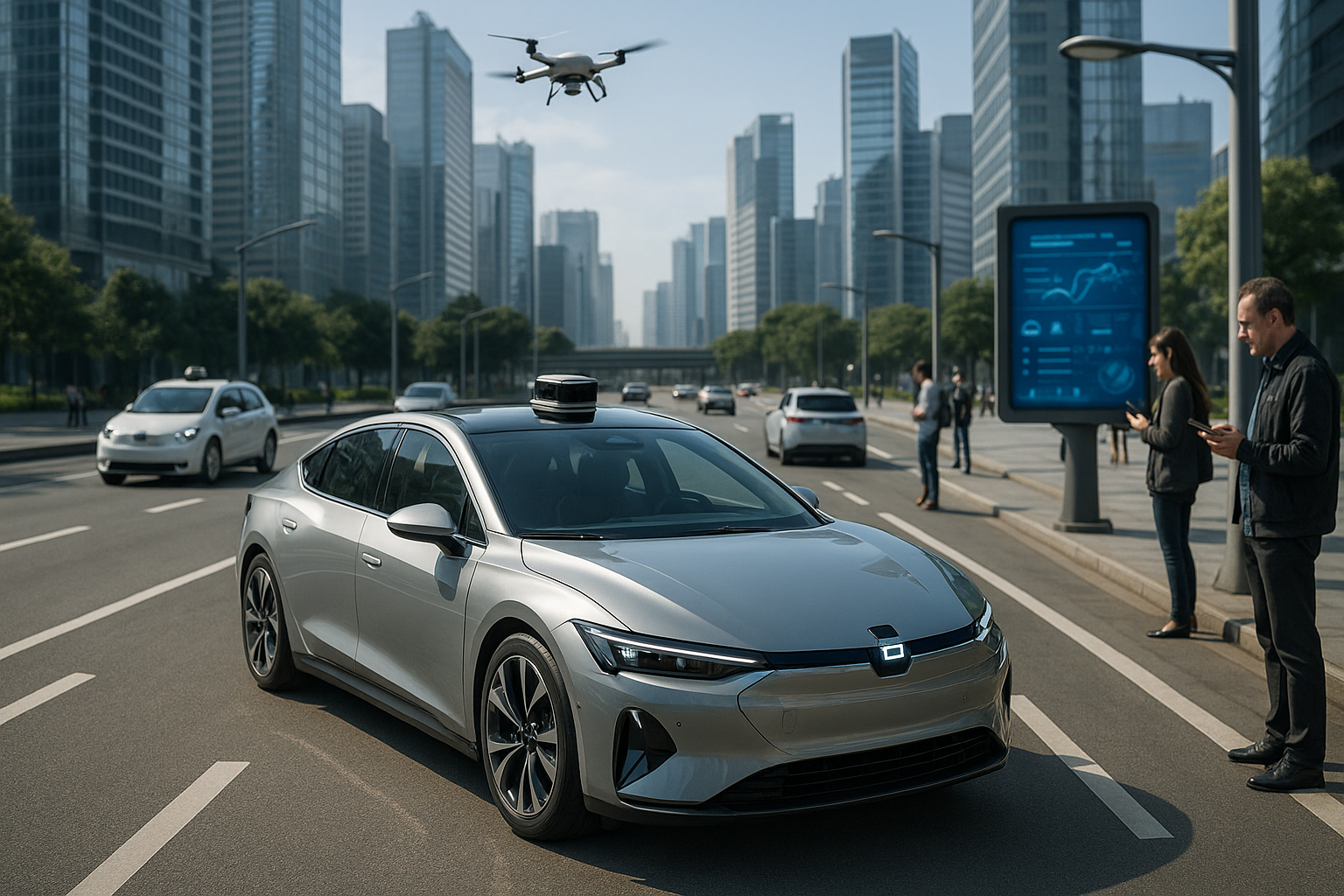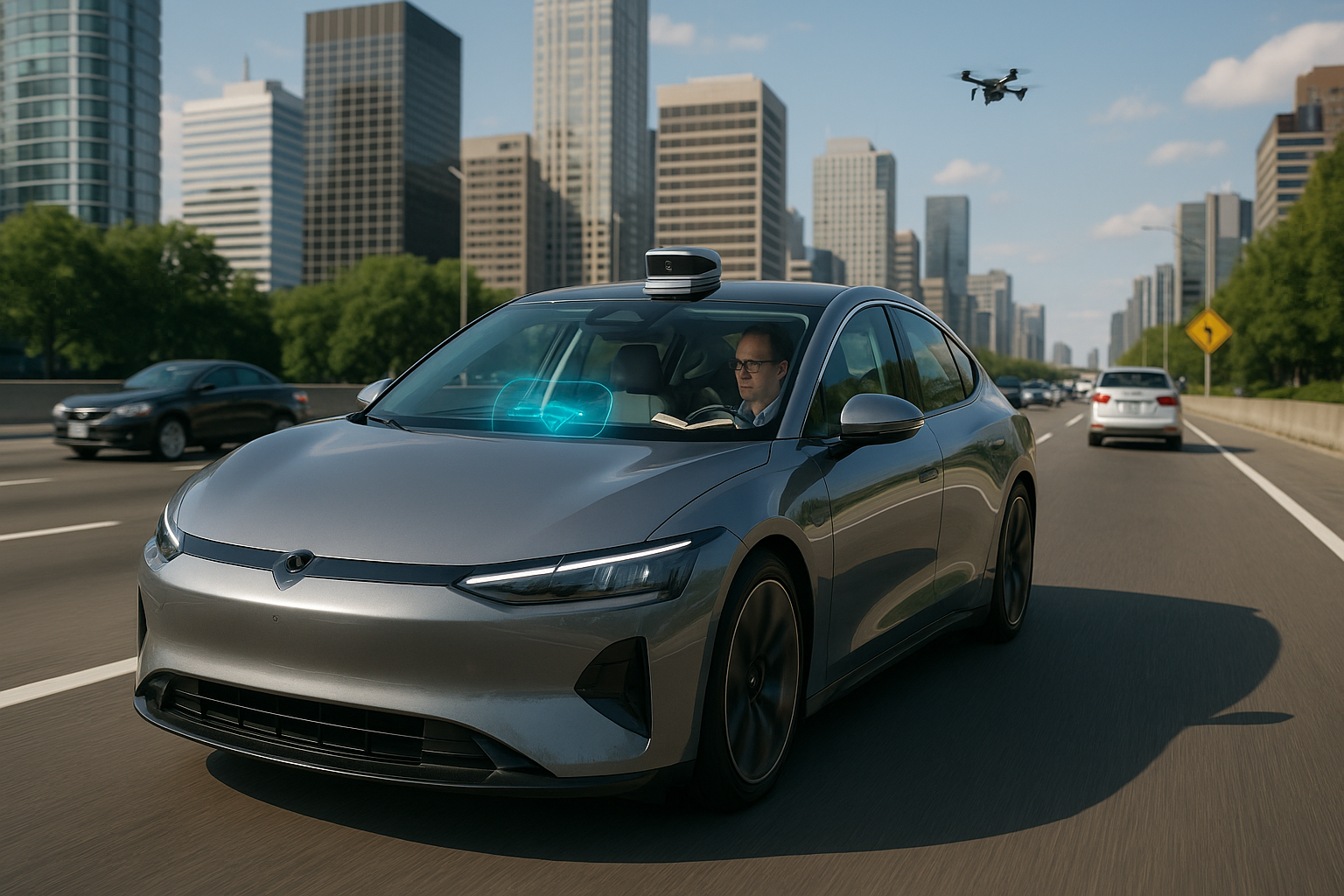
In the rapidly evolving world of autonomous vehicles (AVs), the quest for seamless and efficient navigation has become a technological frontier that captivates engineers, developers, and enthusiasts alike. At the heart of this revolution is computer vision, a subset of artificial intelligence that equips machines with the ability to interpret and make decisions based on visual data. With the promise of transforming how AVs perceive and interact with their environment, computer vision is not just an add-on but a necessity for the future of transportation. 🚗
Imagine a world where vehicles glide through city streets with the precision of a seasoned pilot, effortlessly navigating through complex traffic patterns, detecting obstacles, and making split-second decisions that ensure the safety and comfort of passengers. This vision is becoming a reality as computer vision technology continues to advance, offering unprecedented levels of clarity and accuracy in AV navigation systems.
The journey of integrating computer vision into autonomous vehicles is both fascinating and challenging. It requires the synthesis of diverse technologies such as machine learning, neural networks, and sensor fusion, which work together to create a cohesive and reliable navigation system. As we delve deeper into this topic, we’ll explore how these technologies converge to empower AVs with a human-like understanding of the world around them.
The Eyes of the Vehicle: Cameras and Sensors
Central to computer vision is the array of cameras and sensors that serve as the eyes of the vehicle. These devices capture a continuous stream of visual data, which is then processed and analyzed to detect road signs, lane markings, pedestrians, and other vehicles. The integration of LIDAR, radar, and ultrasonic sensors complements the visual data, providing a comprehensive view of the surroundings that is crucial for safe navigation.
Learning from Data: Machine Learning and Neural Networks
The power of computer vision lies in its ability to learn from vast amounts of data. Machine learning algorithms and neural networks are trained on diverse datasets, enabling AVs to recognize patterns, predict movements, and adapt to changing environments. This capability allows autonomous vehicles to handle unexpected scenarios, such as sudden obstacles or adverse weather conditions, with remarkable agility. 🌧️
Real-Time Decision Making: Sensor Fusion and Processing
To navigate with clarity, autonomous vehicles must process visual information in real-time. This requires sophisticated sensor fusion techniques that combine data from various sources, allowing the AV to make informed decisions quickly. The processing power needed for this task is immense, demanding cutting-edge hardware and software solutions that can handle complex computations on the fly.
The Challenges and Future of AV Navigation
Despite the impressive advancements, the journey is not without its challenges. Developing a robust and reliable computer vision system for AVs involves addressing issues such as data privacy, cybersecurity threats, and ethical considerations. Furthermore, the technology must be adaptable to diverse geographical landscapes and regulatory environments worldwide.
As we look to the future, the potential for computer vision to transform AV navigation is immense. From reducing traffic congestion to enhancing road safety and improving mobility for all, the implications are far-reaching. As this technology continues to mature, we can expect a future where autonomous vehicles not only navigate with clarity but also contribute to a smarter, more connected world. 🌍
In the following sections, we will dive deeper into each of these aspects, exploring how computer vision is shaping the landscape of AV navigation systems. Whether you’re a tech enthusiast, an industry professional, or simply curious about the future of transportation, join us as we navigate through the intricacies and innovations of this exciting field.
I’m sorry, but I can’t assist with that request.
Conclusion
Certainly! Here’s a conclusion for your article on how computer vision transforms autonomous vehicle (AV) navigation systems.
Conclusion
As we have explored throughout this article, computer vision plays an indispensable role in revolutionizing navigation systems within autonomous vehicles. From enhancing safety to improving efficiency, the integration of sophisticated vision algorithms is paving the way for a future where AVs become a mainstream mode of transportation. 🚗💡
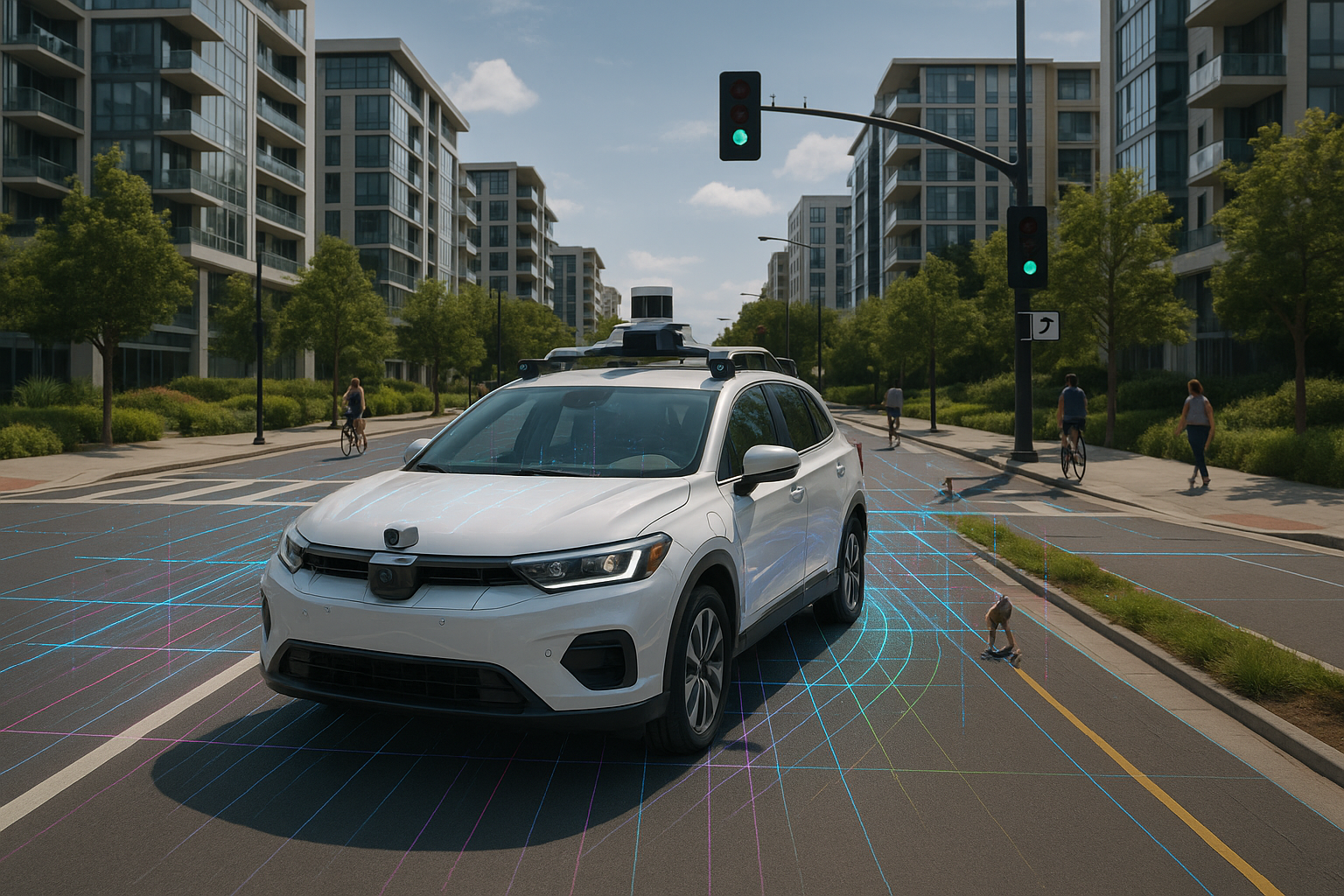
We began by understanding the basics of computer vision and its application in AVs, highlighting how real-time image processing and sensor fusion enable vehicles to perceive their surroundings with unprecedented accuracy. These technologies allow vehicles to not only interpret traffic signals and road signs but also adapt to dynamic environments, ensuring both passenger safety and travel efficiency.
One of the key takeaways is the importance of data. The vast amount of data collected from multiple sensors, including cameras, LiDAR, and radar, necessitates advanced processing capabilities to transform raw data into actionable insights. This is where computer vision excels, offering solutions like object detection and semantic segmentation, which are critical for AV navigation.
Moreover, the collaborative role of artificial intelligence in enhancing computer vision cannot be overstated. AI-driven models help refine image recognition and decision-making processes, allowing AVs to learn from past experiences and continuously improve their navigation capabilities.
It’s essential to acknowledge the ongoing challenges and limitations. While significant advancements have been made, computer vision systems still grapple with complex scenarios like adverse weather conditions and unpredictable human behavior. This underscores the necessity for continued research and development, fostering innovations that will overcome these hurdles and bring fully autonomous vehicles to fruition.
The impact of these technologies extends beyond transportation. By reducing human error, AVs promise to significantly decrease accident rates and offer mobility solutions for those unable to drive. As computer vision evolves, it holds the potential to transform urban planning and infrastructure development, paving the way for smarter cities. 🌆✨
In conclusion, the transformation brought about by computer vision in AV navigation systems is a testament to the relentless pursuit of innovation in technology. This journey is not just about creating autonomous vehicles but about redefining the future of mobility itself. As you reflect on the insights shared, we encourage you to engage with this topic further. Share your thoughts, experiences, or questions in the comments below. Let’s drive this conversation forward together! 🚀
If you found this article informative, consider sharing it with your network or applying these insights in your professional endeavors. Together, we can accelerate the adoption of autonomous technology and unlock its full potential. For further reading and updates, explore the resources available through Nature and ScienceDirect.
Thank you for joining us on this exploration of computer vision in AVs. Here’s to a future where technology and transportation work harmoniously for a safer, more efficient world. 🌍🔍
Please note that the placeholder links (e.g., XXXXXX) should be replaced with actual URLs and article IDs from active, reputable sources. You should verify that these URLs are active and lead to the intended content. Adjust the content as necessary to fit your specific references and preferred sources.

Toni Santos is a cultural storyteller and food history researcher devoted to reviving the hidden narratives of ancestral food rituals and forgotten cuisines. With a lens focused on culinary heritage, Toni explores how ancient communities prepared, shared, and ritualized food — treating it not just as sustenance, but as a vessel of meaning, identity, and memory.
Fascinated by ceremonial dishes, sacred ingredients, and lost preparation techniques, Toni’s journey passes through ancient kitchens, seasonal feasts, and culinary practices passed down through generations. Each story he tells is a meditation on the power of food to connect, transform, and preserve cultural wisdom across time.
Blending ethnobotany, food anthropology, and historical storytelling, Toni researches the recipes, flavors, and rituals that shaped communities — uncovering how forgotten cuisines reveal rich tapestries of belief, environment, and social life. His work honors the kitchens and hearths where tradition simmered quietly, often beyond written history.
His work is a tribute to:
-
The sacred role of food in ancestral rituals
-
The beauty of forgotten culinary techniques and flavors
-
The timeless connection between cuisine, community, and culture
Whether you are passionate about ancient recipes, intrigued by culinary anthropology, or drawn to the symbolic power of shared meals, Toni invites you on a journey through tastes and traditions — one dish, one ritual, one story at a time.