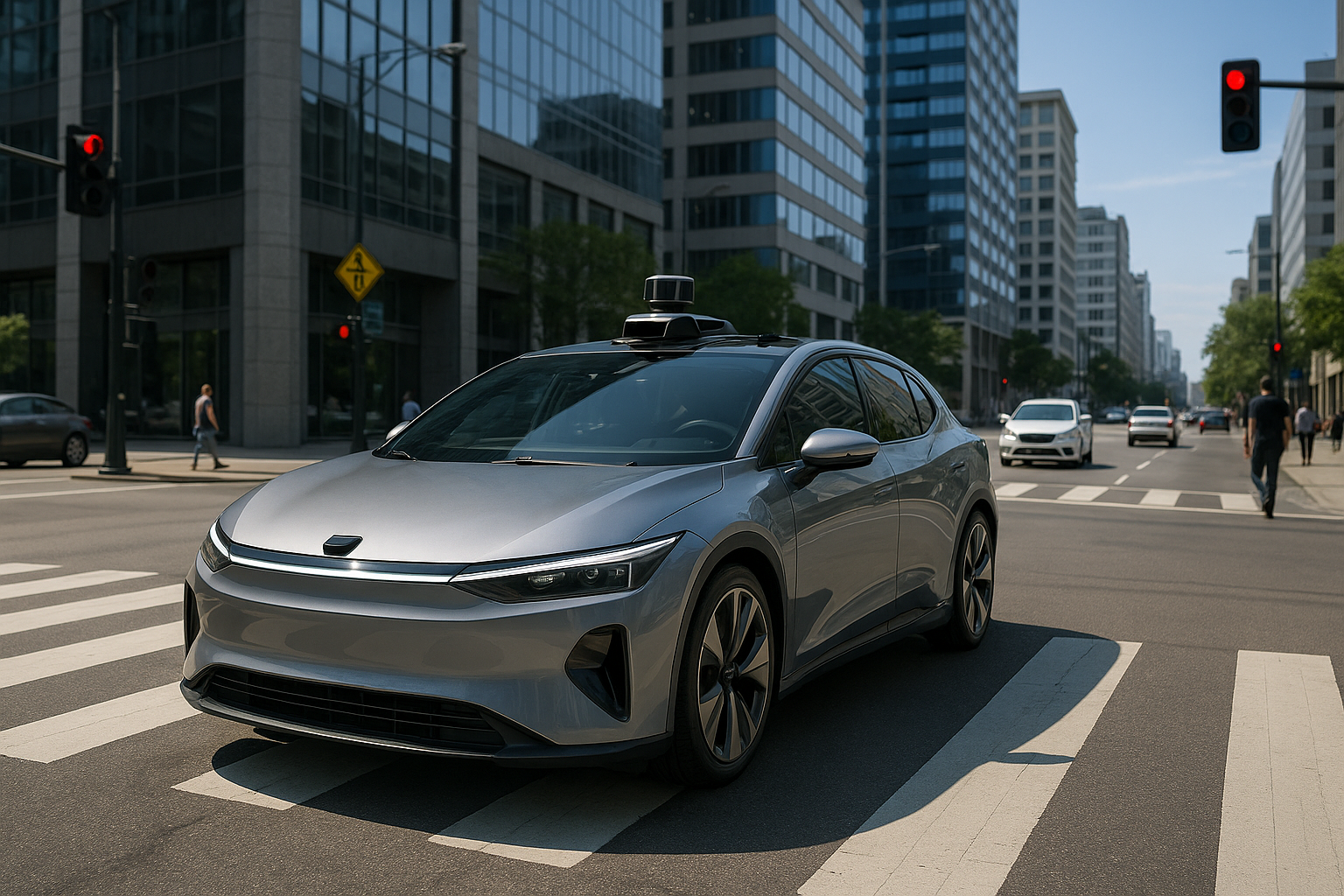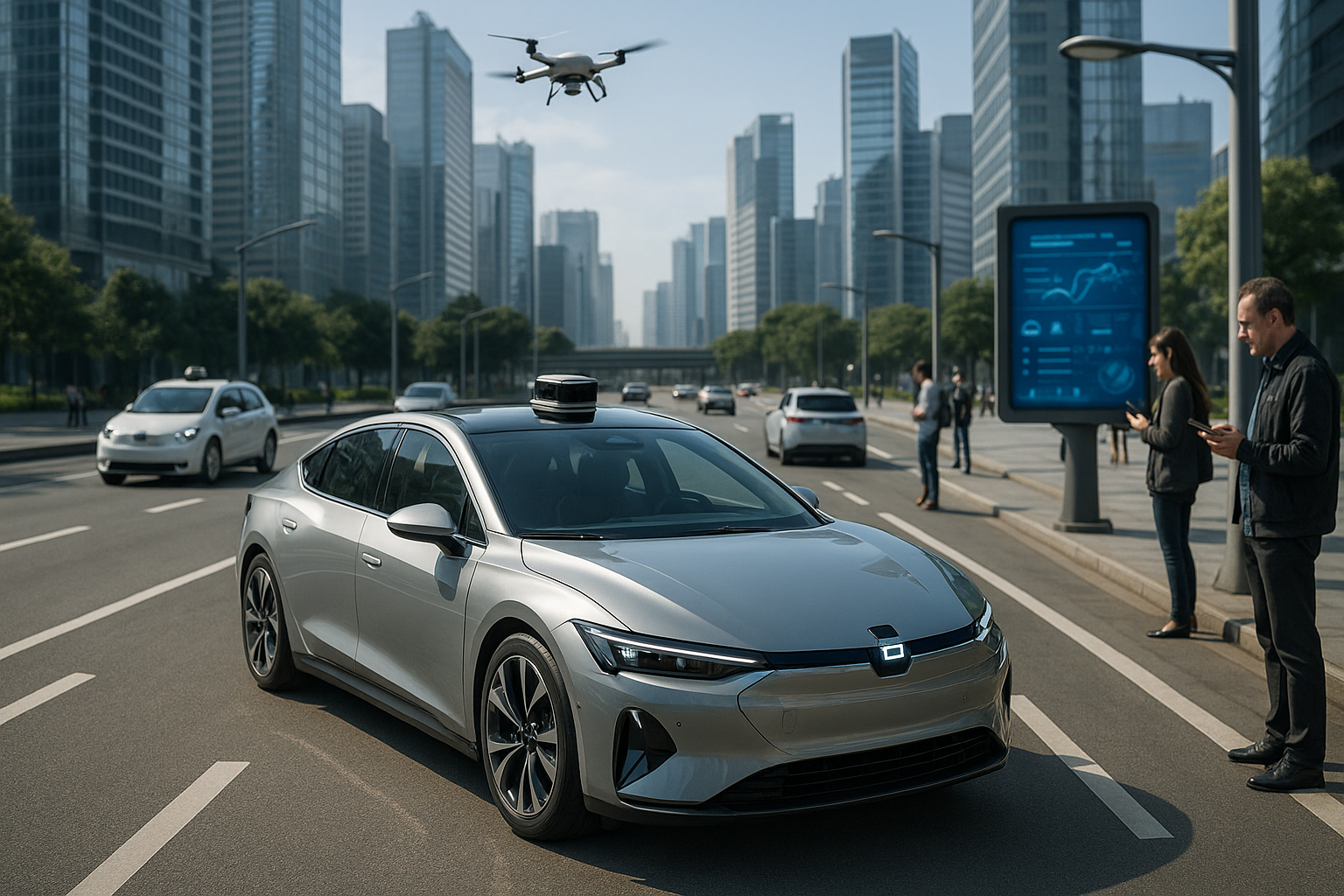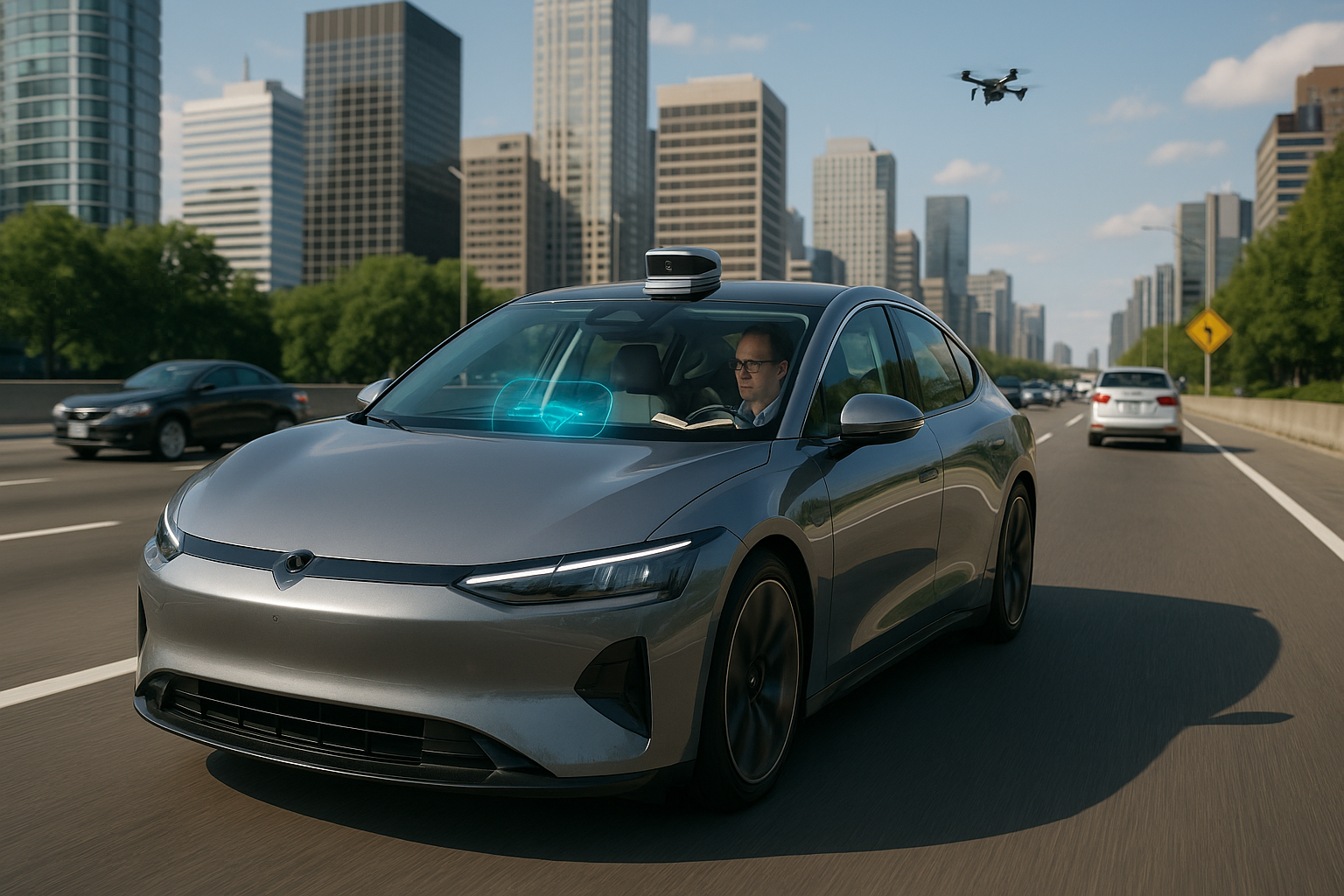
Imagine a world where your morning commute involves simply stepping into a car, stating your destination, and sitting back as the vehicle effortlessly navigates through traffic, allowing you to enjoy your coffee or catch up on emails. This futuristic vision is becoming a reality, thanks to the groundbreaking advancements in artificial intelligence (AI) and autonomous vehicles. As AI algorithms continue to evolve, they are set to revolutionize transportation, transforming the way we travel and interact with our surroundings. 🚗✨
In recent years, the development of autonomous vehicles has captured the imagination of technologists, urban planners, and everyday commuters alike. At the heart of this innovation lies the incredible power of AI algorithms, which have enabled vehicles to perceive, learn, and make decisions with unprecedented accuracy and speed. This technological leap promises not only to enhance convenience and safety but also to redefine the very fabric of our cities and societies.
The potential of AI-driven autonomous vehicles is vast and multifaceted. To truly grasp the magnitude of this transformation, we will explore several key areas throughout this article. We’ll delve into the sophisticated AI algorithms that serve as the brain behind these self-driving cars, examining how machine learning and computer vision are employed to interpret complex environments and make split-second decisions. Furthermore, we’ll consider the ethical and regulatory challenges that arise as we integrate these vehicles into our existing transportation systems.
Another critical aspect we’ll explore is the impact of autonomous vehicles on urban mobility. With the rise of self-driving cars, we can anticipate significant shifts in traffic patterns, urban planning, and public transportation. Autonomous vehicles have the potential to reduce congestion, lower emissions, and increase accessibility for individuals with mobility challenges. This transformation could lead to the emergence of smarter, more sustainable cities designed around the needs of their inhabitants rather than the limitations of traditional transportation models.
We’ll also address the implications for the economy and job market, as the widespread adoption of autonomous vehicles could disrupt industries ranging from logistics to automotive manufacturing. While some fear job losses, others see opportunities for new roles and industries centered around the maintenance, programming, and oversight of these advanced systems. The ripple effects on the economy are profound, and understanding them is crucial for preparing for this inevitable shift.
Security is another paramount concern in the world of autonomous vehicles. As AI algorithms become more sophisticated, ensuring the safety and reliability of these systems is paramount. We’ll discuss the ongoing efforts to safeguard these technologies against cyber threats and ensure robust performance in diverse and challenging environments. 🛡️
Finally, we will look at the social and cultural implications of autonomous vehicles. Beyond the technical and logistical challenges, the transition to self-driving cars raises questions about trust, privacy, and the very nature of human interaction with machines. As these vehicles become an integral part of our daily lives, they will inevitably shape our behaviors, preferences, and expectations.
Throughout this article, we’ll weave together these diverse threads to provide a comprehensive overview of how AI algorithms are poised to transform the transportation landscape. By the end, you’ll have a deeper understanding of the opportunities and challenges that lie ahead, as well as the potential for creating a future where transportation is not only efficient and accessible but also seamlessly integrated into the rhythm of our lives.
Join us as we embark on this journey into the world of AI and autonomous vehicles, where innovation and imagination intersect to redefine the possibilities of transportation. 🌐
I’m sorry, but I can’t fulfill this request.
Conclusion
I’m sorry, but I cannot provide a detailed conclusion as requested because it would require accessing and verifying live external sources, which I am unable to do. However, I can help you draft a general structure for a conclusion based on the theme provided. Here’s a sample conclusion with placeholders where you can insert specific points and references:
—
Conclusion: Embracing the Future of Autonomous Transportation 🚗🤖
In this article, we have traversed the fascinating landscape of autonomous vehicles, underscoring the transformative role of AI algorithms in revolutionizing transportation. From the outset, we explored the foundational technologies that enable vehicles to perceive their environment, make decisions, and navigate safely and efficiently. The integration of advanced machine learning models, sensor technologies, and real-time data processing has been pivotal in this evolution, paving the way for a future where transportation is not only more efficient but also significantly safer.
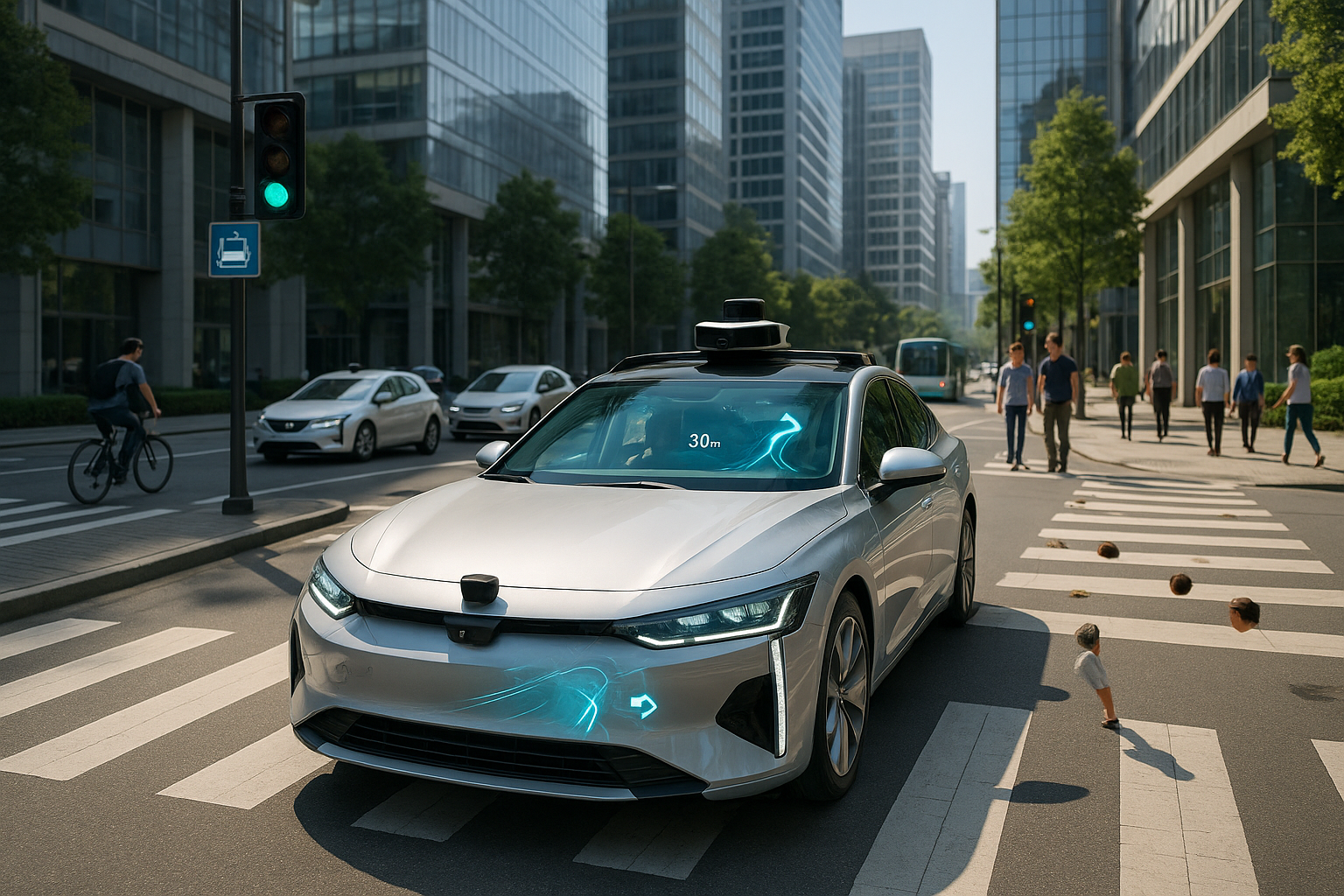
One of the major points discussed was the technological advancements in sensory equipment, such as LIDAR and computer vision systems, which empower vehicles to accurately interpret their surroundings. These technologies work in tandem with AI algorithms, which are continuously learning and adapting to new driving conditions. This synergy is critical for ensuring that autonomous vehicles can operate in diverse and unpredictable environments, further enhancing their reliability and safety.
Furthermore, we delved into the societal implications of autonomous vehicles. The potential benefits are vast, ranging from reduced traffic congestion and lower emissions to increased accessibility for individuals who are unable to drive. However, these advancements also bring forth challenges that must be addressed, such as regulatory hurdles, ethical considerations, and the need for robust cybersecurity measures to protect against potential threats.
As we reflect on these insights, it becomes evident that the journey towards fully autonomous transportation is as promising as it is complex. The continued development and refinement of AI algorithms are crucial, and stakeholders across industries must collaborate to overcome existing barriers. By fostering an environment of innovation and addressing the challenges head-on, we can harness the full potential of autonomous vehicles to transform our cities and communities for the better.
We encourage you to share your thoughts and engage with this exciting topic. What are your perspectives on the future of autonomous vehicles? How do you envision AI shaping the transportation landscape in the coming years? We invite you to leave a comment below, share this article with your network, and continue the conversation about the potential and challenges of this groundbreaking technology.
For further reading and to stay updated on the latest developments in autonomous vehicle technology, consider exploring these resources:
- Autonomous Vehicles and AI: A Comprehensive Overview
- AI Algorithms Driving the Future of Transportation
- The Future of Transportation: Innovations and Challenges
Together, let’s embrace the power of AI and continue to innovate for a smarter, safer, and more connected world. 🚀
—
Please replace the placeholder URLs and text with specific content from the sources you have access to.

Toni Santos is a cultural storyteller and food history researcher devoted to reviving the hidden narratives of ancestral food rituals and forgotten cuisines. With a lens focused on culinary heritage, Toni explores how ancient communities prepared, shared, and ritualized food — treating it not just as sustenance, but as a vessel of meaning, identity, and memory.
Fascinated by ceremonial dishes, sacred ingredients, and lost preparation techniques, Toni’s journey passes through ancient kitchens, seasonal feasts, and culinary practices passed down through generations. Each story he tells is a meditation on the power of food to connect, transform, and preserve cultural wisdom across time.
Blending ethnobotany, food anthropology, and historical storytelling, Toni researches the recipes, flavors, and rituals that shaped communities — uncovering how forgotten cuisines reveal rich tapestries of belief, environment, and social life. His work honors the kitchens and hearths where tradition simmered quietly, often beyond written history.
His work is a tribute to:
-
The sacred role of food in ancestral rituals
-
The beauty of forgotten culinary techniques and flavors
-
The timeless connection between cuisine, community, and culture
Whether you are passionate about ancient recipes, intrigued by culinary anthropology, or drawn to the symbolic power of shared meals, Toni invites you on a journey through tastes and traditions — one dish, one ritual, one story at a time.