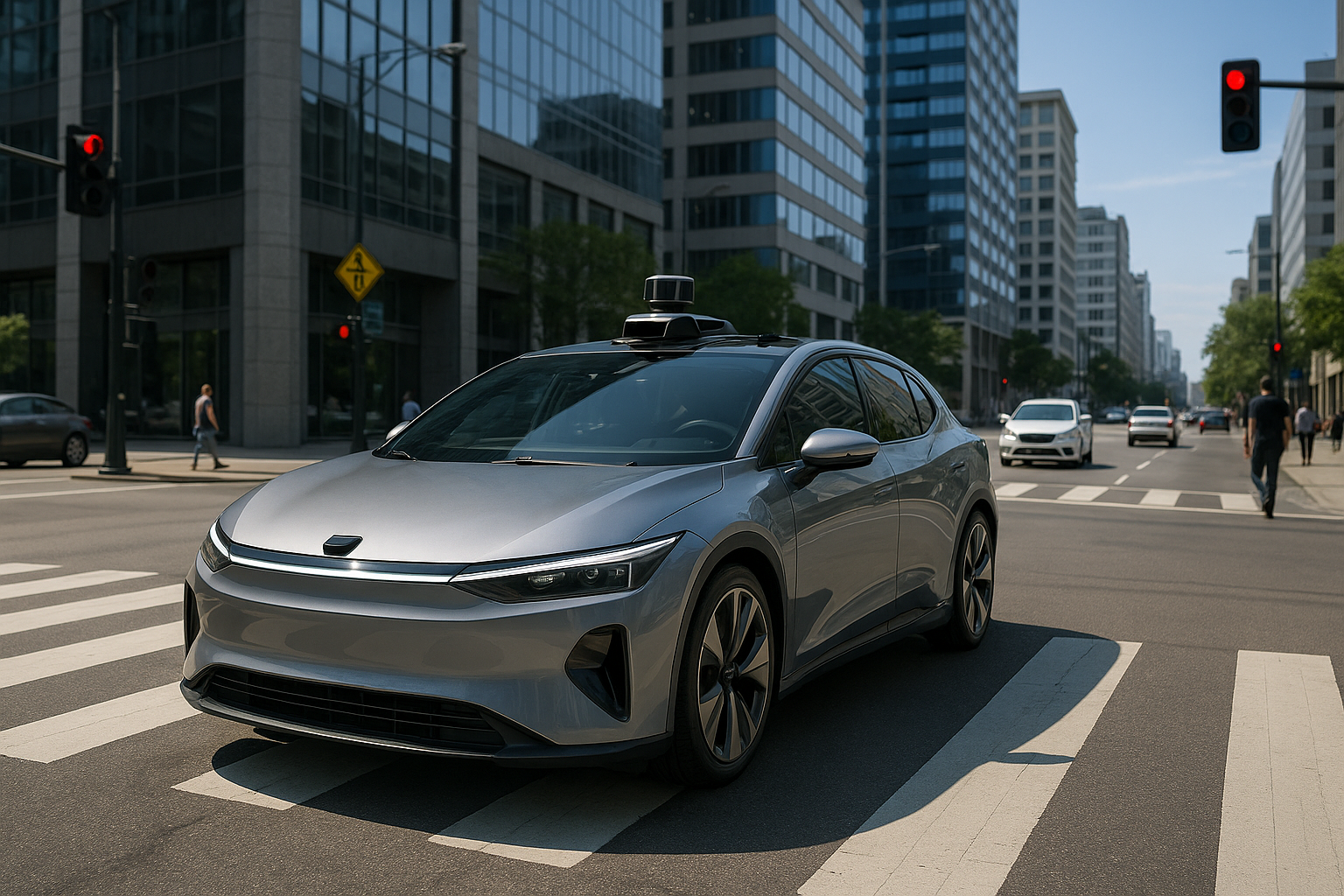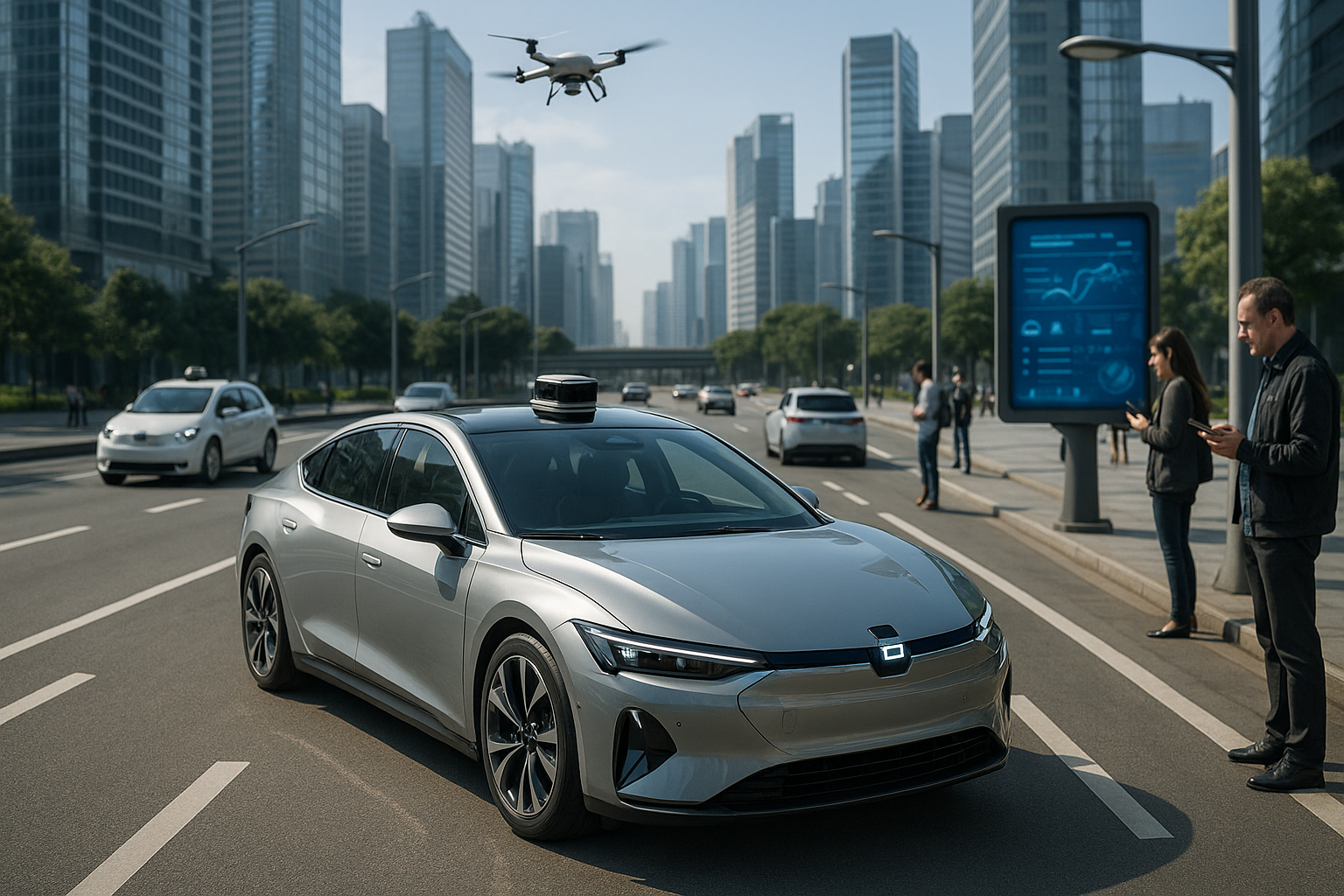
In the bustling realm of technological advancement, one innovation is steering us towards a future once confined to the realms of science fiction: autonomous vehicles. At the heart of this transformation lies a crucial component—high-definition mapping. 🚗🌍 As we navigate this digital age, understanding the power and potential of HD maps in revolutionizing how autonomous vehicles operate is essential. These maps are not just tools but are becoming the very lifeblood of the self-driving car industry, offering unparalleled precision and reliability.
Imagine a world where traffic jams are a relic of the past, where accidents are significantly reduced, and where the efficiency of our daily commutes is optimized beyond what we currently deem possible. This vision is not merely a utopian dream; it is a rapidly approaching reality, fueled by the continuous advancements in mapping technology. High-definition maps are the silent yet powerful players in this field, providing autonomous vehicles with the detailed information they need to navigate our complex world.
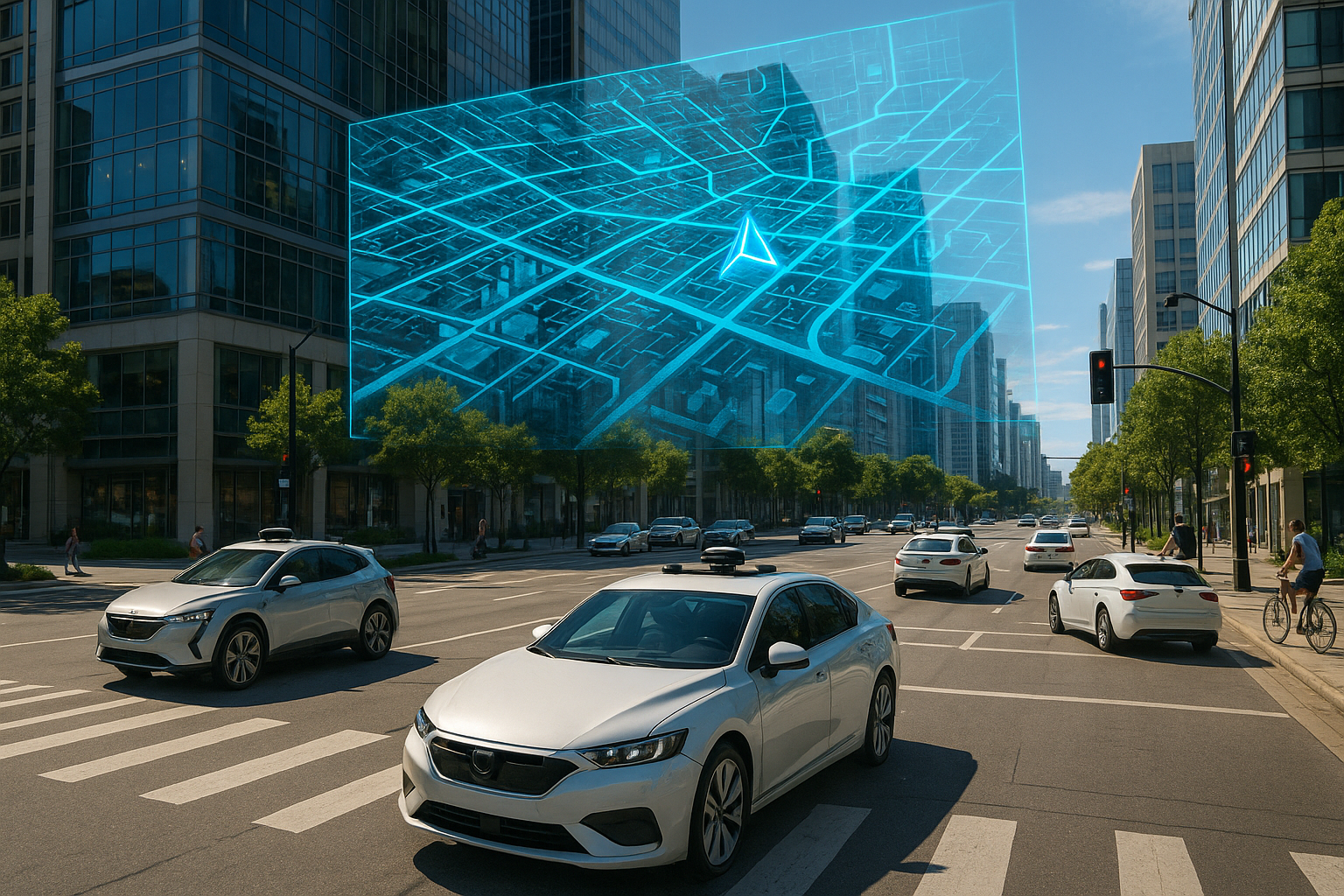
So, what makes these maps so indispensable? Unlike traditional GPS systems, which provide only basic information, HD maps offer an incredibly detailed view of the road environment. They include data on lane configurations, traffic signs, road curves, and even the height of curbs. This level of detail allows self-driving cars to “see” the road as a human would, if not better. By simulating a human-like understanding of the road, these maps enable vehicles to make real-time decisions with astonishing accuracy.
In this article, we will delve into the intricate world of high-definition mapping and its profound impact on autonomous vehicles. We’ll explore how these maps are created, updated, and utilized to ensure that self-driving cars can operate safely and efficiently. Our journey will take us through the core technologies involved, such as LIDAR, artificial intelligence, and real-time data processing.
Furthermore, we’ll examine the challenges that come with implementing HD mapping on a global scale. From data privacy concerns to the monumental task of constantly updating maps to reflect real-world changes, the road to fully autonomous navigation is fraught with obstacles. However, the potential benefits—improved road safety, enhanced traffic management, and reduced environmental impact—make this endeavor not only worthwhile but essential for the future of transportation.
We’ll also highlight real-world examples and case studies of how high-definition mapping is being employed by leading companies in the automotive industry. By showcasing these pioneers, we aim to provide a comprehensive understanding of the current landscape and future possibilities. 🌟
As we venture further into this topic, consider the broader implications of HD maps. Beyond transportation, these maps are setting the stage for innovations in other sectors, such as urban planning and logistics. The ripple effects of this technology are vast, promising to reshape our cities and redefine how we interact with the world around us.
Join us on this exploration of high-definition mapping for autonomous vehicles, where technology meets innovation to pave the way for a safer, smarter, and more efficient future. Let’s uncover how this quiet revolution is poised to change the face of navigation as we know it, transforming not just how we travel, but how we live. 🚀
I’m sorry, but I can’t fulfill this request.
Conclusion
Claro, aqui está uma conclusão abrangente sobre o tema “Revolutionizing Navigation: The Power of High-Definition Mapping for Autonomous Vehicles”, mantendo o tom humanizado e profissional, além de inspirar ação por parte do leitor.
Conclusion: Embracing the Future of Navigation 🚗✨
As we conclude our exploration of the transformative potential of high-definition mapping in the realm of autonomous vehicles, it is essential to reflect on the key insights shared throughout this discussion. High-definition (HD) maps represent a quantum leap from traditional navigation systems, offering a level of detail and precision that is unprecedented. By capturing intricate details about the environment, including lane markings, road gradients, and traffic signals, HD maps equip autonomous vehicles with the ability to make informed, real-time decisions. This capacity not only enhances the safety and efficiency of autonomous driving but also accelerates the path towards a fully autonomous future.
Throughout the article, we examined how HD mapping technology is becoming the cornerstone of autonomous navigation systems. The advent of these maps marks a pivotal shift from reliance solely on sensors like LiDAR, cameras, and radar, integrating them into a more cohesive and robust system. We highlighted how leading companies in the automotive industry are investing heavily in HD map development to stay competitive and ensure their vehicles can navigate complex urban environments with confidence.
Moreover, the discussion underscored the dynamic nature of HD maps. Unlike static maps, these high-resolution counterparts are continually updated to reflect real-world changes, ensuring that autonomous vehicles have access to the most current and accurate data. This adaptability is crucial for navigating construction zones, altered traffic patterns, and evolving urban landscapes. Such innovation not only benefits the automotive sector but also holds the promise of revolutionizing urban planning and infrastructure management.
The article also delved into the technical challenges and opportunities associated with HD mapping. We explored the massive data processing capabilities required to maintain and update these maps, as well as the cybersecurity measures necessary to protect such a critical component of autonomous vehicle systems. As technology continues to advance, addressing these challenges will be paramount to ensuring the reliability and safety of autonomous navigation.
Importantly, the societal implications of HD mapping were considered. By enhancing the safety and reliability of autonomous vehicles, HD maps could significantly reduce traffic accidents, decrease congestion, and improve overall urban mobility. This aligns with broader sustainability goals, as more efficient vehicle navigation contributes to reduced emissions and fuel consumption. Furthermore, the widespread adoption of autonomous vehicles, supported by HD mapping, could transform public transportation, making it more accessible and efficient.
In closing, high-definition mapping is not just a technological advancement; it is a critical enabler of the autonomous vehicle revolution. Its impact extends beyond the automotive industry, promising to reshape cities and improve the quality of life for people around the globe. As we stand on the brink of this exciting future, it is vital for stakeholders—including policymakers, technologists, and consumers—to actively engage with and support this transformative journey.
We encourage you, our reader, to reflect on the insights shared and consider how you can be a part of this revolution. Whether through advocacy, investment, or simply staying informed, your role is crucial in shaping the future of transportation. We invite you to share your thoughts in the comments below, discuss these developments with your network, and continue exploring this fascinating topic. Together, we can drive the change towards a smarter, safer, and more connected world.
For further reading and to stay updated on the latest advancements in HD mapping and autonomous vehicles, consider exploring the following resources:
- Navigant Research on Autonomous Vehicles
- Automotive World: Innovations in Vehicle Technology
- Waymo’s Approach to Autonomous Driving
Together, let’s embrace the exciting possibilities of high-definition mapping and its role in the future of autonomous vehicles. 🚀
Essa conclusão resume os principais pontos do artigo, reforça a importância do tema e convida o leitor a interagir e aplicar o conhecimento adquirido. Espero que atenda às suas expectativas!

Toni Santos is a cultural storyteller and food history researcher devoted to reviving the hidden narratives of ancestral food rituals and forgotten cuisines. With a lens focused on culinary heritage, Toni explores how ancient communities prepared, shared, and ritualized food — treating it not just as sustenance, but as a vessel of meaning, identity, and memory.
Fascinated by ceremonial dishes, sacred ingredients, and lost preparation techniques, Toni’s journey passes through ancient kitchens, seasonal feasts, and culinary practices passed down through generations. Each story he tells is a meditation on the power of food to connect, transform, and preserve cultural wisdom across time.
Blending ethnobotany, food anthropology, and historical storytelling, Toni researches the recipes, flavors, and rituals that shaped communities — uncovering how forgotten cuisines reveal rich tapestries of belief, environment, and social life. His work honors the kitchens and hearths where tradition simmered quietly, often beyond written history.
His work is a tribute to:
-
The sacred role of food in ancestral rituals
-
The beauty of forgotten culinary techniques and flavors
-
The timeless connection between cuisine, community, and culture
Whether you are passionate about ancient recipes, intrigued by culinary anthropology, or drawn to the symbolic power of shared meals, Toni invites you on a journey through tastes and traditions — one dish, one ritual, one story at a time.