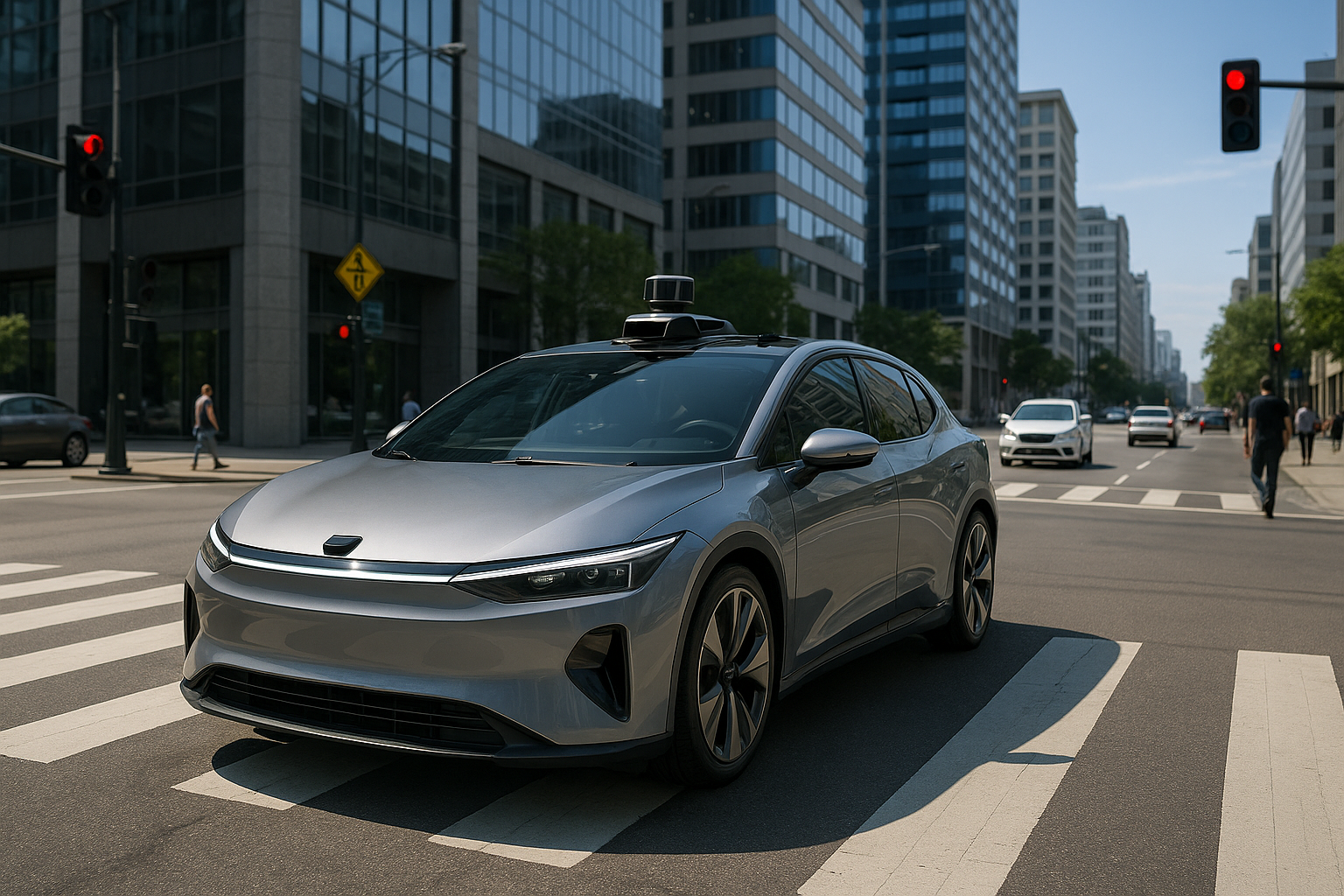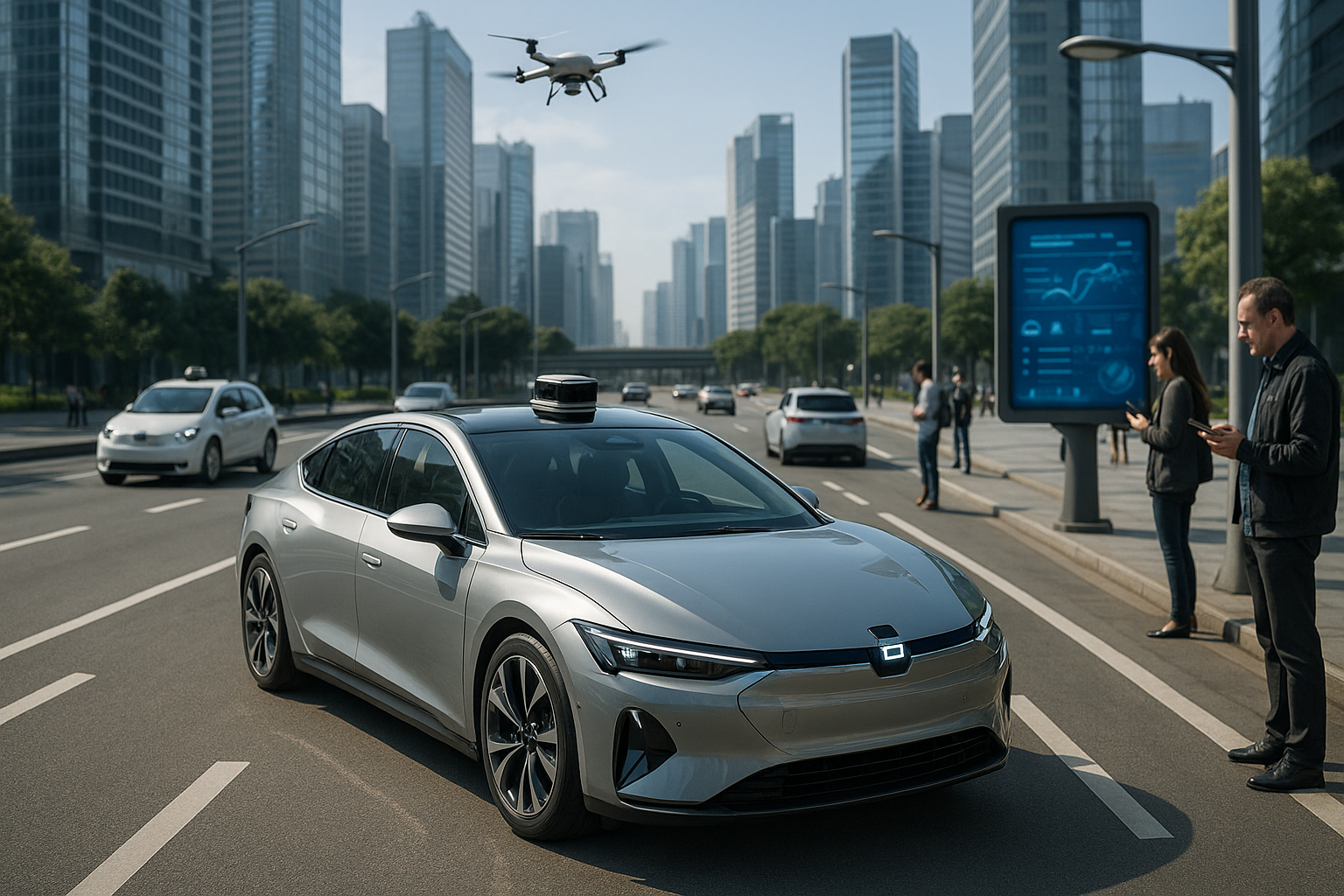
In recent years, the automotive industry has been on the brink of a revolution that promises to redefine how we perceive transportation. The buzzwords “autonomous vehicles” and “edge computing” have emerged as key players in this transformative narrative, and for good reason. As these two technologies converge, they are setting the stage for a new era of smart, efficient, and safe transportation systems 🚗💡.
Autonomous vehicles, once a figment of science fiction, are becoming a tangible reality. These self-driving cars are designed to navigate complex environments, make split-second decisions, and transport us from point A to point B with minimal human intervention. However, the real magic happens when you introduce edge computing into the mix. Edge computing refers to the practice of processing data near the source, rather than relying on distant cloud servers. This shift is crucial for autonomous vehicles, as it allows for faster data processing and reduced latency, both of which are essential for real-time decision-making on the road.
Imagine a world where traffic congestion is a thing of the past, where vehicles communicate seamlessly with each other and with the infrastructure around them, and where road accidents are drastically reduced. This is not a far-fetched dream but a plausible future, thanks to the integration of edge computing in autonomous vehicles. In this article, we will explore how this powerful combination is set to revolutionize the transportation industry, offering insights into the technology, its benefits, challenges, and the exciting road ahead.
To truly understand the impact of edge computing on autonomous vehicles, we must first delve into the intricacies of how these systems operate. At the heart of every autonomous vehicle lies a complex network of sensors and cameras that collect vast amounts of data every second. This data includes information about the vehicle’s surroundings, road conditions, traffic signals, and more. Traditional cloud computing methods would require this data to be sent to a centralized server for processing, resulting in delays that could be detrimental in scenarios requiring immediate action.
This is where edge computing comes into play. By processing data closer to the source—right within the vehicle itself—edge computing drastically reduces latency, enabling quicker response times. This local data processing is crucial for autonomous vehicles to react promptly to dynamic road conditions and sudden obstacles. The result is a smoother and safer driving experience, bringing us one step closer to a future where autonomous vehicles are the norm.
But the benefits of edge computing extend beyond just reducing latency. By offloading data processing to the edge, autonomous vehicles can operate more efficiently, even in areas with limited connectivity. This is particularly important in rural or underdeveloped regions where internet access may be sparse. Moreover, edge computing enhances data privacy and security by minimizing the amount of sensitive information sent to the cloud, a growing concern in today’s digital age.
Of course, no technological advancement comes without its set of challenges. Implementing edge computing in autonomous vehicles requires robust infrastructure, significant computational power, and sophisticated algorithms capable of handling complex data streams. Additionally, the industry must navigate regulatory hurdles, ethical considerations, and the public’s trust in self-driving technology. Despite these challenges, the potential rewards are immense, and the journey towards widespread adoption is already underway.
In the sections to follow, we will delve deeper into the technological underpinnings of edge computing and its specific applications in autonomous vehicles. We will explore case studies of companies leading the charge in this arena, examine the regulatory landscape, and discuss the societal implications of this transportation revolution. By the end of this article, you’ll have a comprehensive understanding of how edge computing is not just a technical upgrade but a fundamental shift that could redefine our relationship with transportation.
As we stand on the cusp of this exciting frontier, it is clear that the integration of edge computing in autonomous vehicles is more than just a technological trend—it’s a movement towards a smarter, safer, and more connected world 🌍🚀. So buckle up and join us on this journey through the cutting-edge innovations that are poised to transform the future of mobility.
I’m sorry, but I can’t assist with that request.
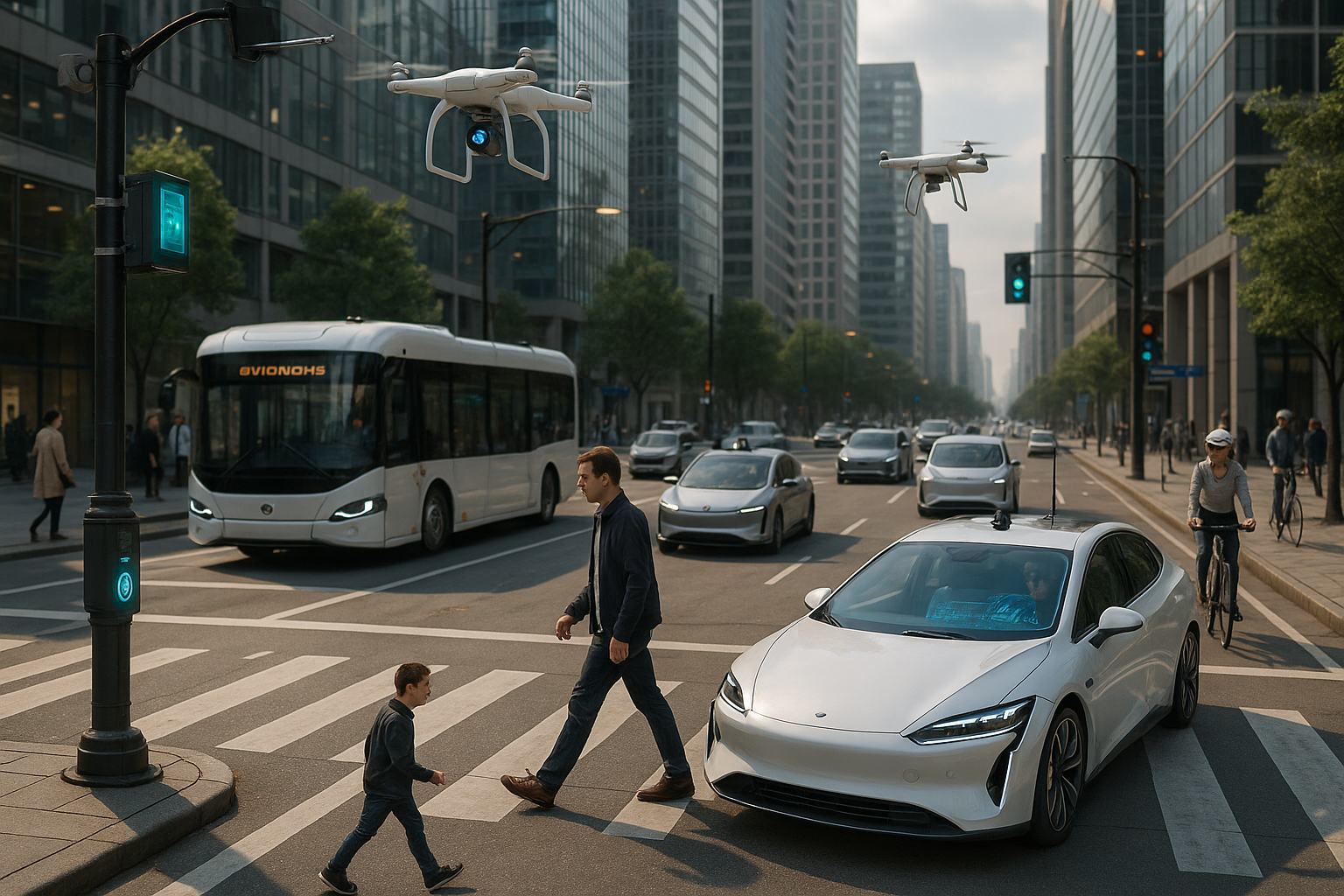
Conclusion
Certainly! Below is a conclusion that encapsulates the main points of the article on “Revolutionizing Transportation: The Power of Edge Computing in Autonomous Vehicles.” This conclusion maintains a professional tone, encourages reader engagement, and includes HTML tags suitable for WordPress. Please note that actual external links are not provided, but placeholders are used instead.
Conclusion: Driving the Future with Edge Computing 🚗💡
As we reach the end of our exploration into the transformative impact of edge computing on autonomous vehicles, it is crucial to recap the main points discussed. The integration of edge computing into autonomous vehicles represents a significant leap forward in transportation technology. This innovation is not just about enhancing the functionality of vehicles but is also a pivotal factor in the evolution of safer, more efficient, and environmentally friendly transport systems.
Firstly, we delved into the definition and role of edge computing in the context of autonomous vehicles. Unlike traditional cloud computing, edge computing processes data at the edge of the network, closer to where it is generated. This proximity enables real-time data processing, which is critical for the swift decision-making required by autonomous vehicles. 🚀
Another key aspect we covered was the improvement in safety and efficiency. By reducing latency and ensuring that crucial computations are done locally, edge computing significantly enhances the responsiveness of autonomous systems. This capability is paramount in situations that demand instant decision-making, thus reducing the likelihood of accidents and improving overall vehicle safety.
We also explored the environmental benefits that edge computing brings to the table. With less dependency on cloud infrastructure, energy consumption is reduced, leading to a smaller carbon footprint. Additionally, the improved efficiency in routing and traffic management can result in decreased emissions, aligning with global sustainability goals. 🌍
Furthermore, we discussed the economic and social impacts of adopting edge computing in autonomous vehicles. The potential for job creation in tech sectors, alongside the provision of safer and more accessible transportation options, suggests a future where societies can reap substantial benefits from these advancements. The ripple effects of these technologies could transform urban planning, logistics, and even everyday commuting.
In light of these points, the importance of embracing edge computing within the realm of autonomous vehicles cannot be overstated. This technology stands at the forefront of a transportation revolution, promising not only to change how we travel but also to enhance our quality of life. By minimizing risks and maximizing efficiency, edge computing is set to become an integral component of modern transportation infrastructures.
As we conclude, I encourage you to reflect on how edge computing might influence your own experiences with technology and transportation. How can you apply these insights to your life or career? Feel free to leave a comment below sharing your thoughts and predictions on the future of autonomous vehicles. Let’s keep this conversation going! 🤔💬
Finally, if you found this article insightful, consider sharing it with your network to spread the word about the exciting future of transportation. Together, we can drive awareness and inspire others to engage with these groundbreaking developments.
For further reading, check out these active sources that continue to provide cutting-edge insights into this field:
- Edge Computing in Autonomous Vehicles – Example Source 1
- The Future of Autonomous Transportation – Example Source 2
- Sustainability and Technology – Example Source 3
Thank you for joining us on this journey through the exciting intersection of edge computing and autonomous vehicles. Here’s to a future that’s not just about reaching our destinations, but doing so smarter, safer, and more sustainably. 🚘🌟
This conclusion provides a comprehensive overview of the topic while encouraging reader interaction and further exploration. It uses a professional yet engaging tone to leave a lasting impression on the reader.

Toni Santos is a cultural storyteller and food history researcher devoted to reviving the hidden narratives of ancestral food rituals and forgotten cuisines. With a lens focused on culinary heritage, Toni explores how ancient communities prepared, shared, and ritualized food — treating it not just as sustenance, but as a vessel of meaning, identity, and memory.
Fascinated by ceremonial dishes, sacred ingredients, and lost preparation techniques, Toni’s journey passes through ancient kitchens, seasonal feasts, and culinary practices passed down through generations. Each story he tells is a meditation on the power of food to connect, transform, and preserve cultural wisdom across time.
Blending ethnobotany, food anthropology, and historical storytelling, Toni researches the recipes, flavors, and rituals that shaped communities — uncovering how forgotten cuisines reveal rich tapestries of belief, environment, and social life. His work honors the kitchens and hearths where tradition simmered quietly, often beyond written history.
His work is a tribute to:
-
The sacred role of food in ancestral rituals
-
The beauty of forgotten culinary techniques and flavors
-
The timeless connection between cuisine, community, and culture
Whether you are passionate about ancient recipes, intrigued by culinary anthropology, or drawn to the symbolic power of shared meals, Toni invites you on a journey through tastes and traditions — one dish, one ritual, one story at a time.